Ecosystems protecting infrastructure and communities
Ecosystems Protecting Infrastructure and Communities (EPIC) is the first global initiative to promote the use of ecosystem-based approaches and protect communities from disasters and the negative impacts of climate change.
Description
IUCN’s mission is to influence, encourage and assist societies throughout the world to conserve the integrity and diversity of nature and to ensure that any use of natural resources is equitable and ecologically sustainable.
IUCN is uniquely positioned to tackle the multi-dimensional issues behind disaster risks and works to prove the value of nature-based solutions to reduce them. Its work integrates ecosystem management, livelihoods, community vulnerability, climate change adaptation and disaster management.
Ecosystems Protecting Infrastructure and Communities (EPIC) is a global initiative to promote the use of ecosystem-based approaches and protect communities from disasters and the negative impacts of climate change. It also aimed to have ecosystem-based disaster risk reduction recognised in key global frameworks such as the Convention on Biological Diversity (CBD) and the United Nations Framework Convention on Climate Change (UNFCCC). The project demonstrated the need to invest in ecosystem-based disaster risk reduction, to have more effective climate change adaptation in the targeted sites.
The retained strategy combines 1) the generation of science-based knowledge, 2) implementation of ecosystem-based measures and 3) policy advocacy. Through the proposed science-policy-implementation approach the project 1) conducted vulnerability and capacity assessments in each target country, 2) provided capacity development and awareness-raising on Eco-DRR for local communities and decision makers, 3) implemented locally adapted ecosystem-based measures in selected locations, and 4) produced policy briefs and Eco-DRR approaches were mainstreamed in local and national policies and regulations.
Did the Sendai Framework change or contribute to changes in your activities/organization? If so, how?
In the past few years, there have been major policy advances that facilitated the uptake of integrated approaches for conservation, DRR, climate change adaptation (CCA) and mitigation. A key milestone for the disaster risk reduction field was the adoption of the Sendai Framework for Disaster Risk Reduction 2015-2030. The Sendai framework places a stronger emphasis on the importance of ecosystems and therefore helped to gain recognition and scale-up our activities on ecosystem-based approaches for disaster risk reduction.
What led you to make this commitment/initiative?
What was your position before making this Voluntary Commitment / prior to the Sendai Framework?
IUCN has a global presence and particular expertise in areas highly relevant to the disaster risk reduction such as: forest, watershed, marine and coastal management, environmental governance and human rights. The challenge for IUCN is now to build partnerships and provide nature-based solutions for disaster risk reduction (based on scientific evidence and socio-economic analysis) to build resilience to the impacts of climate change and reduce the frequency and severity of disasters. This commitment is a way for IUCN to reaffirm its engagement toward DRR and implementation of the Sendai Framework and to raise awareness on Eco-DRR approaches.
Deliverables and Progress report
Deliverables
Deliverables are the end-products of the initiative/commitment, which can include issuance of publications or knowledge products, outcomes of workshops, training programs, videos, links, photographs, etc.
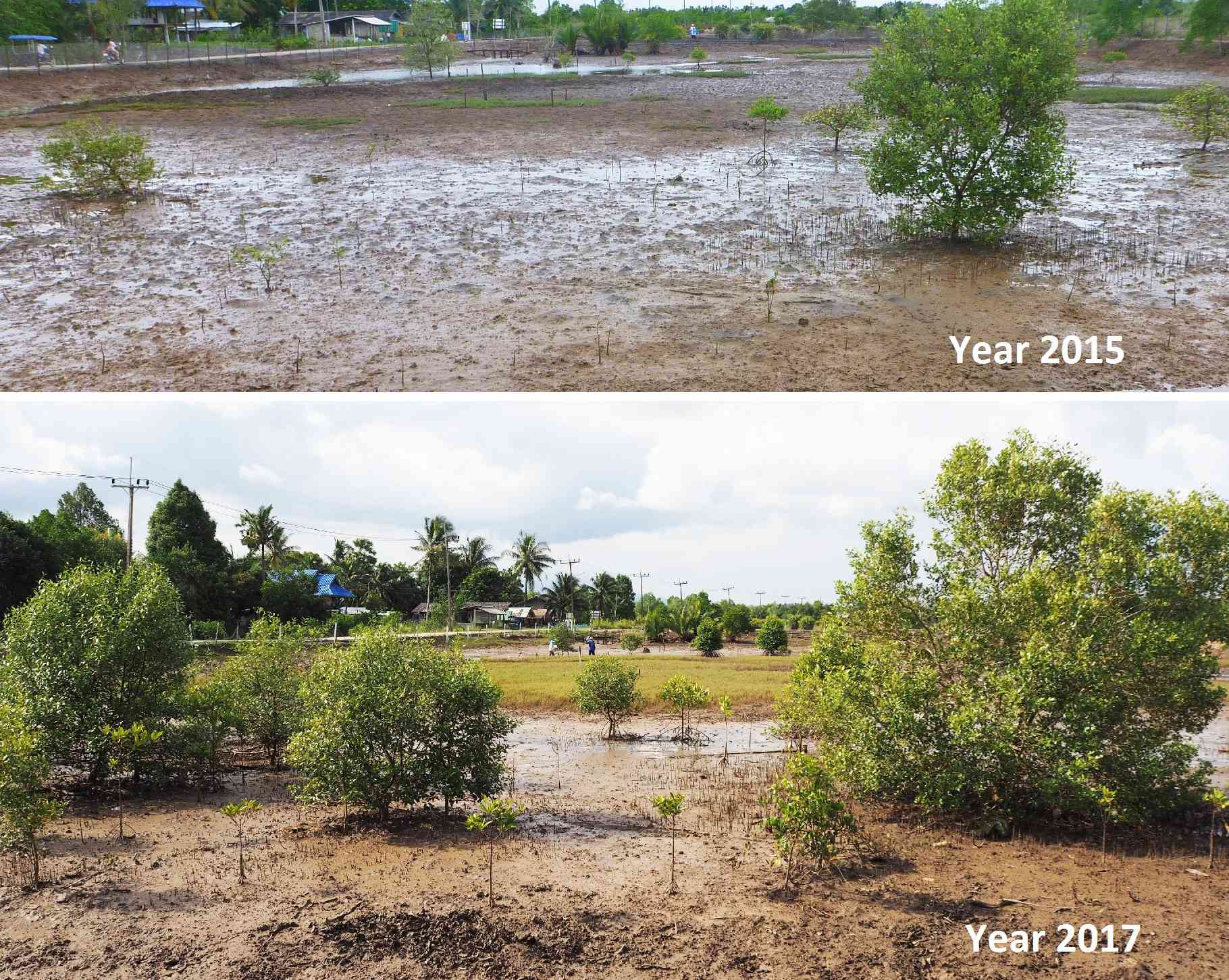
This pioneer global initiative - Ecosystems Protecting Infrastructure and Communities (EPIC) - promoted the implementation of ecosystem-based approaches for disaster risk reduction and climate change adaptation through five case studies in six countries. This publication provides a detailed description of the project’s operational approach and draws lessons from the case studies to inform and guide best practices to implement integrated ecosystem-based disaster risk reduction (Eco-DRR) and ecosystem-based adaptation (EbA).
Porgress report
The over-arching project goal of EPIC is that ‘ecosystem services are recognised, promoted
and conserved as an integral part of disaster risk reduction policy, planning and
programming in the six target countries and in key global processes such as the implementation of the Sendai Framework for DRR (Hyogo Framework for Action before 2015), and the United Nations Framework Convention on Climate Change (IUCN, 2012). It is concluded that the single most valuable contribution of the EPIC project has been the creation of awareness about ecosystem-based fro disaster risk reduction (Eco-DRR)— both among communities and government officers
— in the countries in which it was implemented. In this way, it brought together and worked
with a diverse range of stakeholders. The benefits of ecosystem restoration compared to
grey infrastructure for disaster risk reduction can only be assessed a posteori, after an
extreme weather event.
• Output 1: One common research and learning framework developed, and five case
studies covering the target countries established and implemented.
• Output 2: Tailored policy messages for seven countries and two international
organizations, and one capacity building package developed.
• Output 3: Seven multi-stakeholder dialogue (MSD) platforms, comprised of
government, NGOs, civil society established in target countries, that use and
promote nationally, and provide input into the findings of the project (IUCN, 2012).
It is laudable that given its short duration, in general EPIC has been so successful in its
policy advocacy.
Organizations and focal points
Implementing Organization(s)
Focal points