This commitment strengthens climate and disaster resilience in Guidimakha, Mauritania through community-led Nature-based Solutions (NbS) and eco-DRR, addressing floods, drought, heatwaves and wildfires, with a replication and learning window for Nouakchott’s coastal/littoral resilience (2026–2028).
We are a working group under the International Organization for Standardization’s ISO TC 268 SC1 Smart Community Infrastructure. Our working group focuses on the standardization of smart community infrastructure which could strengthen community resiliency against potential disasters.
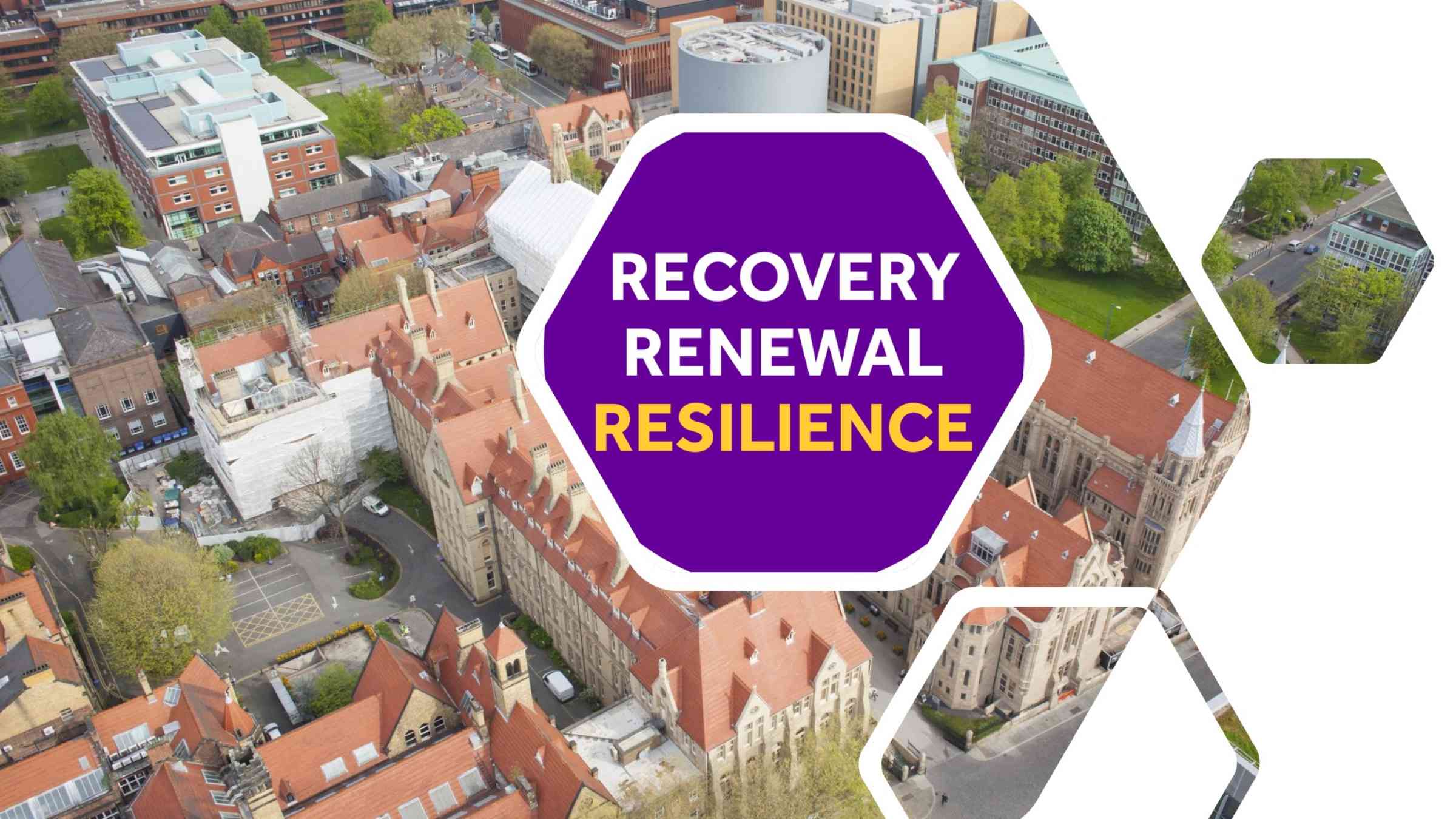
To sustain the National Consortium for Societal Resilience (UK+) to enhance the UK+ approach to societal resilience, so that individuals, community groups, businesses, and organisations can all play a meaningful part in building the resilience of our society
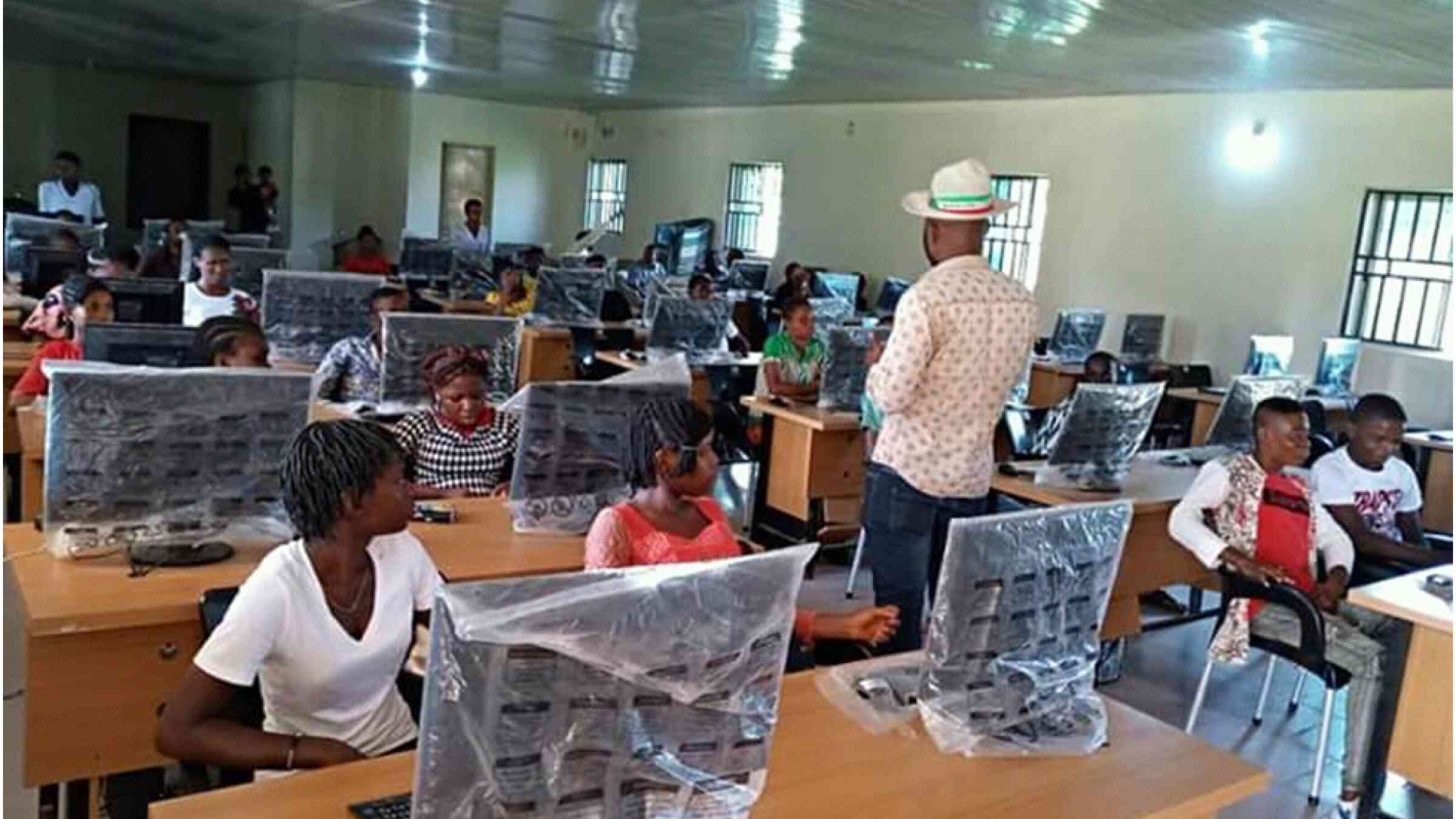
Tech Talent Hunt Initiative works to increase Disaster Preparedness of ten (10) vulnerable communities and create resilient recovery pathways for 750 displaced persons in North West Nigeria.
When disasters hit, animals also experience terrible effects as people do. This commitment aims at increasing the protection of animals exposed to disasters by, for example, providing online training on animal rescue and disaster management.
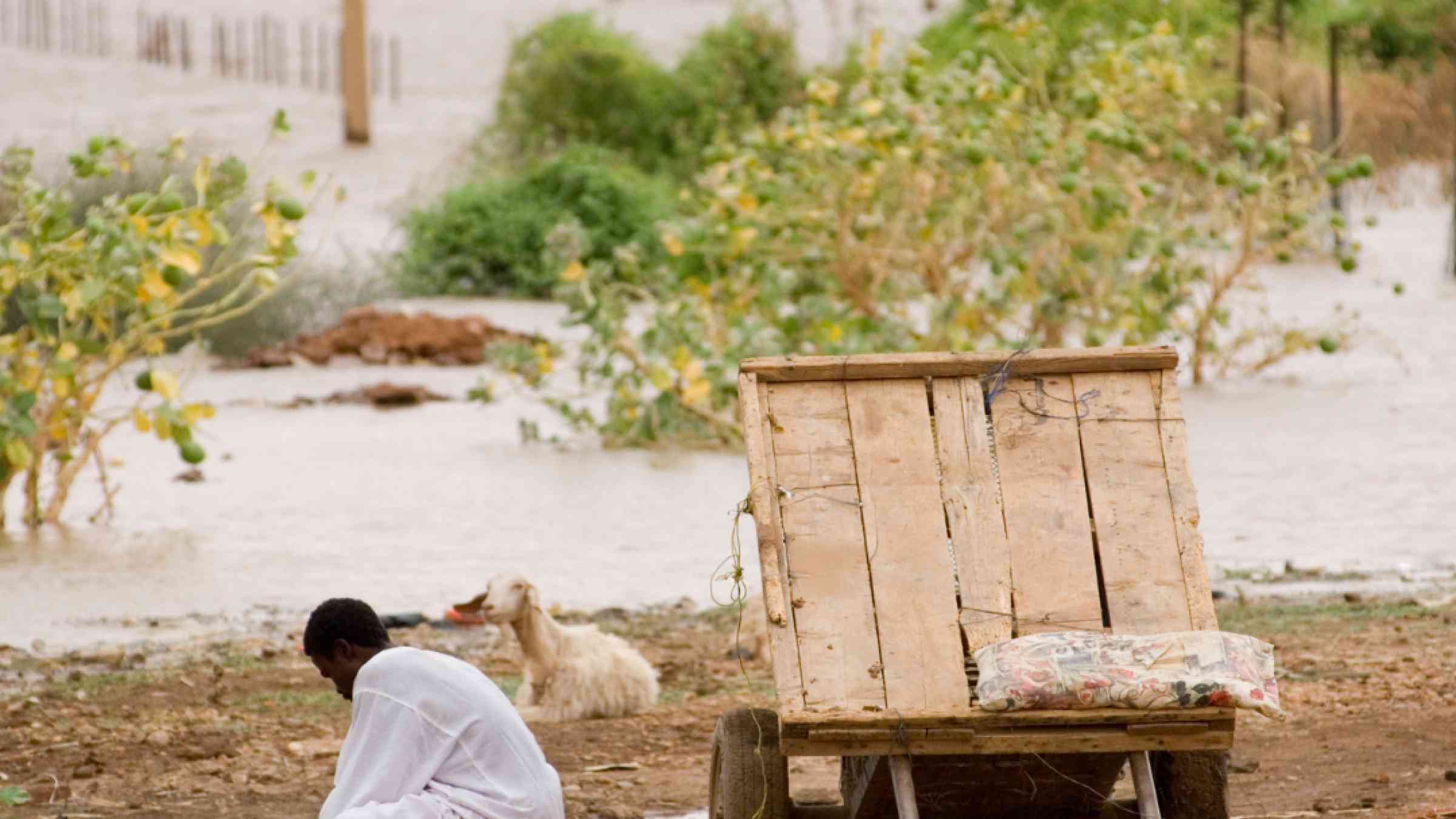
Local to Global Protection (L2GP) works for meaningful change in the humanitarian system by supporting, documenting and promoting local perspectives and responses to major humanitarian crises.
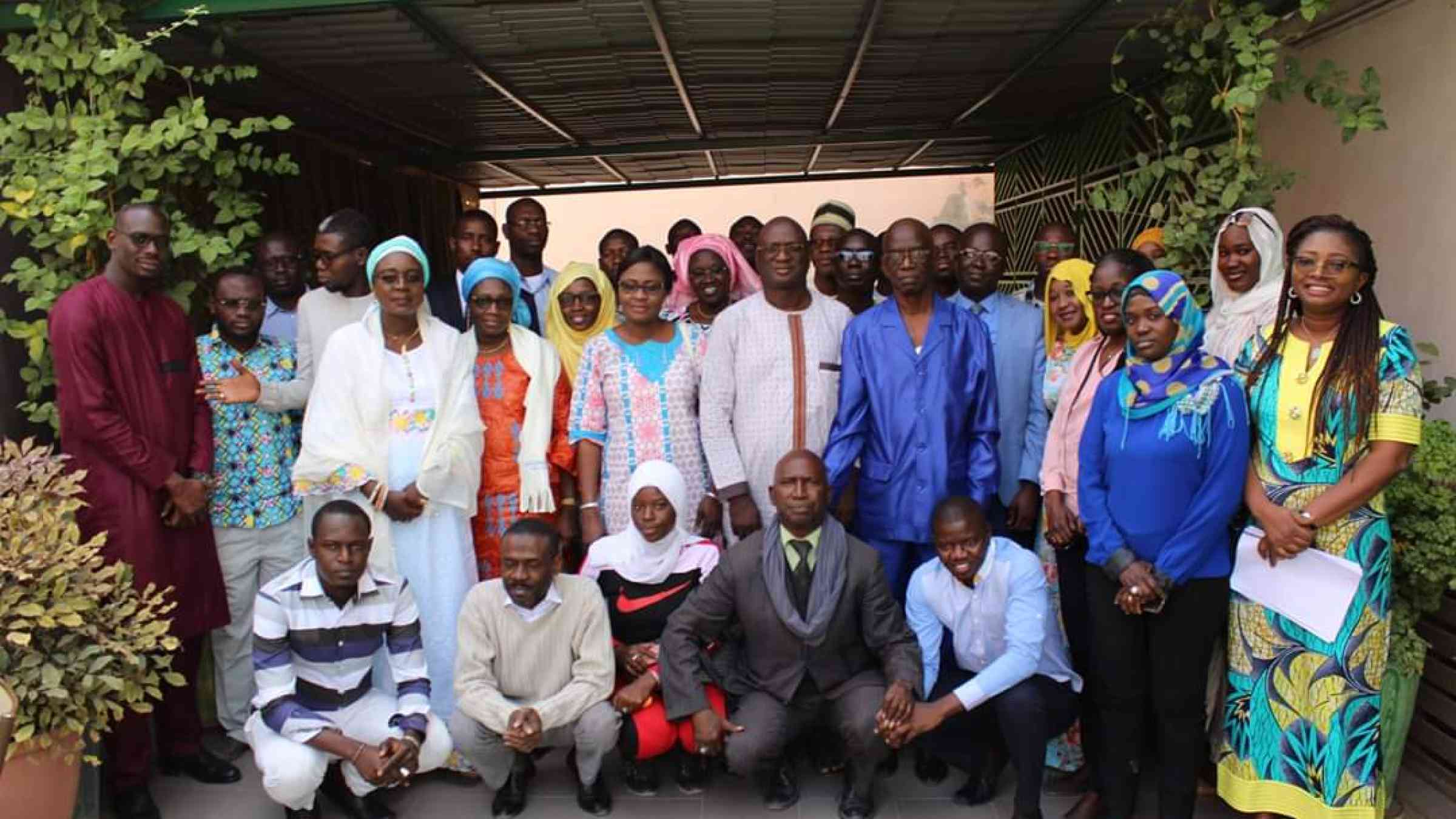
A platform of stakeholders working on resilience in Senegal has been set up. The objective of the Agora 30 of Resilience is to promote the synergy of initiatives for building resilience to climate extremes and other disasters.
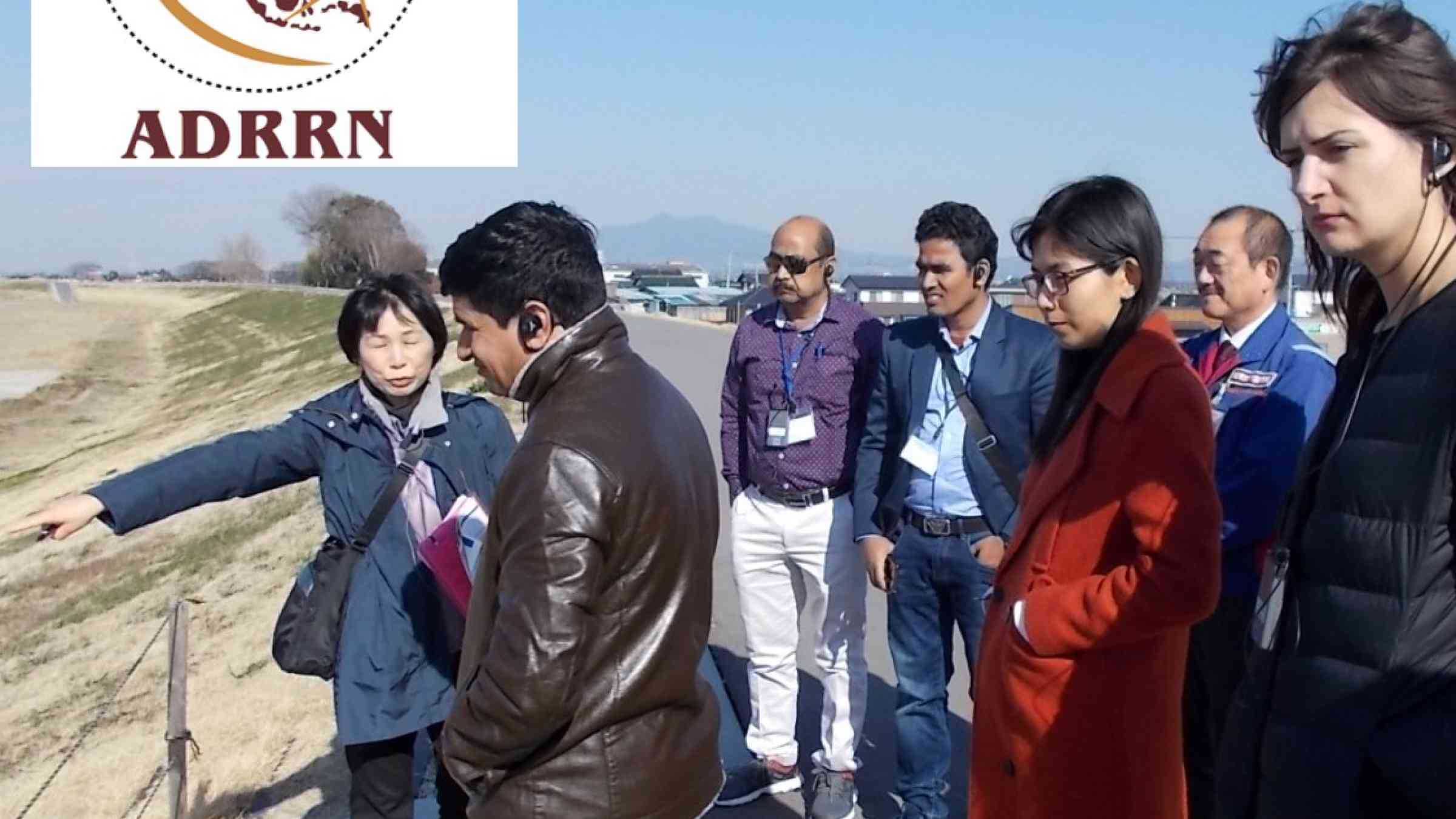
ADRRN is committed to promote coordination, information sharing and collaboration among Civil Society Organizations (CSOs) and other stakeholders for effective and efficient disaster reduction and response in the Asia-Pacific region.