My account
Menu
Your experience on PreventionWeb

Please help us improve PreventionWeb by taking this brief survey. Your input will allow us to better serve the needs of the DRR community.

See the survey

Published on
3 February 2023
Status
Completed

Capacity building to reduce animal vulnerability for animal owners and governments

Expected duration
Sep 2015 - Dec 2020
SFVC commitment ID
20200916_001
Version
2.0
Author
delete delete
Upload your content

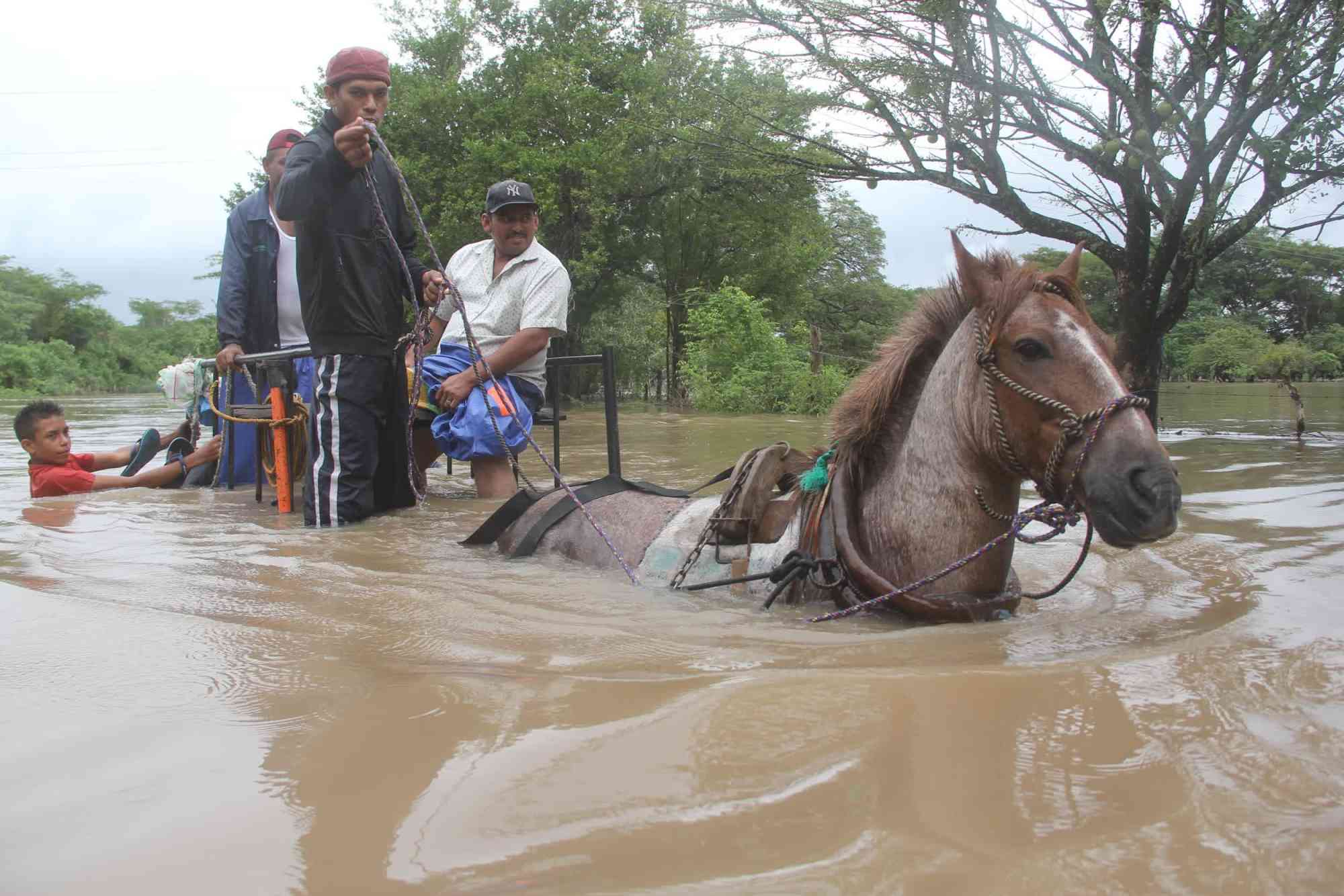
When disasters hit, animals also experience terrible effects as people do. This commitment aims at increasing the protection of animals exposed to disasters by, for example, providing online training on animal rescue and disaster management.

    Description

    World Animal Protection works with animals in communities, in the wild, across farming industries, and in disaster zones to bring a voice for animals and act against cruelty and suffering. Part of our work is protecting animals affected by disasters.

    Disasters kill and injure millions of animals each year. When animals die during disasters, it can have a devastating effect on the people who rely on them for companionship and economic activities. Many poor people around the world depend on animals for food, transport, and livelihoods. For more than 50 years, at the international and national levels, our organization campaigns for animal inclusive disaster risk reduction strategies and policies, deploys resources to disaster zones to assist animals and owners, and executes capacity building. This commitment, in particular, aims at expanding the availability of training trough an online course, PrepVet.

    As a result, we expect to raise awareness and increase the number of trained veterinarians, animal owners, local government officials, and other actors that are in charge or related to animal health.

    Did the Sendai Framework change or contribute to changes in your activities/organization? If so, how?

    It provided guidance and focus to countries to include farm and working animals as assets worth protecting from disasters to protect livelihoods. For example, Priority 3 (invest in disaster risk reduction for resilience) includes paragraphs 30 (p) and 31 (f) calling for strengthening the protection of livelihoods and productive assets including livestock and working animals.

    What led you to make this commitment/initiative?

    What was your position before making this Voluntary Commitment / prior to the Sendai Framework?

    The same but more diffuse as there was no global leadership as it is now with the Sendai Framework.

    Deliverables and Progress report

    Deliverables

    Deliverables are the end-products of the initiative/commitment, which can include issuance of publications or knowledge products, outcomes of workshops, training programs, videos, links, photographs, etc.

    Online course PrepVet®
    Intended date of delivery
    1 December 2020

    Online course on DRR and risk/disaster management for animals, approx. 2 month duration.

    File
    PrepVet Course Contents Summary (419.35 KB)

    Porgress report

    Progress date
    1 February 2023
    Summary

    World Animal Protection (formerly known as WSPA) designed, implemented and presented an online course in three languages (Spanish, English, Portuguese) called PREPVET, for animal sciences students to veterinary faculties in Australia, India, Thailand, Kenya, Brazil, Mexico and Central America (Costa Rica, Guatemala, Nicaragua & Panama). The PREPVET was presented at different regional fora in Oceania, India, Africa and Latin America.

    The PREPVET was built on the back of our training experience with the concept of VERU (Veterinary Emergency Response Units) teams in three continents. The VERU concept was originated in Costa Rica approx. 20 years ago together with the National University of Costa Rica, and it is still very much alive in India and Kenya.

    Achievements at a glance

    The global program accounted for 8 million animals actively helped through rescue and relief efforts during emergencies around the world, and nearly 400 million supported by proxy efforts in the advocacy field of public policies adopted by countries, in accordance to the Sendai Framework indicators focusing on the protection of farm and working animals, for the protection of the livelihoods of their owners, food security, etc.

    Organizations and focal points

    Implementing Organization(s)

    • World Animal Protection

    Focal points

    Main focal point
    delete delete (World Animal Protection)

    Explore further

    Sendai priorities
    Priority 1Understanding disaster risk
    Priority 3Investing in disaster risk reduction for resilience
    Sendai targets and indicators
    C-2Direct agricultural loss attributed to disasters
    C-3Direct economic loss to all other damaged or destroyed productive assets attributed to disasters
    Hazards Cyclone, Hurricane and Typhoon Drought and Desertification Earthquake Flood Landslide Storm surge Technological hazard Tsunami Volcano Wildfire
    Themes Capacity development Civil Society/NGOs Critical infrastructure Preparedness Early warning Financing DRR Food security and agriculture Private sector Risk identification and assessment Social impacts and social resilience
    Sustainable Development Goals SDG1: No poverty SDG2: Zero hunger SDG11: Sustainable cities and communities
    Budget scale
    USD 50,000 to < 100,000
    Scope
    Global
    Scale of beneficiaries
    5,000 to < 10,000
    Secured budget size
    30%
    X (Twitter)
    https://twitter.com/MovemosalMundo
    Videos
    Related links
    PrepVet online course for veterinarians
    Book

    Is this page useful?

    Yes No
    Report an issue on this page

    Thank you. If you have 2 minutes, we would benefit from additional feedback (link opens in a new window).

    PreventionWeb is the global knowledge sharing platform for disaster risk reduction (DRR) and resilience.

    • Newsletter
    • Submit your content
    • Blog pitches
    • Submission and publishing policy
    • About PreventionWeb
    • Contact us

    Hazards

    • Avalanche
    • Cold Wave
    • Cyclone, Hurricane and Typhoon
    • Drought and Desertification
    • Earthquake
    • Epidemic and pandemic
    • Flood
    • Heatwave, extreme heat and heat stress
    • Insect infestation
    • Land subsidence
    • Landslide
    • Nuclear, biological, chemical (NBC)
    • Sea level rise
    • Technological hazard
    • Thunderstorm
    • Tornado
    • Tsunami
    • Volcano
    • Wildfire

    Regions

    • Africa
    • Americas
    • Asia
    • Europe
    • Oceania

    Themes

    Understanding & managing risk

    • Preparedness
    • Early warning
    • GIS and mapping
    • Data and information management
    • Risk identification and assessment
    • Small Island Developing States
    • Earth Observation

    Natural environment

    • Climate change
    • Environment and ecosystems
    • Food security and agriculture
    • Water

    Cross-cutting

    • Systemic risk
    • Recovery

    Human development

    • Capacity development
    • Children and youth
    • Civil society / NGOs
    • Community-based DRR
    • Cultural heritage
    • Gender
    • Human mobility
    • Inclusion
    • Social impacts and resilience

    Science, knowledge & advocacy

    • Disaster risk communication
    • Traditional and Indigenous knowledges
    • Science-policy-practice interface

    State, governance & economy

    • Financing DRR
    • Fragility and conflict
    • Governance
    • Insurance and risk transfer
    • Private sector

    Infrastructure & critical services

    • Critical infrastructure
    • Education and school safety
    • Health and health facilities
    • Structural safety
    • Urban risk and planning
    Loading