Why wildfire risk is growing
Across the world, wildfires are occurring with greater intensity. This trend is driven by a combination of factors, including climate change, land-use change, urbanization, and long-standing fire management practices. Wildfires have become one of the most visible and devastating signs of an era defined by a changing climate. Their variability is also increasing, as regions with historically low fire risk become more exposed and fire seasons continue to lengthen.
Climate change is increasing wildfire risk by warming the planet and drying vegetation, while extreme heat and drought are extending fire seasons and contributing to more intense “mega fires.” Human activities further compound these risks. Urban expansion is increasing the wildland–urban interface, placing communities closer to fire-prone landscapes. In some regions, changes in land use and the abandonment of rural land have altered fuel patterns, increasing the amount of vegetation available to burn.
The latest on wildfires


What are the impacts of wildfires?
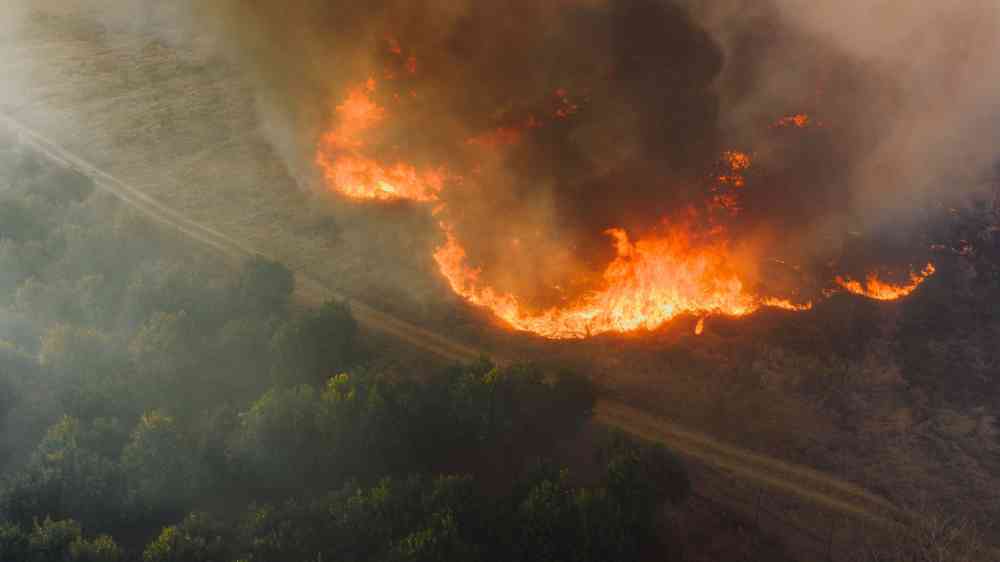
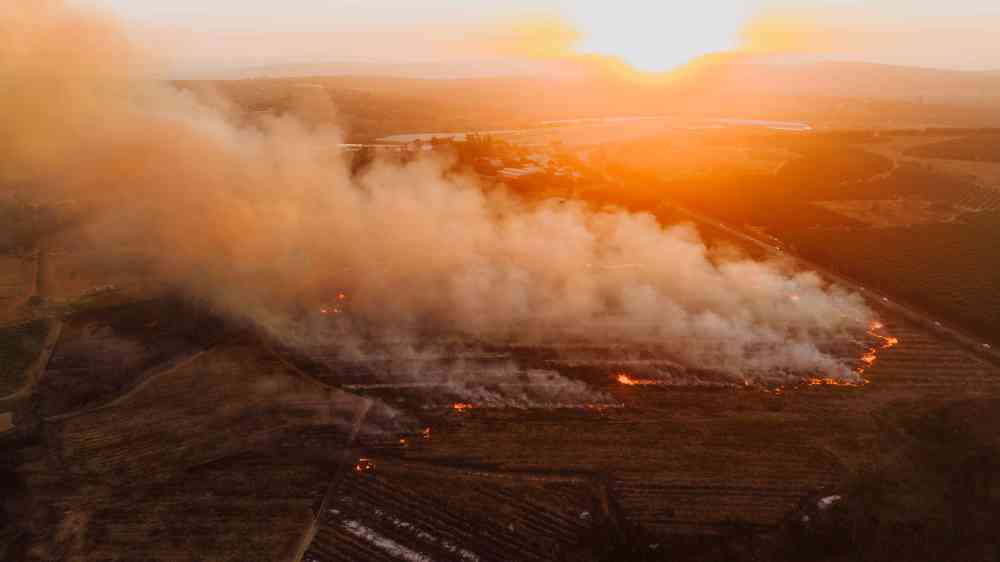
Wildfires have wide-ranging impacts that go far beyond the immediate burning of land. They can cause loss of life, destroy homes and infrastructure, and force large-scale evacuations that disrupt communities for days or months. Smoke from wildfires can travel thousands of kilometres, degrading air quality and triggering serious respiratory and cardiovascular health problems, especially for vulnerable groups. Environmentally, fires can lead to habitat loss, soil degradation, and increased risk of erosion and flooding after the flames are out. Economically, they strain emergency services, damage livelihoods (particularly in forestry, agriculture, and tourism), and require costly recovery and rebuilding efforts. Read an overview of wildfire spillovers.
Public health
Wildfires affect public health through smoke exposure, respiratory illness and strain on health systems, particularly for vulnerable populations.
Infrastructure and critical services
Wildfires can damage infrastructure and disrupt essential services, including power, water supply, telecommunications and emergency response systems.
Evacuation and displacement
Wildfires can force people to leave their homes with little notice, leading to both short-term evacuations and longer-term displacement.
Education
Wildfires can disrupt education systems by damaging schools, interrupting learning and affecting the wellbeing of students, teachers and communities.
Food security and agriculture
Wildfires can have significant impacts on food security and agriculture by damaging crops, livestock, forests and agricultural infrastructure.
Water
Wildfires can affect water resources by damaging watersheds, degrading water quality and disrupting water supply systems.

Enlarge image >
Building wildfire resilience
Researchers are testing fire-resilient, low-carbon building materials such as engineered earth blocks that can withstand wildfires while reducing smoke emissions and improving housing resilience.
High-moisture fruit crops may become a firefighter’s strongest ally, as planting buffers of banana crops in wildland-urban interfaces can significantly slow the advance of wildfires.
Work to reduce excess flammable vegetation in forests warded off the release of 2.7 million tons of carbon dioxide, averted nearly 60 premature deaths and avoided $2.8 billion in damages in the Western U.S.
Early warning
Timely detection and early warning systems are critical for reducing wildfire impacts, enabling preparedness, evacuation and coordinated response.
Artificial intelligence
AI is creating new opportunities to better understand, predict and manage wildfire risks.
Ecosystem-based approaches
Ecosystem-based approaches reduce wildfire risk by protecting, restoring and managing landscapes in ways that strengthen their natural resilience to fire.
Resilient development
Wildfire mitigation and resilient building practices can reduce the exposure and vulnerability of communities, homes and critical infrastructure to wildfire impacts.
Risk communication
Effective risk communication is essential for helping people understand wildfire threats, make informed decisions and take timely action before, during and after a fire.
Managing wildfire smoke
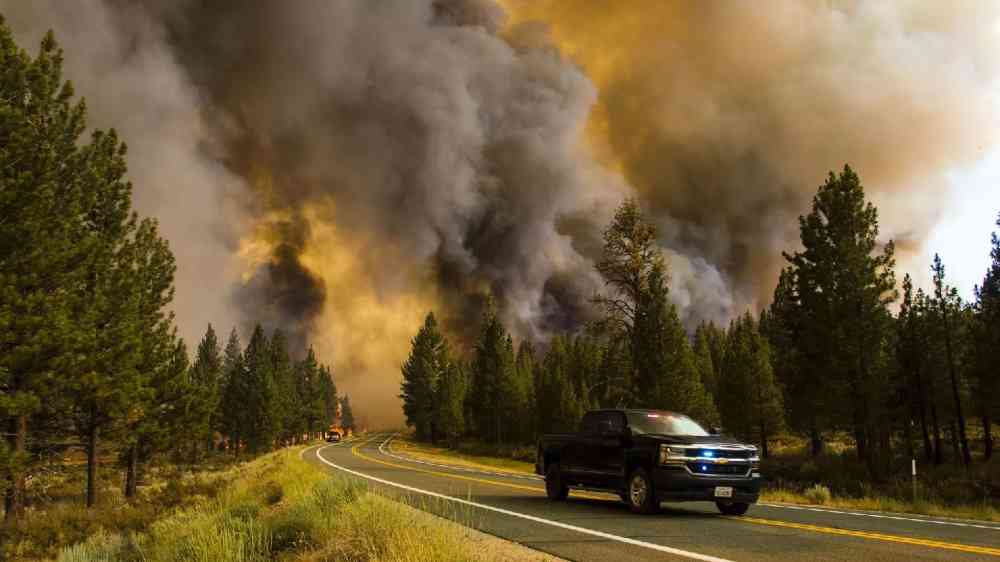
Smoke can travel thousands of kilometres, exposing communities to hazardous air pollution, disrupting livelihoods, and placing significant strain on health systems.



Videos
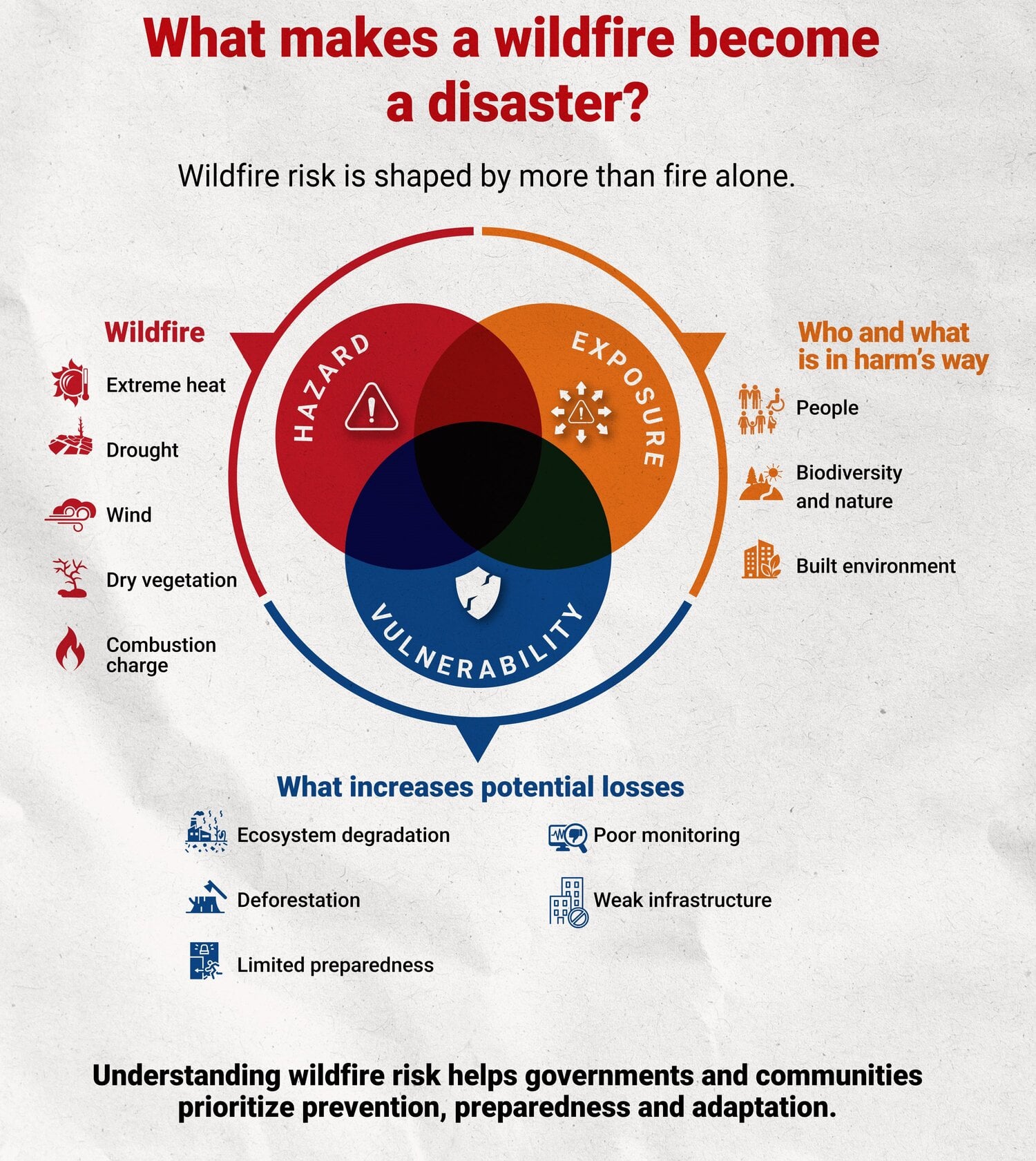
What makes a wildfire become a disaster?
Enlarge image >
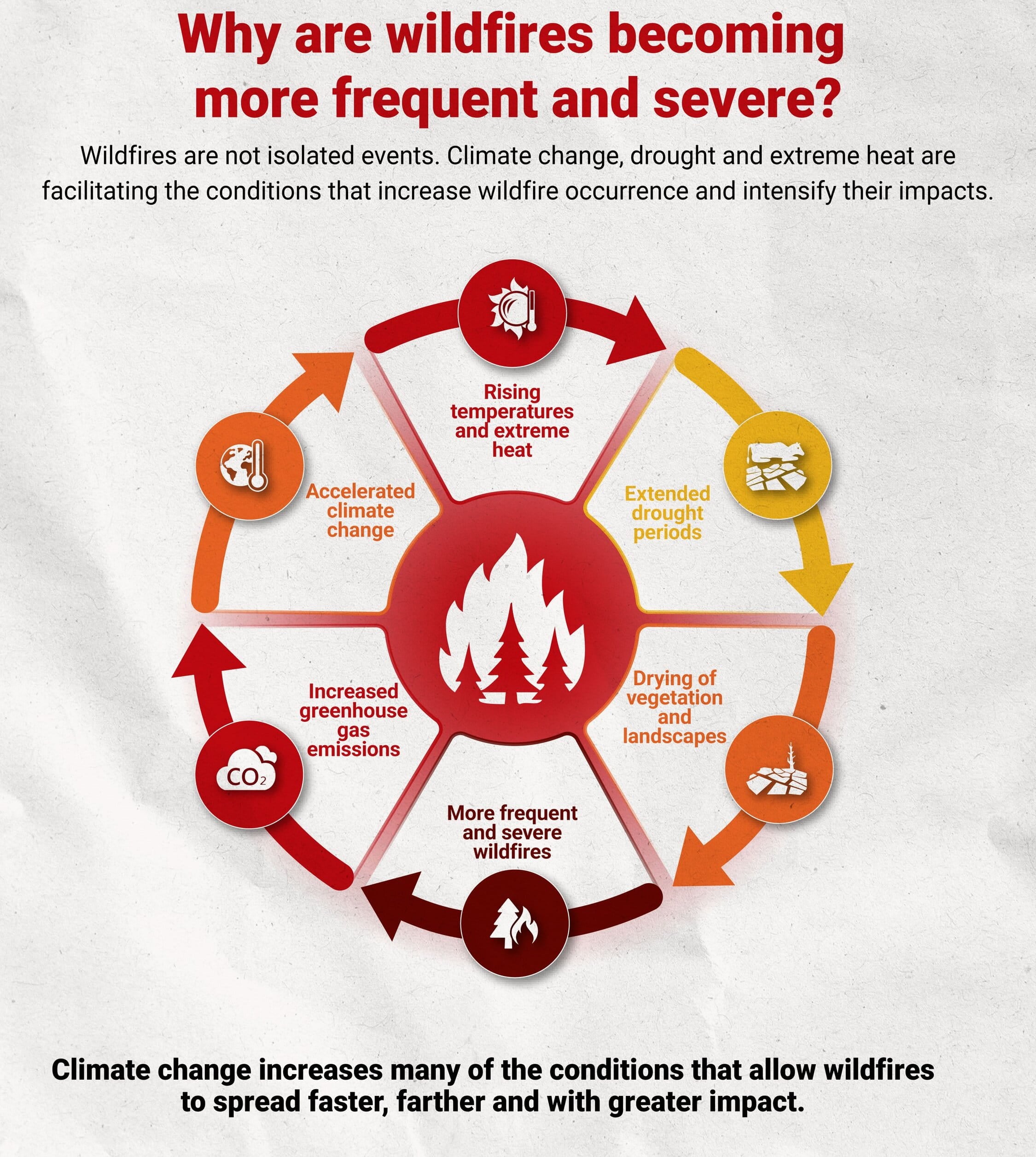
Why are wildfires becoming more frequent and severe?
Enlarge image >
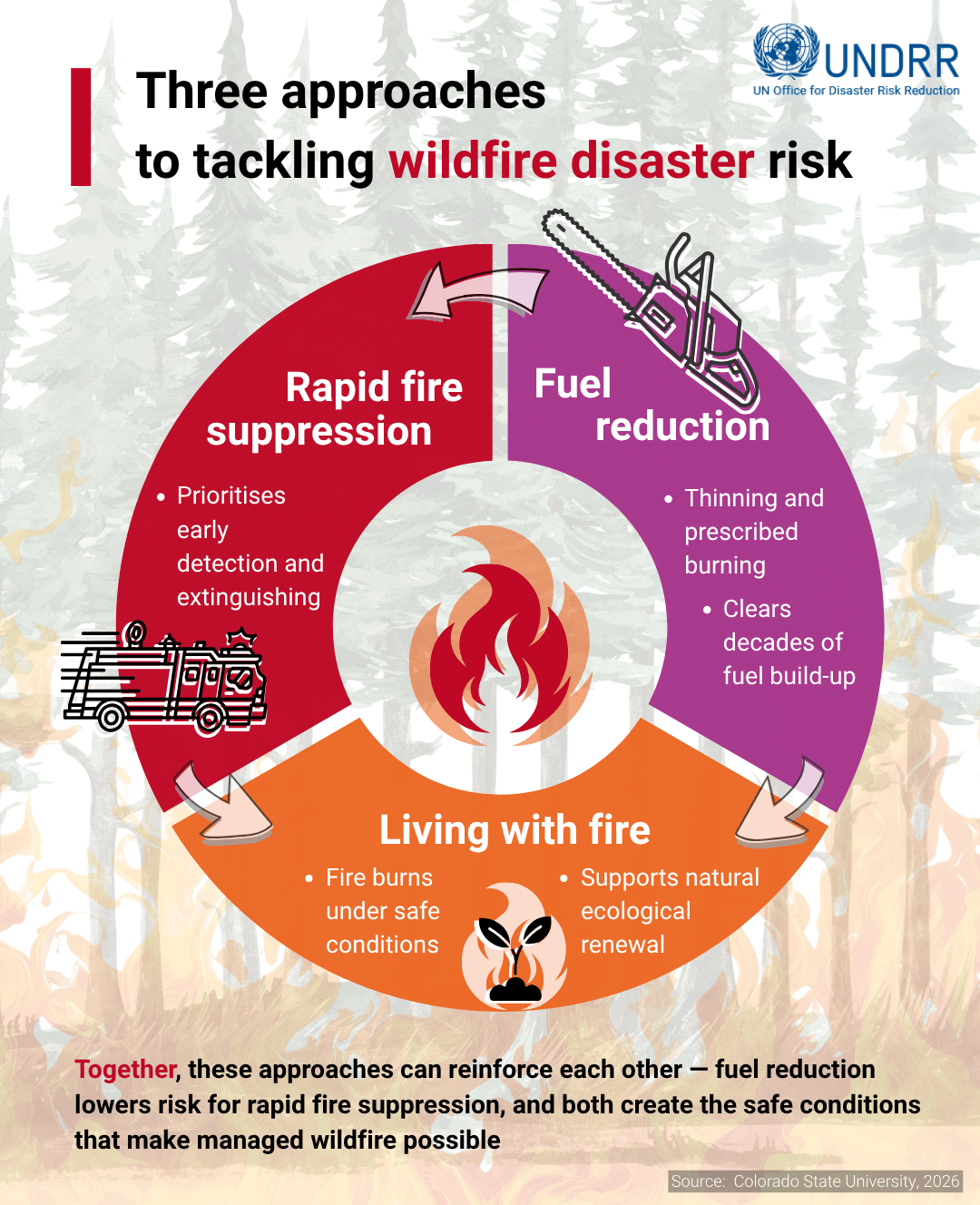
Three approaches to tackling wildfire disaster risk.
Enlarge image >
How wildfire risk evolves
By 2040, nearly a third of the world’s population may live in areas where the meteorological conditions and vegetative fuel availability would allow for wildfires to spread if ignited.
Fires used to die down or even die out at night as temperatures dropped and humidity increased. The number of hours in North America when the weather is favorable for wildfires is 36% higher than 50 years ago.
The time between multi-day smoke events is shrinking — leaving communities with less time to recover before smoke returns. The window of cleaner air shrank by more than 60% from 2006 to 2020.

Past wildfire events
Every wildfire has lessons to teach. This section brings together significant wildfire events, documenting their impacts, underlying risk drivers, and recovery experiences. These lessons from past wildfire events provide evidence to support risk-informed decision-making, highlight good practices and emerging challenges, and help strengthen efforts to prevent future losses and build resilience to increasingly frequent and severe wildfires.
Examine past events to better understand how climate conditions, land management, urban expansion, governance and preparedness influence wildfire risk and resilience. Explore learnings from wildfires and see below for dedicated resources on past wildfire disasters.


Additional resources