Ecosystem-based approaches
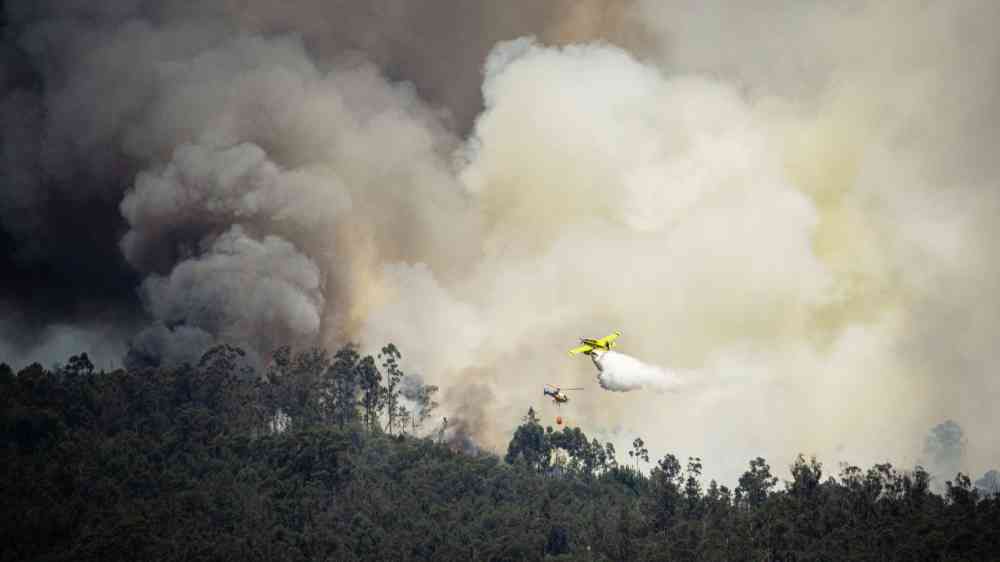
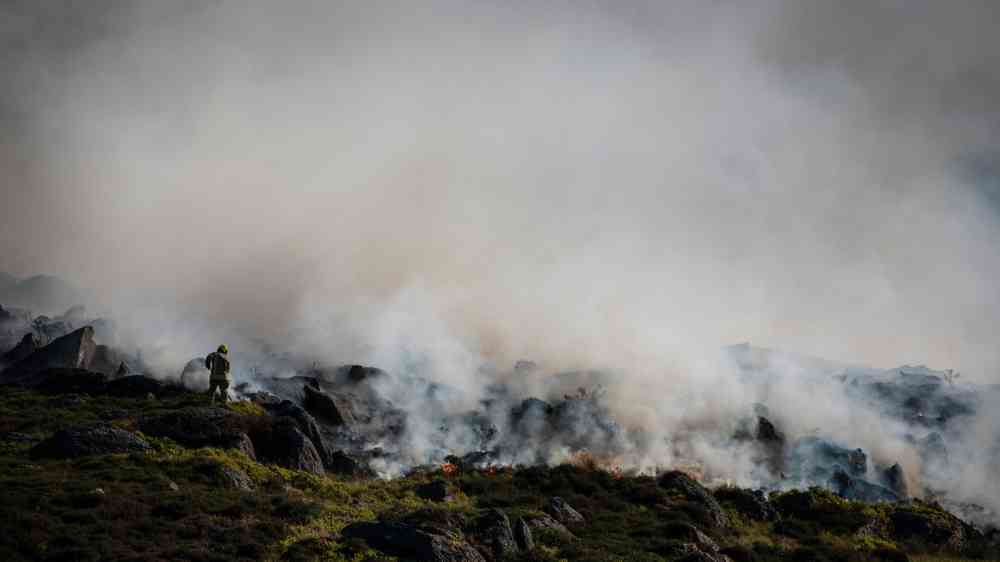
Ecosystem-based approaches reduce wildfire risk by protecting, restoring and managing landscapes in ways that strengthen their natural resilience to fire.
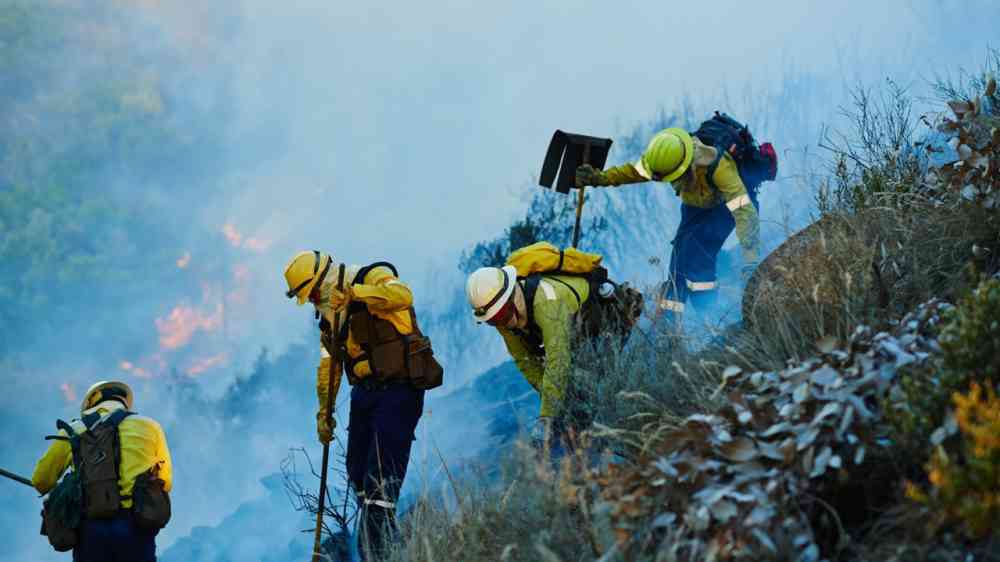
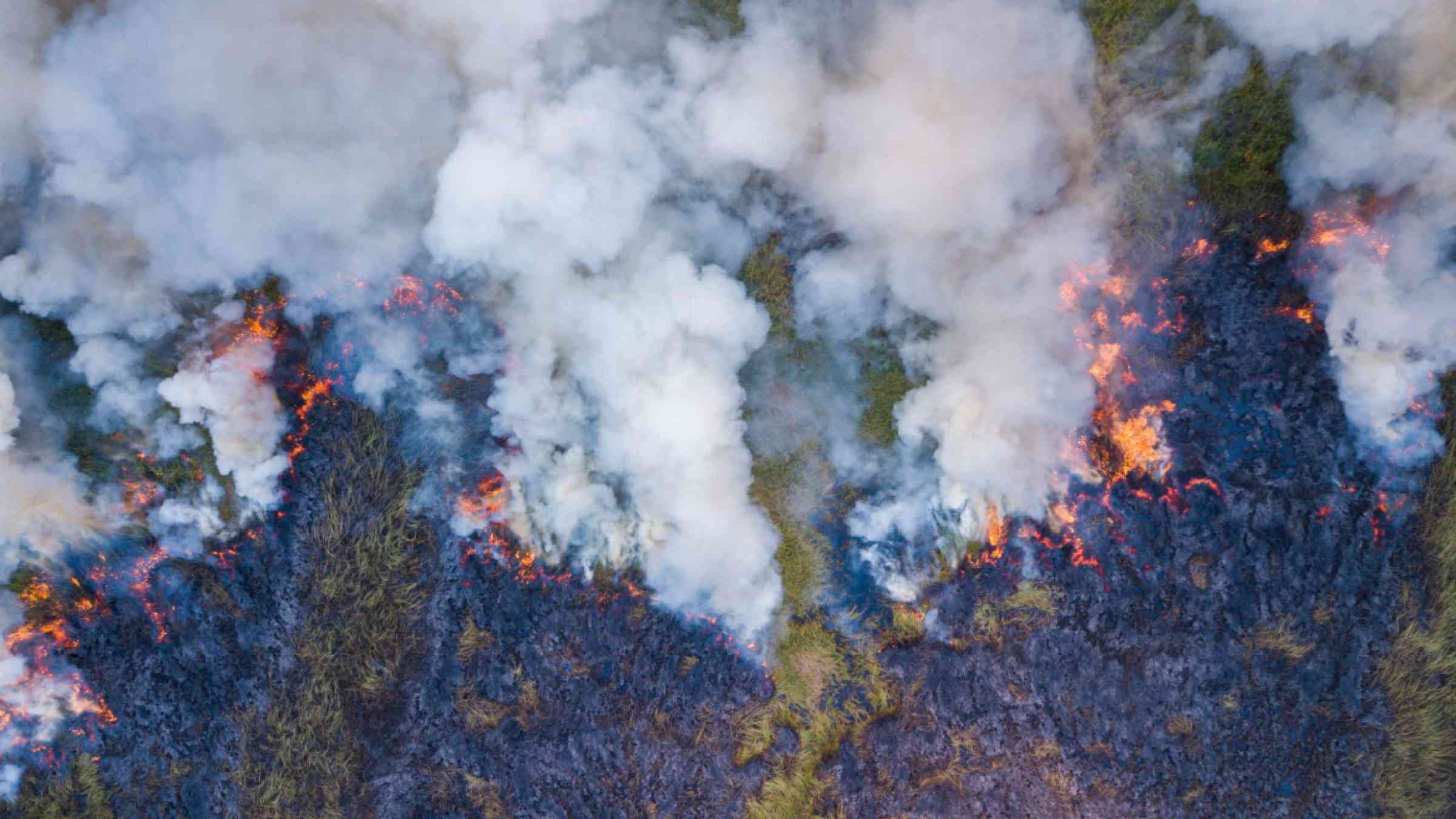
Healthy forests, wetlands, grasslands and other ecosystems can help limit the spread and intensity of wildfires by reducing the build-up of combustible vegetation, maintaining moisture in the landscape and supporting more diverse, fire-adapted ecosystems. Measures such as ecological forest restoration, prescribed or cultural burning where appropriate, sustainable grazing and the conservation of natural firebreaks can lower wildfire risk while maintaining ecosystem health.
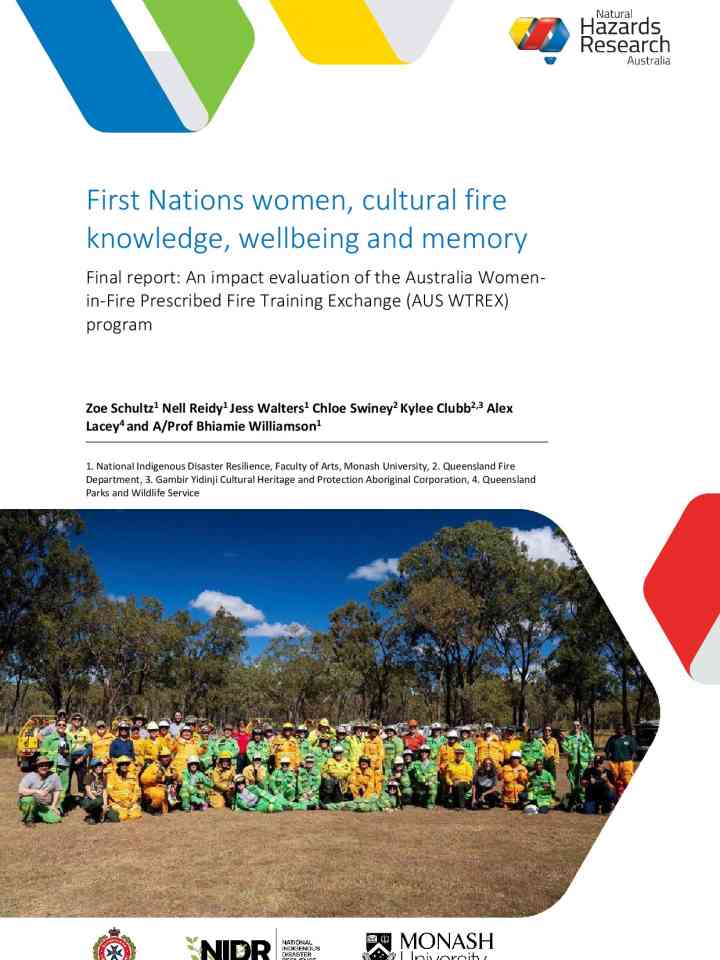
These approaches also provide benefits beyond wildfire risk reduction. Healthy ecosystems protect biodiversity, store carbon, improve water security and support livelihoods, making communities more resilient to the growing impacts of climate change. Ecosystem-based wildfire management is most effective when combined with risk-informed land-use planning, resilient infrastructure, community preparedness and Indigenous Peoples' and local knowledge, creating an integrated approach that addresses both the causes and consequences of wildfire risk.