1. Home
  2. Knowledge Base | PreventionWeb
  3. Themes

Climate change

Climate adaptation for disaster resilience and climate change as a risk driver.

Climate adaptation relates to the process of adjusting in natural or human systems in response to actual or expected climate hazards, which moderates harm or exploits beneficial opportunities. Climate change adaptation is closely related to disaster risk management as they both aim to reduce vulnerability and build resilience to disasters. Climate change as a risk driver refers to how changes in the global climate drive extreme weather events and disaster risk.


Climate disasters are intensifying, threatening lives, livelihoods, and entire economies.

Latest Climate change additions in the Knowledge Base

Uploaded on
Residents of Maharashtra, India fill water in containers during drought in India (2016)
Update

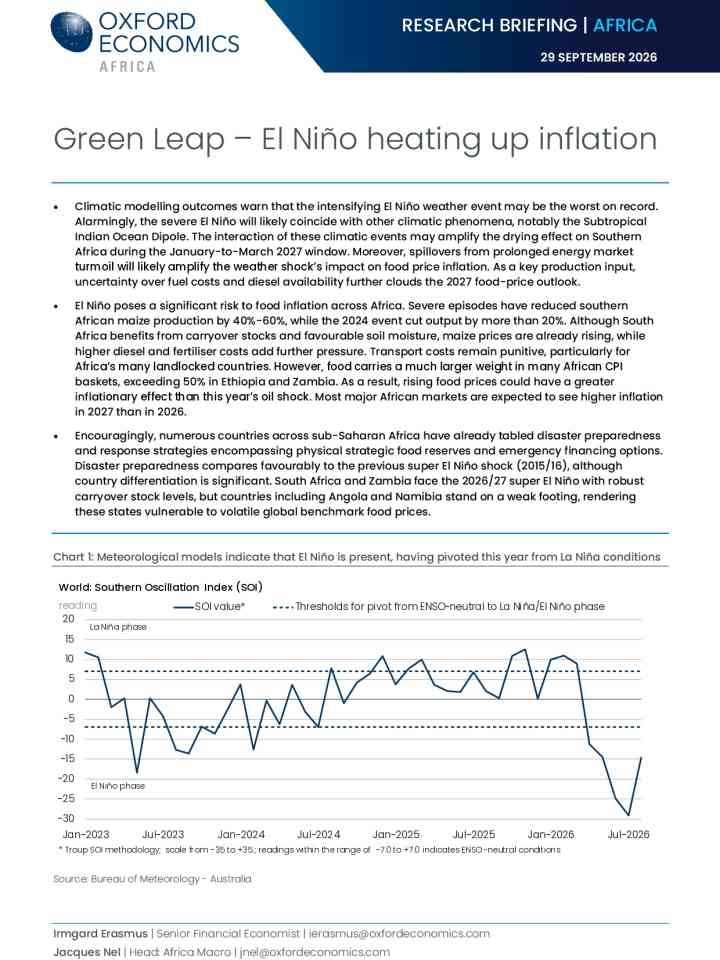
An El Niño index that provides a more climate-robust measure of the strength of El Niño signals has been released by the European Centre for Medium-Range Weather Forecasts (ECMWF).

European Centre for Medium-Range Weather Forecasts
Old farmer harvesting coffee beans in Colombia
Update

In responding to climate change, Colombia’s Wayuu are bringing together dreams and science

Dialogue Earth
Update

Some of the same ecological changes fueling Maine’s winter tick boom are also making tick encounters more common in broad swaths of the U.S.

Grist Magazine
A framework for assessing climate change and disaster-related losses of biodiversity and ecosystem services thumbnail
Documents and publications

This report introduces a framework for assessing climate change and disaster-related losses of biodiversity and ecosystem services.

United Nations Office for Disaster Risk Reduction (UNDRR)
United Nations University - Institute for Environment and Human Security (UNU-EHS)
United Nations Environment Programme (UNEP)
Beyond hazards and sectors: governing systemic climate risks thumbnail
Documents and publications

The report uses an exploratory comparative analysis of adaptation governance across selected countries and US states to examine both the recognition of systemic risks.

Stockholm Environment Institute
Drought’s inequalities: towards inclusive climate adaptation in Zambia thumbnail
Documents and publications

The study highlights urgent needs regarding Zambia's drought: integrating informal settlements into city planning; investing in climate-resilient water, sanitation and hygiene (WASH) infrastructure; strengthening community governance and tenure security.

International Institute for Environment and Development (IIED)
Raising El Niño awareness in Vanuatu
Op Ed

Signs are pointing to a potentially powerful El Niño event — but there is no need for panic. It is an opportunity to stress-test our disaster risk governance systems, and to strengthen protection for the most vulnerable communities.

United Nations Office for Disaster Risk Reduction (UNDRR)
Update

Adaptation is not a substitute for mitigation. Cutting emissions remains indispensable to preventing the worst outcomes of climate change. Even if we succeed in limiting warming to 1.5°C, we will still face more floods, heatwaves, and ecosystem losses.

Global Investigative Journalism Network (GIJN)
Uploaded on