1. Home
  2. Knowledge Base | PreventionWeb
  3. Themes

Climate change

Climate adaptation for disaster resilience and climate change as a risk driver.

Climate adaptation relates to the process of adjusting in natural or human systems in response to actual or expected climate hazards, which moderates harm or exploits beneficial opportunities. Climate change adaptation is closely related to disaster risk management as they both aim to reduce vulnerability and build resilience to disasters. Climate change as a risk driver refers to how changes in the global climate drive extreme weather events and disaster risk.


Climate disasters are intensifying, threatening lives, livelihoods, and entire economies.

Latest Climate change additions in the Knowledge Base
Uploaded on
Update

Adaptation is not a substitute for mitigation. Cutting emissions remains indispensable to preventing the worst outcomes of climate change. Even if we succeed in limiting warming to 1.5°C, we will still face more floods, heatwaves, and ecosystem losses.

Global Investigative Journalism Network (GIJN)
Update

Climate science and adaptation strategies can only make an impact in the real world, when people can understand and act upon them.

International Water Management Institute (IWMI)
Research briefs

Two new studies shed light on how hail might change as the world warms.

Conversation Media Group, the
 Systemic climate adaptation framework  thumbnail
Documents and publications

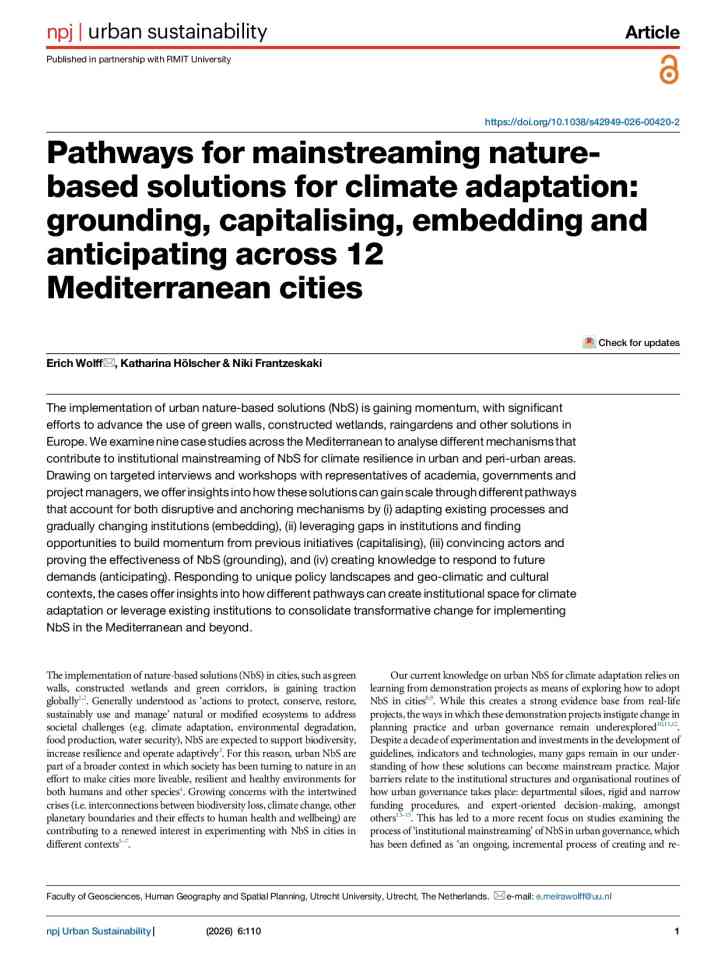
This report explores how, and to what degree, adaptation policies and governance arrangements are beginning to acknowledge and respond to the systemic nature of climate change.

Stockholm Environment Institute
Update

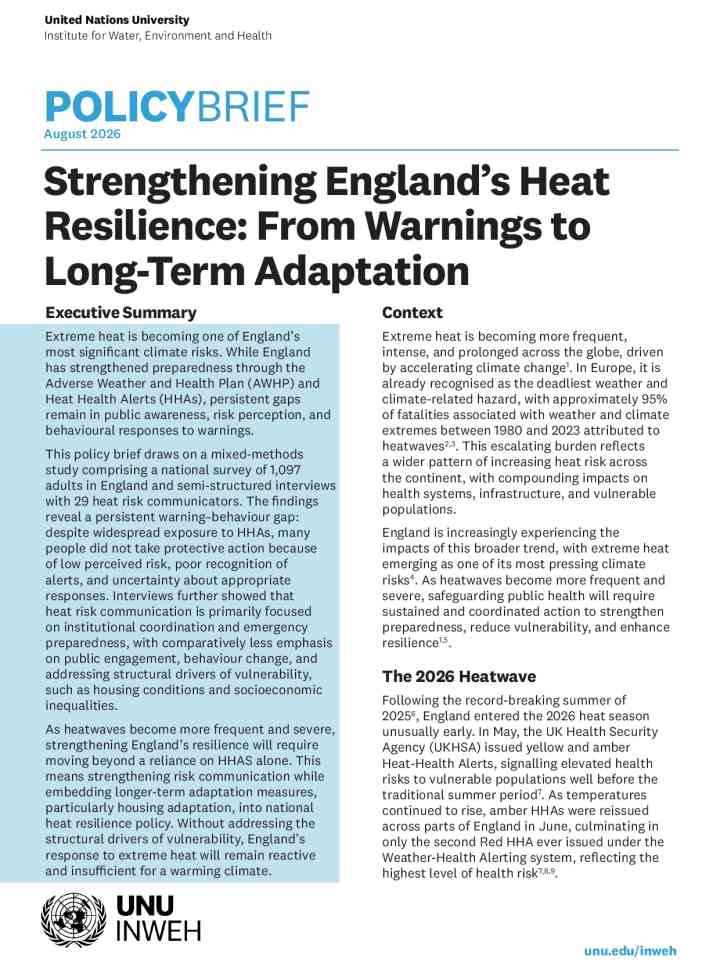
As the world warms, understanding the limits of human heat tolerance is becoming increasingly important.

United Nations University - Institute for Environment and Human Security (UNU-EHS)
Team of people working together and combining pieces of gears
Update

Climate adaptation increasingly depends on specialized knowledge — from climate modelling and flood mapping to water management and data analysis — as well as local knowledge, developed over generations.

United Nations Development Programme (UNDP)
Update

In the century and a half after Tambora, disasters continued to take an enormous toll. Earthquakes, cyclones, and floods claimed hundreds of thousands of lives in multiple events, particularly in the first half of the twentieth century.

Asian Disaster Preparedness Center
Research briefs

A study published in Nature predicts that climate change could produce larger, more damaging hailstones in some regions. The editors of Nature have also published a Research Briefing in the same issue summarizing the work.

PhysOrg, Omicron Technology Ltd
Uploaded on