Understanding disaster risk:
foundational concepts and approaches
Explore the encyclopedia of disaster risk reduction
Reading the materials in this section, you will learn to understand the concept of disaster risk, risk assessment, management strategies, and the importance of collaboration among stakeholders for effective disaster risk reduction.

On this page
Why reducing risk matters
Saving lives, protecting infrastructure, safeguarding economies, preserving the environment and building resilience.


Components of risk
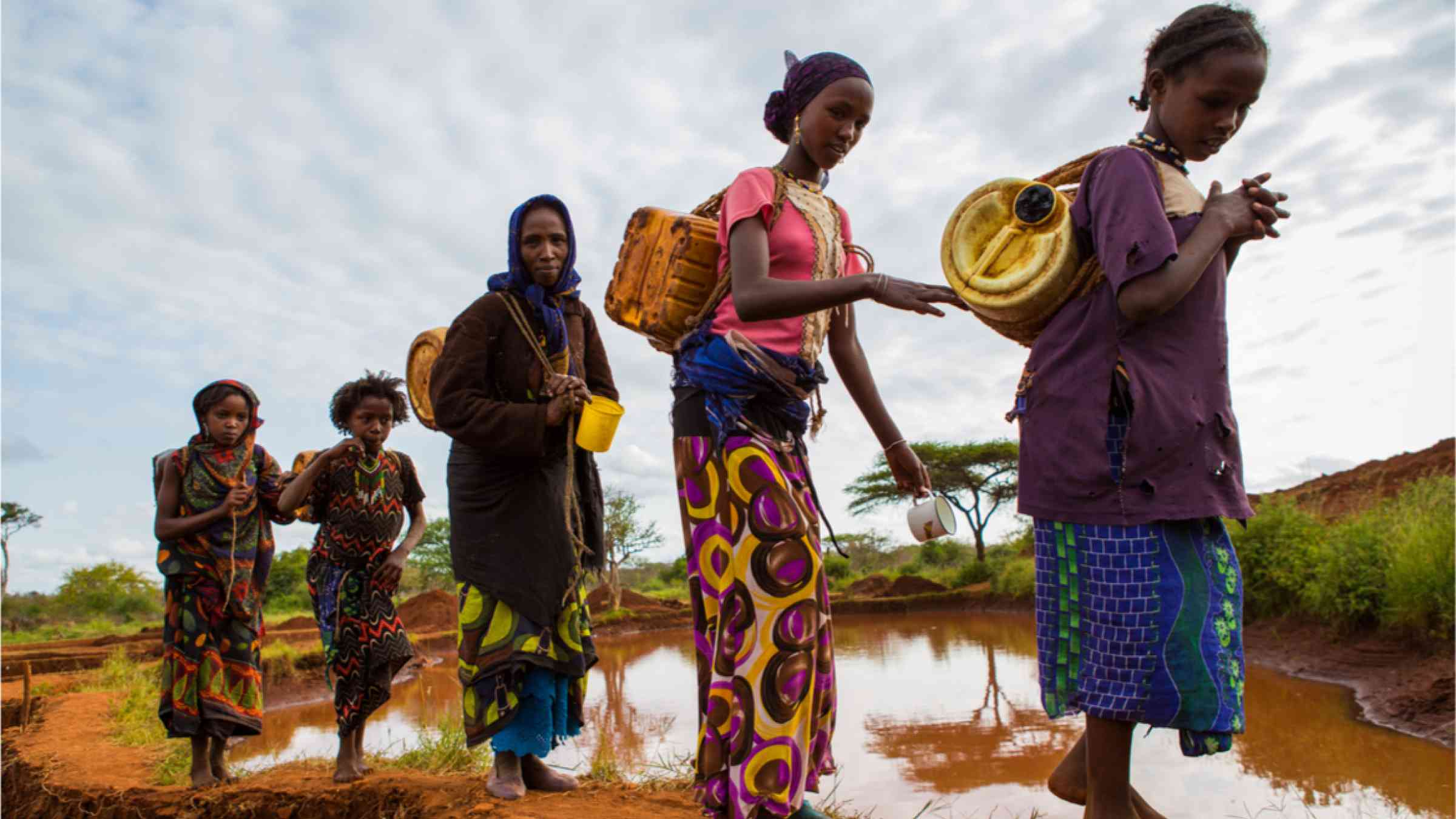
Disaster risk is the consequence of the interaction between a hazard and the characteristics that make people and places vulnerable and exposed.
- Disaster Risk
Disaster risk is expressed as the likelihood of loss of life, injury or destruction and damage from a disaster in a given period of time. - Hazard
A hazard is a process, phenomenon or human activity that may cause loss of life, injury or other health impacts, property damage, social and economic disruption or environmental degradation. Hazards may be natural, anthropogenic or socionatural in origin. - Vulnerability
The characteristics determined by physical, social, economic and environmental factors or processes which increase the susceptibility of an individual, a community, assets or systems to the impacts of hazards. - Exposure
The situation of people, infrastructure, housing, production capacities and other tangible human assets located in hazard-prone areas.

Risk drivers
Risk is influenced by the decisions we make. From climate change to poor urban planning, it is critical to understand and address risk drivers to curb disaster risk.
- Climate change
Climate change can increase disaster risk in a variety of ways - by altering the frequency and intensity of hazard events, affecting vulnerability to hazards, and changing exposure patterns. - Environmental degradation
Environmental degradation is both a driver and consequence of disasters, reducing the capacity of the environment to meet social and ecological needs. - Globalized economic development
This has increased vulnerability to disasters in some cases, whilst increasing exposure to hazards in others as more (and often more valuable) assets are developed in hazard-prone areas. - Poverty and inequality
Poverty is both a driver and consequence of disasters, and the processes that further disaster risk related poverty are permeated with inequality. - Poorly planned urban development
Whether or not disaster risk is factored into investment decisions in urban development will have a decisive influence on the future of disaster risk reduction. - Weak governance
Investment environments in which public sector actors do not assume their roles and responsibilities.
Key concepts
From deterministic and probabilistic risk to intensive and extensive risk, explore key concepts in disaster risk reduction.
- Capacity
Capacity refers to all the strengths, attributes and resources available within a community, organization or society to manage and reduce disaster risks and strengthen resilience. - Resilience
In the context of disaster risk, the ability of a system, community or society exposed to hazards to resist, absorb, accommodate, adapt to, transform and recover from the effects of a hazard in a timely and efficient manner, including the preservation and restoration of its essential basic structures and functions through risk management. - Community-based disaster risk reduction (CBDRR)
This approach engages the local community, including the most vulnerable, in managing local disaster risk with community specific risk reduction measures while recognizing existing capacities and coping mechanisms. - Disaster risk reduction and disaster risk management
The policy objective of anticipating and reducing risk is called disaster risk reduction (DRR). Although often used interchangeably with DRR, disaster risk management (DRM) can be thought of as the implementation of DRR, since it describes the actions that aim to achieve the objective of reducing risk. - Deterministic and probabilistic risk modelling
Deterministic risk considers the impact of a single risk scenario, whereas probabilistic risk considers all possible scenarios, their likelihood and associated impacts. - Direct and indirect losses
Losses (the result of being deprived of something) are a measure (quantified or not) of the damage or destruction caused by a disaster. The impact of a disaster can, however, be much farther reaching. - Intensive and extensive risk
Extensive risk is used to describe the risk associated with low-severity, high-frequency events, mainly but not exclusively associated with highly localized hazards. Intensive risk is used to describe the risk associated to high-severity, mid to low-frequency events, mainly associated with major hazards. - Sovereign risk
If the potential occurrence of a disaster is not taken into account in the government's budget and a disaster occurs, this could entail a deficit for the country, and impact negatively on the country’s creditworthiness. A sovereign risk financing strategy aims at strengthening the capacity of the government to respond after a disaster event while protecting its fiscal balance. - Systemic risk
Systemic risks involve: multiple communities, cities, regions, or countries; risks that are interconnected; effects that move from one system or network to another and are uncertain or unpredictable; and they have potentially devastating outcomes – like the collapse of entire systems and threats to society as a whole. - Cascading risk
Cascading risk is the probability of a chain reaction resulting from a hazard or failure which triggers interconnected impacts that may escalate across systems and sectors. - Compound risk
Compound risk is the risk that two or more hazards or risk drivers interact, either simultaneously or consecutively, producing impacts greater than the sum of individual events, and complicating response and recovery.
Approaches and practices
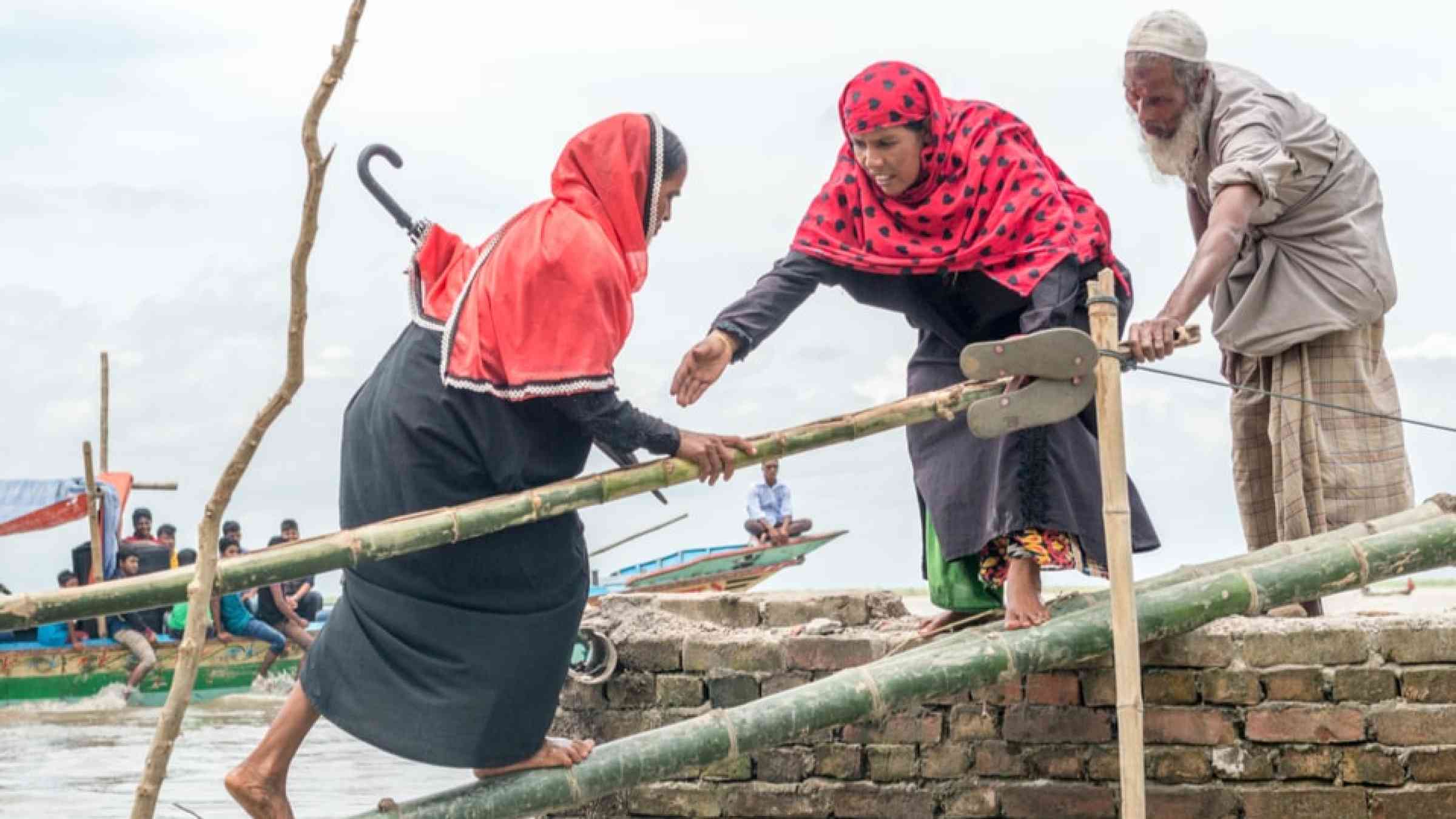
From anticipatory action to scaling up DRR in humanitarian action, explore various approaches used to prevent disasters and reduce risk.
- Scaling up DRR in humanitarian action
Scaling up disaster risk reduction (DRR) in humanitarian and fragile contexts is critical as it complements emergency response with a focus on reducing exposure and vulnerability. DRR integration also helps to ensure that no one is left behind, as marginalization and social inequalities reinforce vulnerable populations’ exposure to disasters. - Conducting simulation exercises
Simulation exercises help prepare communities and allow for stress testing plans and systems for effective response. Systems, emergency procedures, contingency plans, response mechanisms, and equipment are tested in these exercises. - Anticipatory action
Anticipatory action allows humanitarians and affected communities to make informed decisions ahead of a humanitarian crisis – saving time and money; preventing displacement, disease, loss of livelihood; and preserving the dignity of those affected.
The DRR Glossary


Engage in DRR


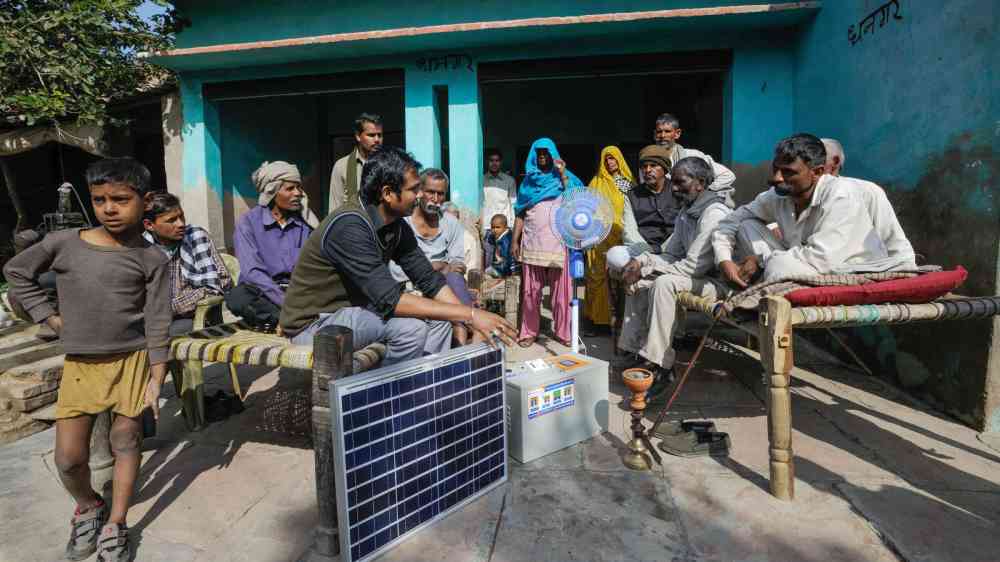
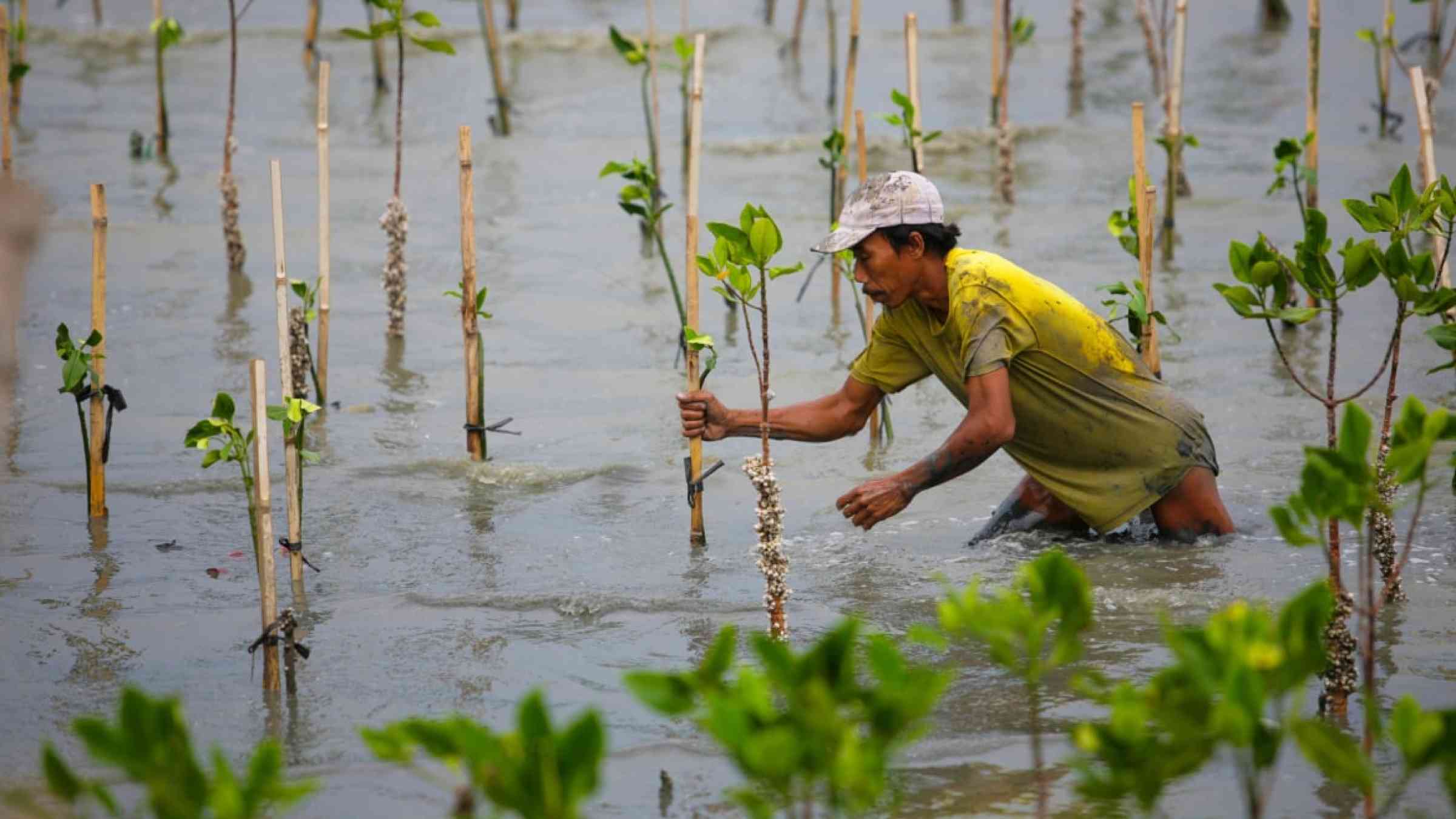
Hazards do not have to turn into disasters.
To break the vicious cycle of "Disaster, respond, recover, repeat.", we need a better understanding of disaster risk, in all its dimensions.