1. Home
  2. Understanding disaster risk

DRR Solutions space

Disaster risk solutions

Scalable and replicable success stories to prevent disasters.
illustrative image

A catalogue of evidence-based practices to reduce disaster risk.

Concrete innovations, inventions, and strategies are reducing the impacts of disasters worldwide. These practical success stories and proven strategies address various aspects of disaster risk.

The documented successes, measurable achievements, avoided disasters, and tangible outcomes serve as lessons for those planning actions to enhance resilience, reduce vulnerability, and protect communities from the adverse effects of disasters.

The stories you will find below encompass a wide range of practical DRR measures, including early warning systems, community-based initiatives, green and grey infrastructure improvements, policy implementations, and innovative technologies that have been applied and proven effective in real-world scenarios.

Find your solution

Search by theme, hazard and country, or use specific keywords.
australia houses aerial view
Update

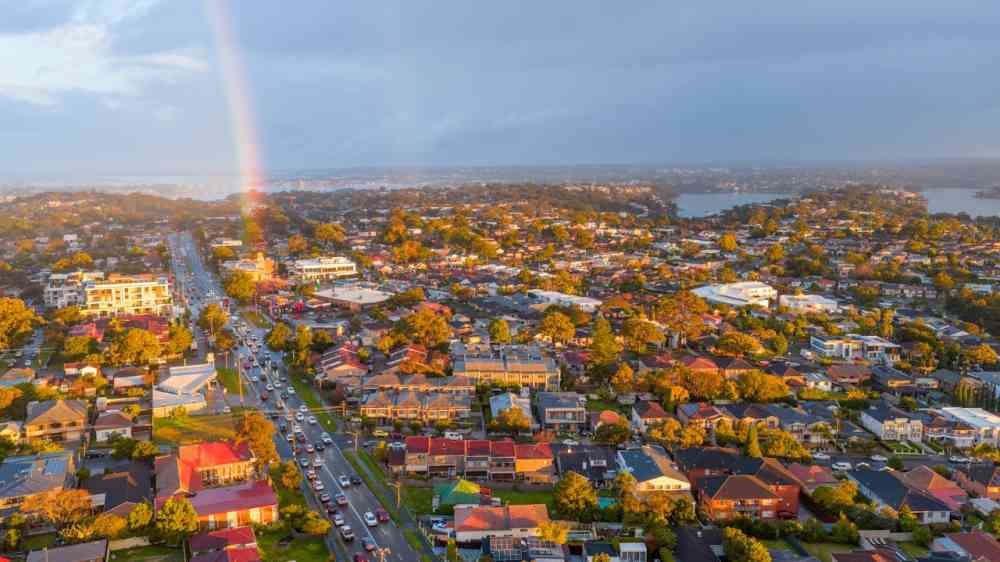
An independent evaluation has found the $741 million Queensland Resilient Homes Fund (RHF) improved flood resilience and supported recovery for thousands of homeowners across 39 local government areas following the 2021–2022 Southern Queensland floods.

Natural Hazards Research Australia
Wetland with a clear sky reflection on the pond
Update

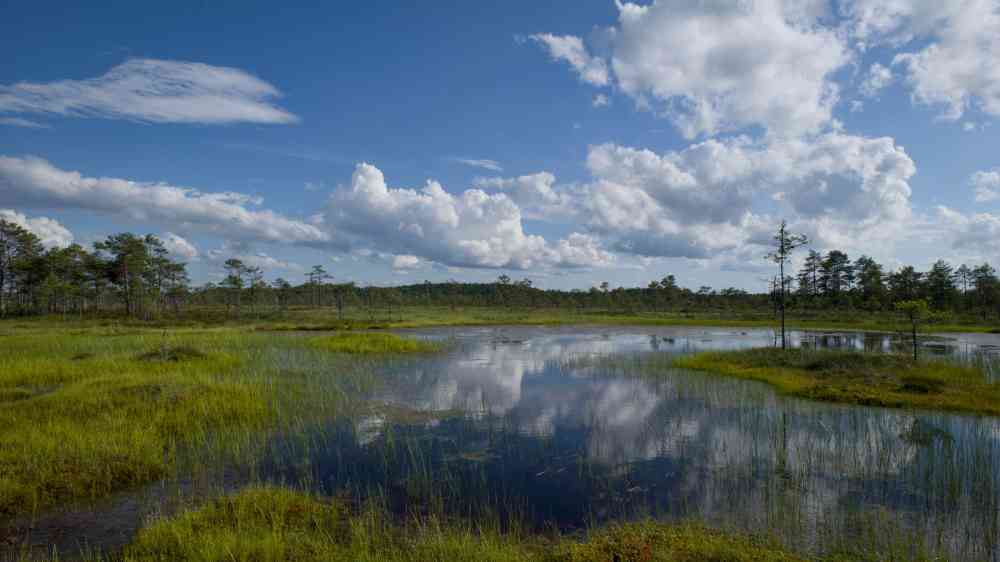
Preventing peatland fires depends on peatland restoration and reducing conditions that enable fires to spread. Indonesia’s experience provides lessons for protecting vulnerable ecosystems and communities globally.

Conversation Media Group, the
Wildfire evacuation sign
Update

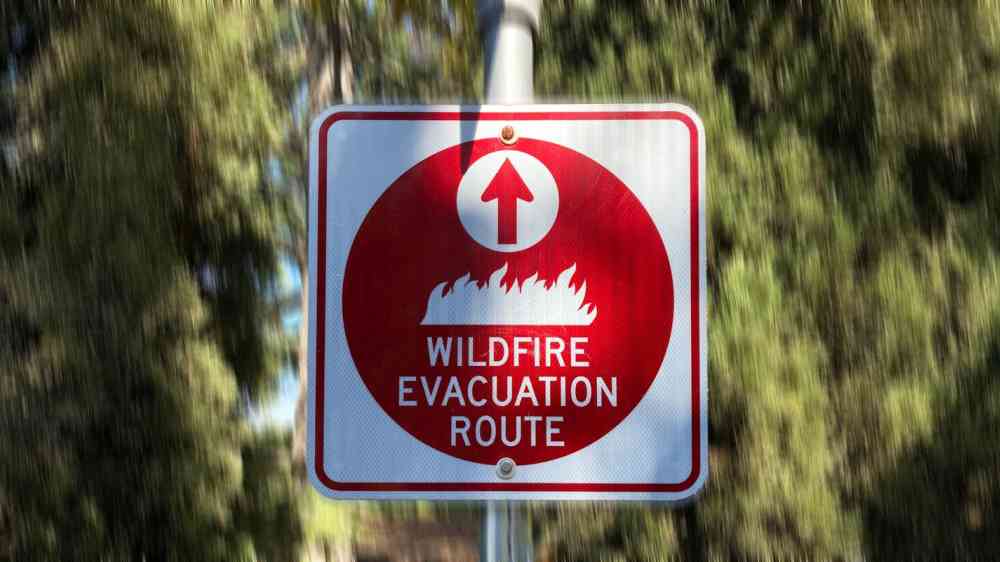
Wildfire evacuations are often more complex than they seem. Experience from Spokane shows that evacuation drills help residents prepare, improve traffic management and warning systems, and can save lives when fast-moving fires threaten communities.

Conversation Media Group, the
Update

Water is indispensable to Arizona and Greater Phoenix. Through Colorado River canals, 100-year groundwater framework, and water storage systems, the state has built a resilient water portfolio that is reliable despite the Southwest’s 25-year drought.

Greater Phoenix Economic Council (GPEC)
Airplane view Chari river Chad
Update

PILIER launched a $13 million flood preparedness and response plan in early 2024 to protect N’Djamena during a high-risk rainy season.

World Bank, the
Case study
Location: Pakistan
This case study highlights that the post-1935 earthquake buildings performed well in Pakistan during the 1955 earthquake.
  • Disasters avoided
Case study
Location: United States of America
This case study explains how the work of the National Weather Service (NWS) Omaha-Valley office was instrumental in reducing the negative human health impacts of the Arbor Day tornado outbreak.
  • Disasters avoided
Case study
Location: Africa
This case study highlights how the Southern Africa drought response of 1992-1993 demonstrated how coordinated and timely action was effectively able to avert disastrous famine consequences – even at regional scale.
  • Disasters avoided
Before and after views of river cleaning and rehabilitation works in Rize
Davut Şahin Yeliz Teker Özgür Bostanci Doğuş Bulut
River rehabilitation works carried out through institutional cooperation in Türkiye constitute a concrete example of DRR–CCA integration in practice
Fatigued female worker sits against shipping container, wiping sweat from her forehead while holding a water bottle and hard hat.
Research briefs

Heat prevention plans across Europe are already saving thousands of lives during extreme heat, leading to a reduction of about 25% in excess deaths attributable to extreme heat.

Centro Euro-Mediterraneo sui Cambiamenti Climatici (CMCC)
Case study
Location: Honduras
This research examines the neighborhood-level relationship between urban tree canopy coverage and air conditioning (A/C) usage in San Pedro Sula, Honduras, a rapidly growing city with high heat exposure.
  • Global Disaster Preparedness Center (GDPC)
Case study
Location: Malawi
Urban refugees face compounded climate vulnerabilities that remain poorly understood.
  • International Federation of Red Cross and Red Crescent Societies (IFRC)
Case study
Location: Ghana
This study explores the role of Village Savings and Loan Associations (VSLAs) in enhancing urban resilience to climate change in Northern Ghana, focusing on the cities of Tamale and Bolgatanga.
  • International Federation of Red Cross and Red Crescent Societies (IFRC)
Case study
Location: Tanzania, United Rep of
This study investigates the multiplier effect of micro-insurance on climate resilience and socio-economic stability among motorcycle taxi (boda-boda) drivers in Dar es Salaam, Tanzania.
  • International Federation of Red Cross and Red Crescent Societies (IFRC)
Father carrying daughter on his back seeking shelter after the destruction of their home by a typhoon in the Philipinnes
Update

Communities in Cagayan, Philippines use anticipatory action—moving boats, securing farms and assets—to reduce typhoon damage. With FAO support, early preparation boosts resilience and speeds recovery from severe storms.

Food and Agriculture Organization of the United Nations (FAO)
Case study
Location: Korea, Rep of
An elevated expressway was turned into the Cheonggyecheon stream. Riverside paths are closed in heavy rain and are social spaces at other times. Air quality improved and traffic reduced, but the project remains controversial.
  • Disasters avoided
Case study
Location: Viet Nam
Good national to local government links exist, with good governance a key focus. Earth observations provide data and forecasting for people to take proactive action. Local community groups ensure key information and data are reviewed and acted upon.
  • Disasters avoided
Case study
Location: Australia
Wildfire disasters are being avoided in Australia because many groups of people are coordinating actions and working towards a common goal. Government, communities and businesses are investing in wildfire risk reduction.
  • Disasters avoided
Case study
Location: Bangladesh
Village communities work with NGOs to build dwellings that can cope with flooding. Earth observations data is used for decision-making at national, state and local levels. Tested communications channels alert and warn people, who act on the advice.
  • Disasters avoided
Case study
Location: Germany
Good government regulation and urban planning lead to good urban resilience. Multiple tested communications channels alert and warn citizens, who act on the advice of authorities because of meaningful inclusion and respect.
  • Disasters avoided
Case study
Location: Netherlands, the
Unexpected flooding incited a programme on Dutch rivers to rehabilitate rivers while making them safer from floods. The city of Deventer took its time and embarked on an extensive consultative and cooperative process.
  • Disasters avoided
A flooded urban park that functions as a retention basin
Update

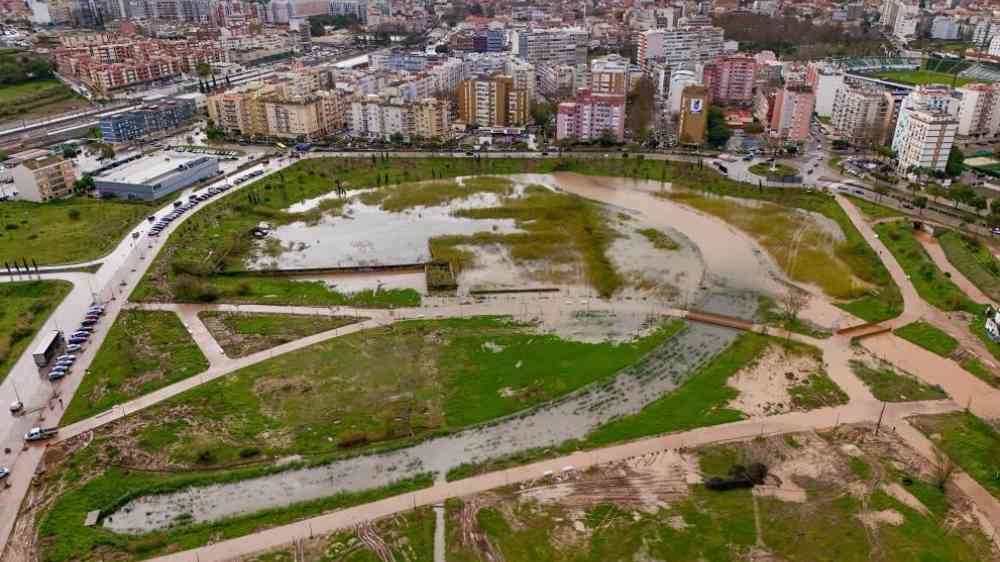
Setúbal's dual retention basin absorbed heavy rainfall during recent storms, preventing historic flooding, protecting the city centre, and demonstrating how long‑term, multi‑functional climate adaptation infrastructure can boost urban resilience.

European Commission
weather surveillance radar
Update

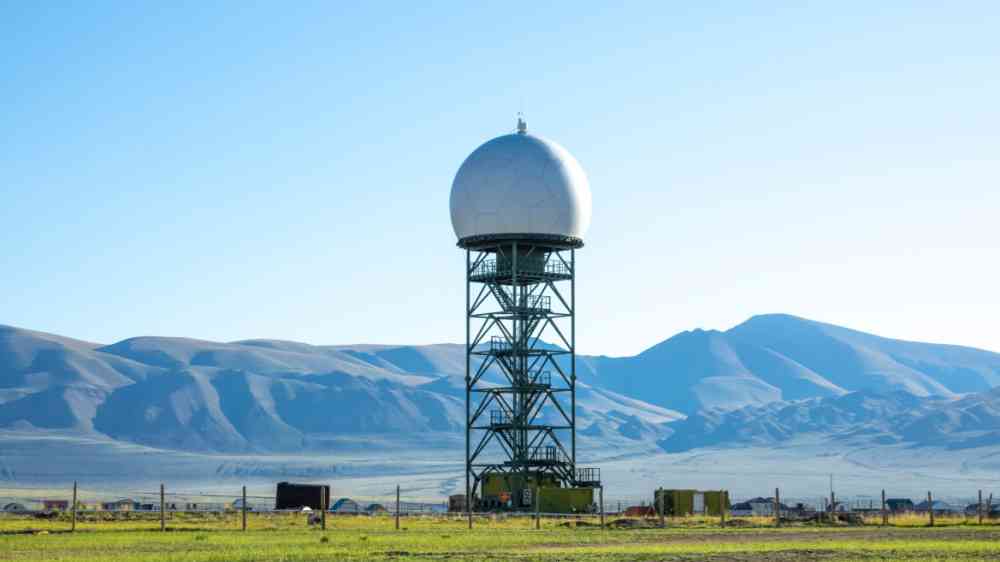
High in the lush surrounds of Coopers Hill, a powerful dome spins quietly, sending and receiving signals across the Caribbean. This is Jamaica’s newly installed Doppler weather radar to strengthen preparedness for increasingly intense storms.

Climate Investment Funds
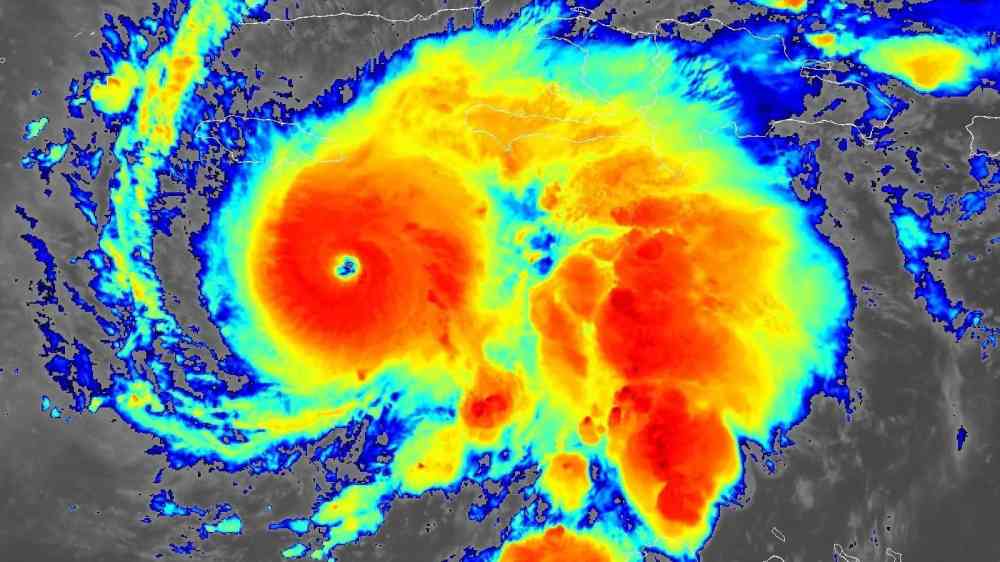
Satellite infrared image Hurricane Melissa
Update

The payout from Jamaica’s Catastrophe Bond, triggered by Hurricane Melissa, provided crucial immediate financial relief, underscoring the vital role of sovereign risk-financing tools.

World Bank, the
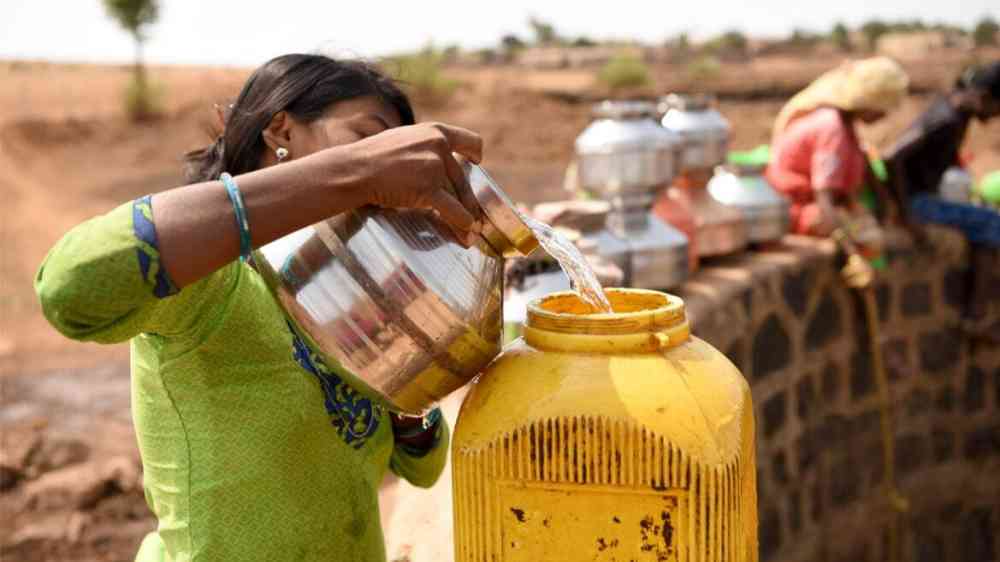
A woman fetches water from a nearly dry well at Shahapur Taluka, Maharashtra, India
Update

This publication discusses how community-based rain monitoring in India enhances disaster preparedness by enabling local collection and use of rainfall data to improve early warning systems and community resilience to extreme weather and flooding.

Mongabay
Case study
Location: Ghana
Flooding poses a significant threat to socio-economic and ecological systems in Ghana. The project aims to assess the effectiveness and practicality of implementing Nature-Based Solutions for flood risk management in South Tongu district.
  • Nature-based Solutions Platform (Witteveen+Bos)
Dead corn under an orange sky, capturing the eerie silence of a once thriving agriculture crippled by climate change.
Research briefs

Satellites detecting anomalies of the spectral reflectance of crops in Uganda successfully foretold imminent crop failure and automatically triggered timely governmental disaster relief.

Eos - AGU
Research briefs

Researchers in Kenya have identified two low-cost solutions that tackle the twin challenges of rising temperatures and malaria transmission.

PhysOrg, Omicron Technology Ltd
Close-up on a few desert locusts on corn plants.
Research briefs

Study believed to be the first to test this method in real-world farming conditions; soil amendments resulted in fewer locusts, less damage and a doubled crop yield.

Arizona State University
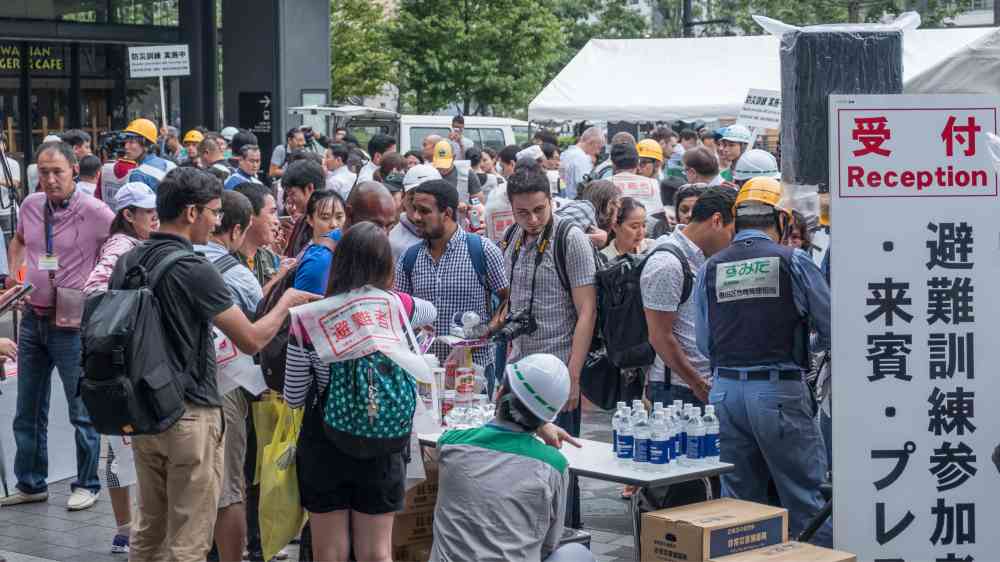
Members of the public join a disaster drill in Tokyo, Japan
Update

Tokyo envisions a century of safety for people drawn to Japan’s capital from around the world.

Economist Impact
Laborer standing in a field of strawberries
Research briefs

As the Trump administration is expected to finalize a standard to prevent heat-related injury and illness for workers by early next year, a new study shows that clear, comprehensive rules save lives.

Inside Climate News
Aerial view on damaged red single house roof after strong wind
Update

14 years after devastating tornadoes, state forges a practical approach to safer, stronger communities.

The Pew Charitable Trusts
Palm trees at the Al Ain Oasis in Abu Dhabi, UAE.
Update

For years, the Sahara Desert has crept steadily toward communities in Kano State, Nigeria, drying up farmland and threatening livelihoods. Makoda village is holding it back with a wall of trees.

Triple Pundit
Fast action for floods: RCT evidence on forecast-based cash transfers from Bangladesh and Nepal thumbnail
Documents and publications

This report presents a randomized controlled trial in Bangladesh and Nepal which tested whether providing cash within days of a flood leads to greater benefits than delivering the same assistance months later.

World Bank, the
JNCC – UK Overseas Territories Report 6. Model development to assess the vulnerability of the Cayman Islands to storm surge and inland flooding and the role of natural capital in mitigating the impacts – Phase 2 thumbnail
Documents and publications

This report provides a summary of the outcomes from improvements to inland and coastal models used to quantify flood extents under extreme weather events and understand how flood protection is changed under hypothetical scenarios in the Cayman Islands.

Joint Nature Conservation Committee
A great blue heron standing in the marsh at Merritt Island National Wildlife Refuge near the Kennedy Space Center
Update

The project now provides habitat for wildlife. It helps protect the coast from storms. And it breaks up waves so they don’t crash onto the road during high winds.

Yale Climate Connections
Three children gathering around a large bucket that is being filled with fresh drinking water.
Update

Over the past 3 years, the UN Central Emergency Response Fund (CERF) has funded an innovative approach in the Democratic Republic of the Congo that helped stop Cholera outbreaks before they spiral---one that is proving both life saving and cost effective.

Centre for Humanitarian Data
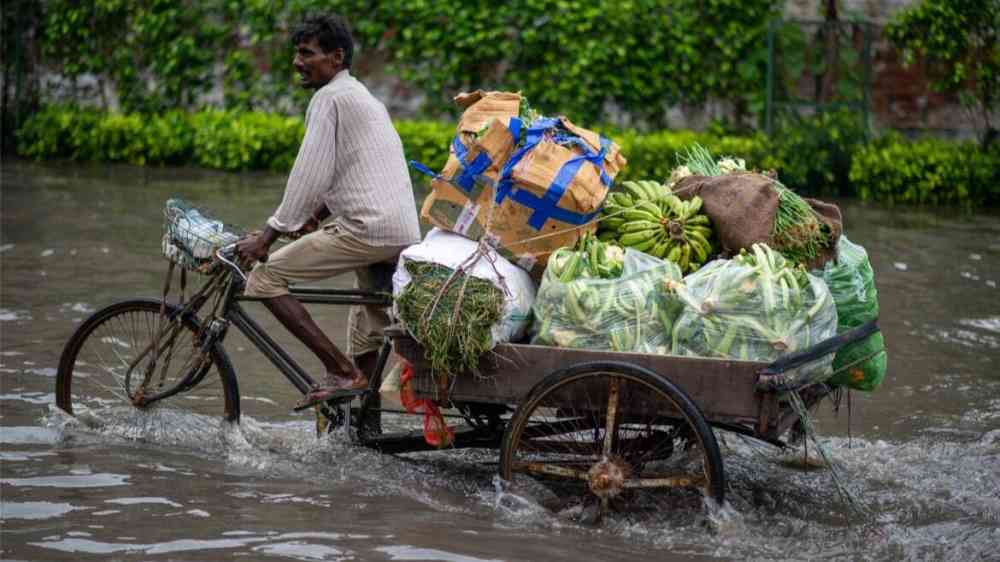
Indian farmer transporting harvest goods on a bike in a flooded street
Update

Odisha pursued a “zero casualty” model and created the Odisha State Disaster Management Authority (OSDMA) in 2000, invested in cyclone shelters, early warning systems and a specialized disaster response force.

United Nations Economic and Social Commission for Asia and the Pacific (UN-ESCAP)
Kalithea, Athens park aerial bird view
Update

In summer 2025, targeted interventions across the Greek capital showed that reducing perceived temperatures can be achieved when science, municipal action and citizen engagement work together.

ICLEI - Local Governments for Sustainability
Strengthening Early Warning Systems for Anticipatory Action - SEWAA project - Mid term achievements thumbnail
Documents and publications

The SEWAA project uses machine learning to improve early warning systems for extreme weather in Eastern Africa. With high-resolution, probabilistic rainfall forecasts on personal computers, SEWAA makes forecasting more accessible and affordable.

World Food Programme (WFP)
Case study
Location: Barbados
The Barbados Meteorological Services has significantly enhanced its capacity to monitor weather conditions across the island, enabling more accurate and community-specific data on temperature, wind direction, wind speed, and rainfall.
  • Barbados - government
Case study
Location: Türkiye
When devastating earthquakes struck Türkiye on February 6, 2023, the nation’s investment in school safety was put to the ultimate test. In the 11 affected provinces, only 60 out of 15,799 school buildings sustained damage.
  • Türkiye - government
Case study
Location: Korea, Rep of
Between 2020 and 2024, Korea made significant strides in protecting children and strengthening community resilience to disasters. One of the most visible achievements was increasing the seismic reinforcement rate of school buildings from 55.8% to 76.2%.
  • Korea, Republic of - government
Case study
Location: Mauritius
Mauritius has overhauled its early warning system with the launch of the Common Alerting Protocol (CAP) in 2023—an internationally recognized framework that enables different agencies to share and disseminate hazard alerts.
  • Mauritius Meteorological Services (MMS)
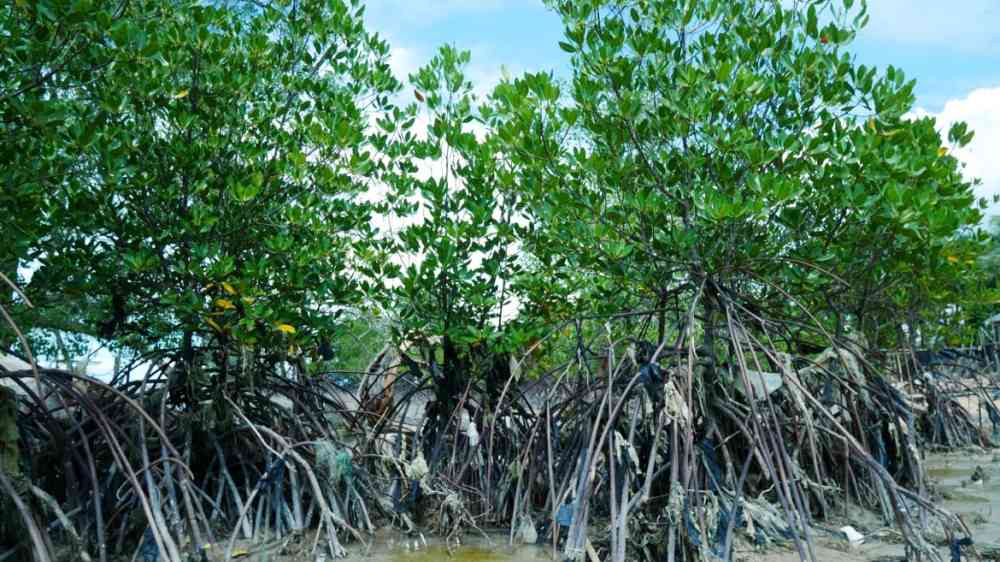
Plastic bag on the mangrove air root
Update

This podcast episode highlights how thick coastal mangrove coverage in a Fijian village has helped to lessen damage from tsunamis and erosion due to rising sea levels.

Australian Broadcasting Corporation
Nature-based solutions to reduce soil erosion thumbnail
Documents and publications

This solution brief explores how Concern Worldwide have worked with communities to identify how Nature-based Solutions can be an effective solution to control canal and riverbank erosion in Bangladesh.

Zurich Climate Resilience Alliance
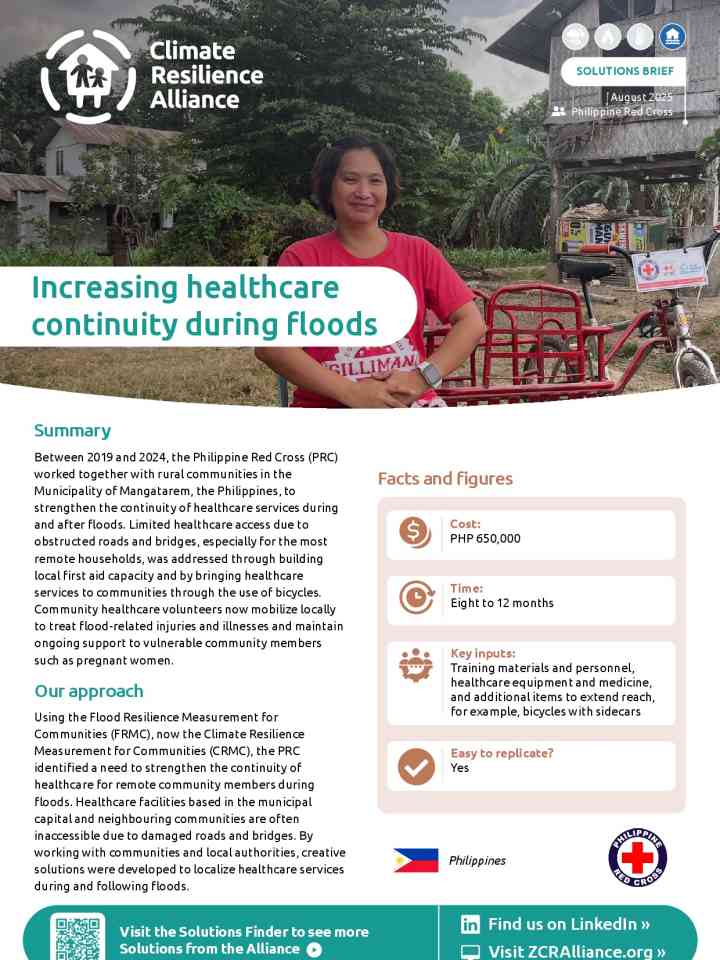
Increasing healthcare continuity during floods thumbnail
Documents and publications

This brief explores how the Philippine Red Cross has worked to strengthen local capacity and increase healthcare continuity during floods.

Zurich Climate Resilience Alliance
Sandbag barricade near Margit bridge as Budapest defends against rising Danube floodwaters after storm 'Boris'.
Research briefs

A new attribution study by the Potsdam Institute for Climate Impact Research (PIK) shows that such adaptation other than structural flood defenses has reduced economic losses from flooding by 63% and fatalities by 52% since 1950.

Potsdam Institute for Climate Impact Research
Early warning in Indonesia
Update

Traditionally, early warning systems (EWS) have focused on saving lives. While reasonable, this narrow framing often leaves potential co-benefits untapped.

United Nations Economic and Social Commission for Asia and the Pacific (UN-ESCAP)
Viet Nam: Central Mekong Delta Region Connectivity Project
Update

Backed by a $250 million loan from the World Bank and implemented between 2016 and 2024, the initiative constructed a flood-defense system along the Can Tho and Khai Luong rivers to shield the city’s urban core.

World Bank, the
illustration
Submit a solution
Do you have a solution to share with the DRR community? Submit published content on a disaster risk reduction solution in the form of a news article or a publication. See our content submission policy. PreventionWeb editors will review your content and get back to your promptly.
Coloured houses on a windy day
Disaster risk reduction and disaster risk management
The policy objective of anticipating and reducing risk is called disaster risk reduction (DRR). Disaster risk management (DRM) can be thought of as the implementation of DRR, since it describes the actions that aim to achieve the objective of reducing risk.

Featured stories

Houses that can float could protect vulnerable people from flooding

This concept retrofits houses with flotation devices and tethers them to poles - allowing the house to rise with floodwaters and descend to their foundations when the flood subsides.

Can wildfire prevention offer sustainable business opportunities?

Because of climate change, wildfires are becoming more intense and frequent. Prevention measures often come with a hefty price tag. Across Europe, fire-smart solutions make wildfire prevention more sustainable, by offering ecological, economic and social benefits.

Rain-related early warning in Japan

“The risk is imminent” translates as KiKIKURU in Japanese. It’s the name of an innovative early warning system for rain-related hazards in Japan. KIKIKURU was developed by the Japan Meteorological Agency (JMA). The system provides real-time hazard updates using a high spatial resolution of 1 km.

Developing local-level solutions
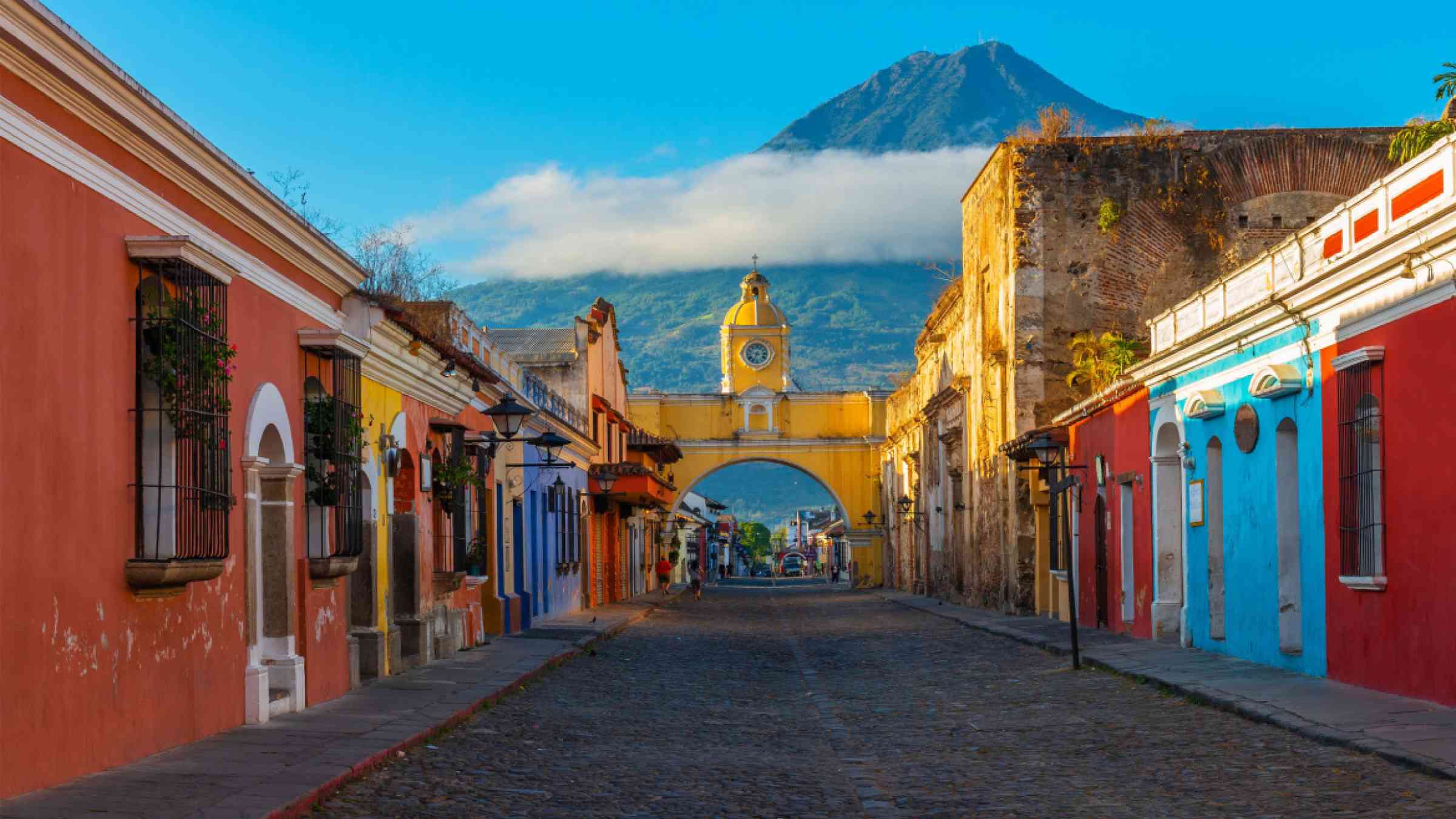
Is your city resilient? Does its resilience help its citizens to prosper and flourish? Making Cities Resilient 2030 (MCR2030) is a unique cross-stakeholder initiative for improving local resilience. See how cities around the world build their capacities to tackle disasters.

MCR2030 is a place where cities can find guidance and support to enhance understanding on risk reduction and resilience, to improve strategic planning to reduce risk and build resilience, and to take actions and progress along the resilience roadmap.

See below news from cities that have taken the leap to reduce disaster risk.