Scaling up DRR in humanitarian action
The world is experiencing an unprecedented moment of fragility and uncertainty. Climate-fuelled disasters are more frequent and intense, while the COVID-19 pandemic has demonstrated the interconnected and cascading nature of risk.
According to the Global Humanitarian Overview (GHO) 2025, 305 million people will need humanitarian assistance and protection in 2025 — driven by the rise of armed conflicts and intensifying weather-related disasters.
The impact of disasters on vulnerable populations threatens to increase humanitarian needs and to reverse progress towards achieving the Sustainable Development Goals (SDGs). Opportunities to ensure that humanitarian analysis, planning and action is risk-informed need to be systematically seized as countries affected by crises and protracted conflicts are among those most vulnerable to the impacts of disasters.
Scaling up disaster risk reduction (DRR) in humanitarian and fragile contexts is critical as it complements emergency response with a focus on reducing exposure and vulnerability. DRR integration also helps to ensure that no one is left behind, as marginalization and social inequalities reinforce vulnerable populations’ exposure to disasters. Increased resilience will ultimately contribute to the wider goal of eradicating global poverty and exclusion.
“To promote the incorporation of disaster risk management into post-disaster recovery and rehabilitation processes, [it is important to] facilitate the link between relief, rehabilitation and development, [to] use opportunities during the recovery phase to develop capacities that reduce disaster risk in the short, medium and long term.”
Sendai Framework for Disaster Risk Reduction
How to integrate DRR in humanitarian action
The integration of DRR in humanitarian action remains a work in progress as only a few good practices stemming from concrete previous experiences are available and replicable. This page attempts to cover that gap by providing resources and good practices to advance progress.
Scaling up DRR in humanitarian action involves two aspects:

Reducing populations’ vulnerability and building resilience to disasters and hazards in humanitarian settings
Under the first aspect, interventions would relate to disaster risk management activities to reduce the suffering and build the capacities of vulnerable populations, making sure that they are resilient to hazards and underlying risk drivers. For instance, this refers to ensuring that risk analysis forms an integral part of planning and ensuring that resilience-building is an integral part of programming at country and local levels.
Introducing approaches to risk-inform humanitarian action
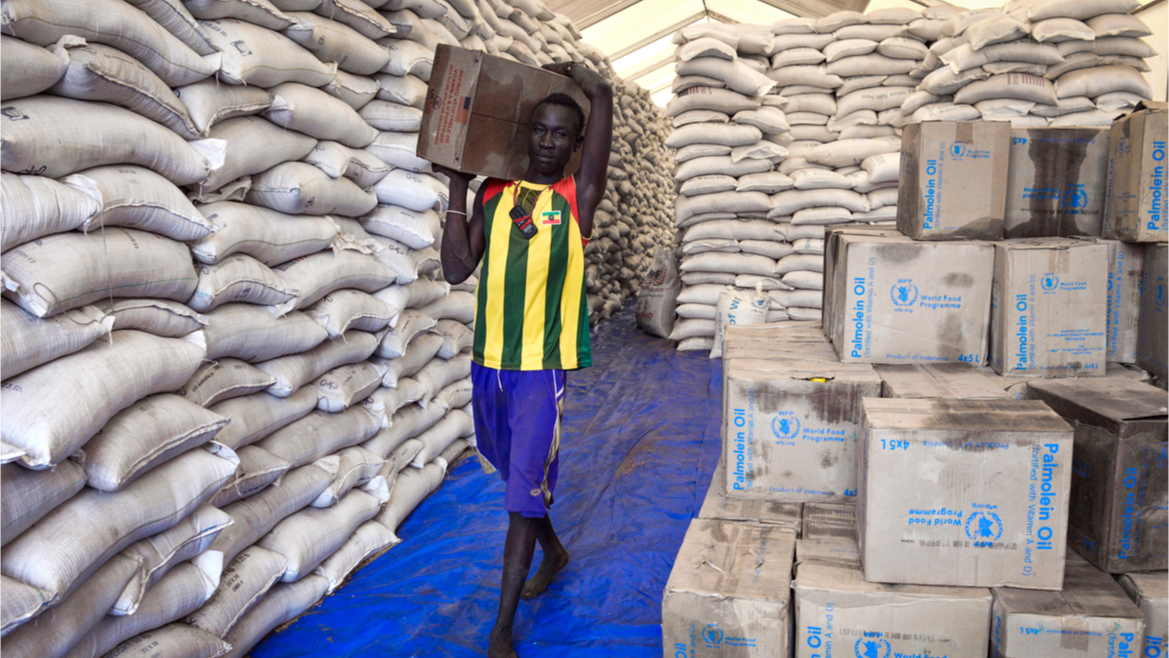
The second aspect concerns endeavours that ensure that humanitarian strategies and programmes are sufficiently risk-informed and that humanitarian actors understand the notion of systemic risk and use it to inform their decisions. For example, this includes an analysis of potential multi and cascading hazards and determining how humanitarian situations might evolve and how this will inform planning.
Build your capacity
This training is designed to assist relevant actors in adopting a risk-sensitive approach when preparing Humanitarian Needs and Response Plans (HNRPs) as part of the Humanitarian Programme Cycle (HPC).
It outlines key steps for analyzing potential hazards and their risk levels, determining how humanitarian situations might evolve over a given period of time, and informing contingency planning, preparedness measures, and early actions ahead of possible developments to reduce risk. It also helps to ensure strategies and programs are sufficiently robust to withstand changes in the operational environment.
In addition, the two-pager guidance on how to apply the Checklist on Scaling Up Disaster Risk Reduction in Humanitarian Action offers comprehensive direction for humanitarian, development, and peace actors. It outlines key steps for effectively applying this tool to reduce risks and integrate risk reduction into global and national planning and programming.

Know the key publications
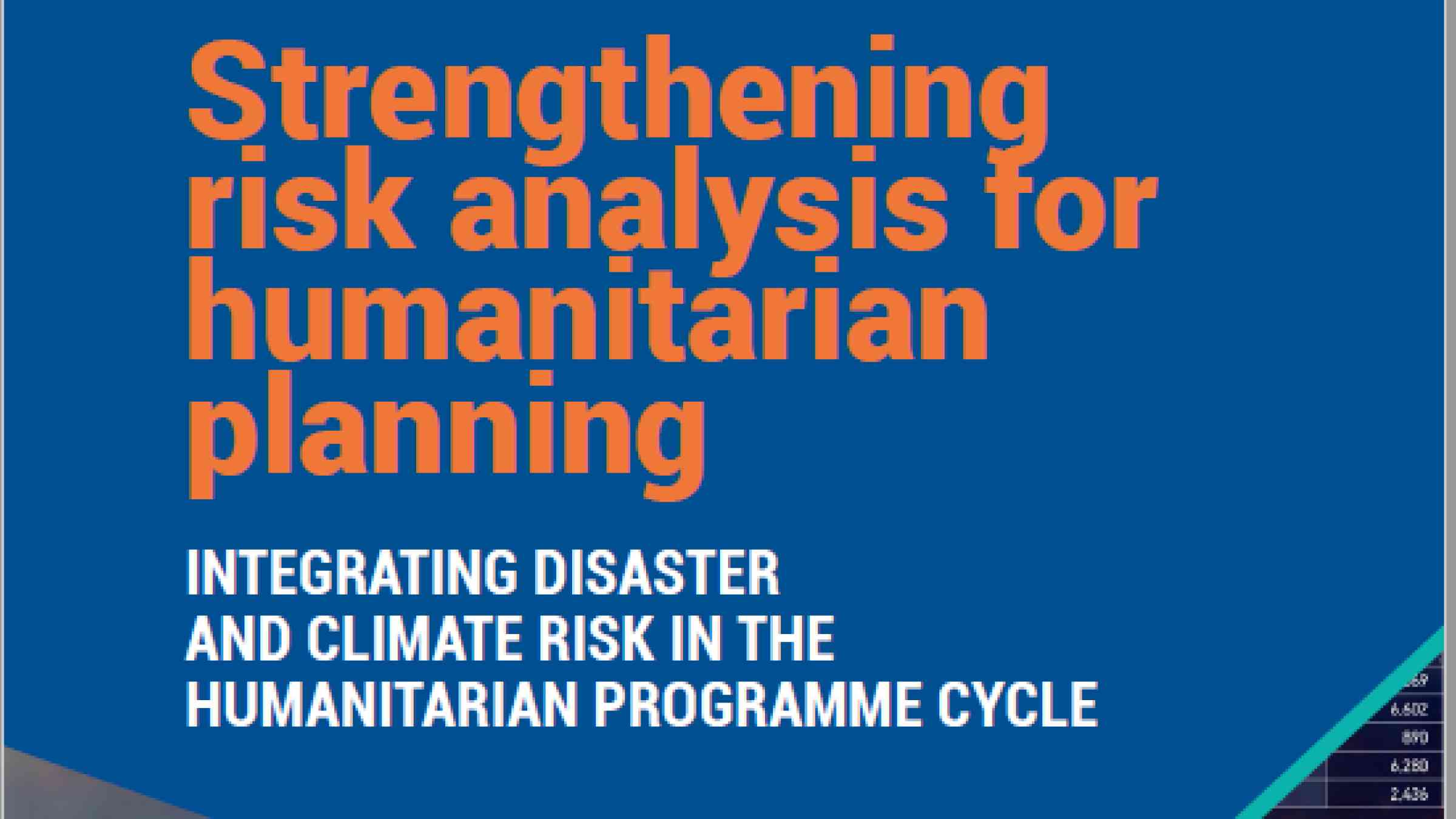
Read the case studies
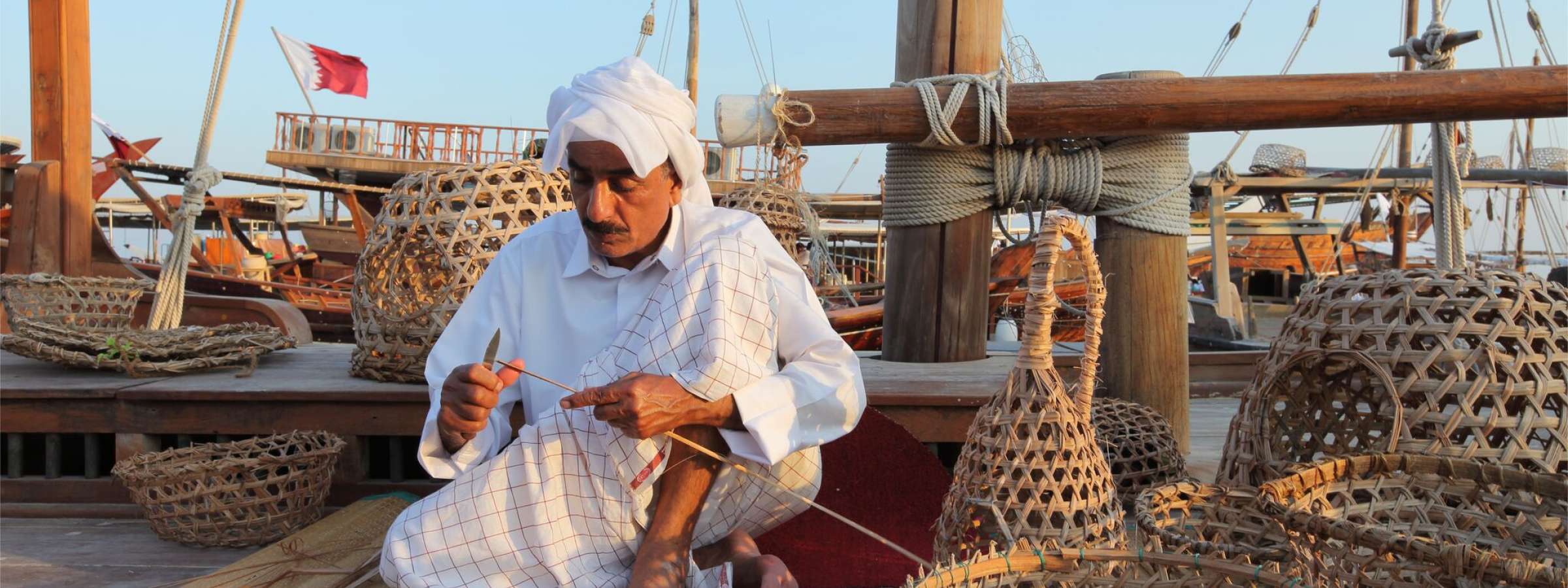
Bahrain
The government of Bahrain have developed a National Civil Protection Platform that strengthens disaster preparedness through real-time alerts, practical guidance and active community engagement. By linking early warning with public action, the platform turns preparedness into anticipatory action, empowering people to act before a crisis unfolds. It provides access to safety-related information through a modern, technology-driven approach, reinforcing a culture of security across society.
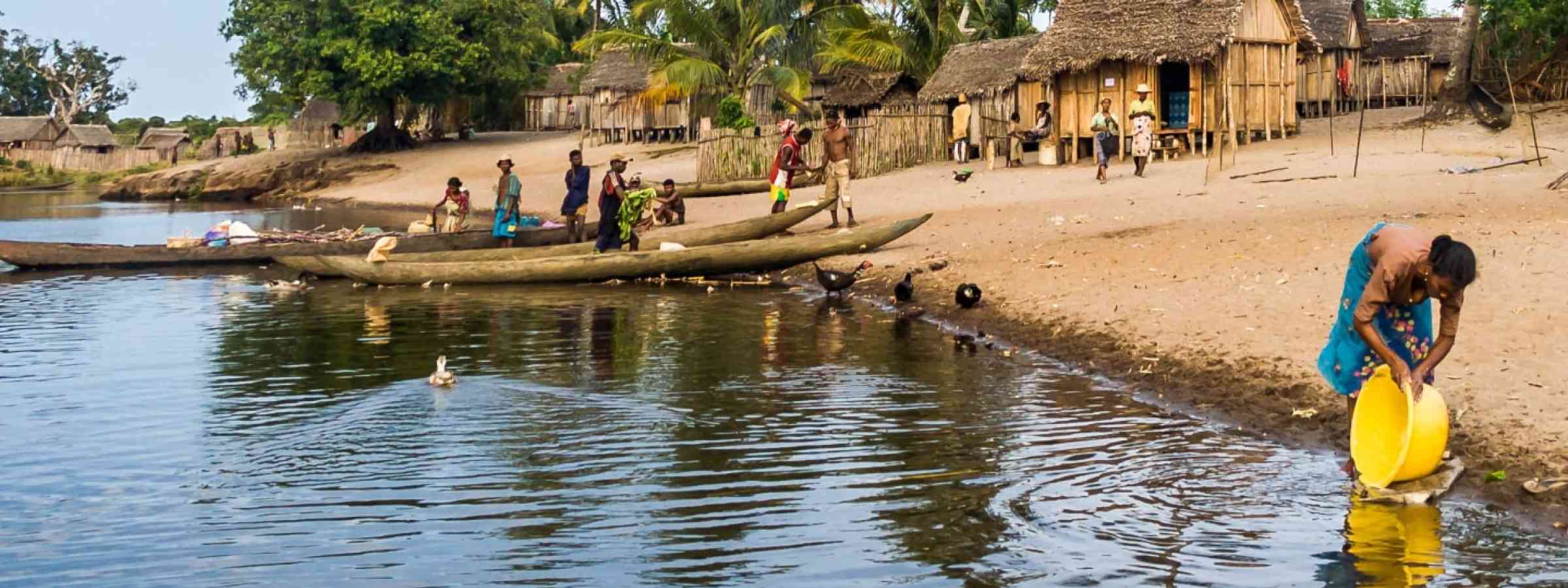
Madagascar
Supported through the UNDRR-Global Shelter Cluster partnership, Madagascar’s DRR Technical Working Group (DRR/TWIG) developed a shelter-focused disaster risk reduction strategy, including preparedness and response SOPs and a humanitarian action plan (2025–2030). These SOPs were pilot-tested in Atsimo Andrefana and Androy regions by volunteer NGOs — Action Against Hunger, Catholic Relief Services, and Humanity & Inclusion — validating their effectiveness for coordinated response while identifying areas for further refinement

Nigeria
Nigeria hosted a UNDRR and Global Shelter Cluster Green Team DRR workshop, including a field visit and simulation exercise (SIMEX), bringing together 30 government, humanitarian, and environmental actors to strengthen disaster risk reduction capacity for humanitarian shelter. The workshop introduced the DRR scaling-up checklist, enhanced technical skills and identified priority actions to advance risk-informed shelter interventions in conflict- and climate-affected areas.

Yemen
UNHCR, in partnership with the Global Shelter Cluster and UNDRR, is supporting Yemen’s shelter cluster in implementing flood mitigation measures at high-risk IDP sites to protect vulnerable communities from recurring floods. This initiative engages local communities to reinforce shelters and infrastructure, reducing flood impacts and enhancing long-term resilience. With targeted interventions and community participation, this two-phases project aims to improve living conditions, safeguard lives and set the stage for scaling disaster risk reduction across Yemen’s most vulnerable areas.