1. Home
  2. Knowledge Base | PreventionWeb
  3. Themes

Fragility and conflict

Disaster risk reduction in a context of exposure to risk combined with insufficient coping capacity of the state, system and/or communities to manage, absorb or mitigate those risks.

Latest Fragility and conflict additions in the Knowledge Base

Meetings and conferences
Copenhagen
Online
Early Warning and Early Action (EWEA) is among the most effective approaches for saving lives and protecting livelihoods. Yet, until recently, EWEA in conflict-affected and fragile settings has received limited attention in research and policy.
A woman walks on a flooded road with her child after the rain in Lagos, West of Nigeria on October 6, 2022.
Update

Polycrisis -multiple and often overlapping crises- create new vulnerabilities. They have severe effects on countries in sub-Saharan Africa with high poverty levels where weak institutions and limited public resources make it hard to respond effectively.

Conversation Media Group, the
Enhancing flood management in Uganda with integrated early warning systems to contribute to women, peace and security (WPS) thumbnail
Documents and publications

This brief presents the results of a Government of Japan-funded FAO project on ''Enhancing flood management in Uganda with integrated early warning systems to contribute to women, peace and security''.

Food and Agriculture Organization of the United Nations (FAO)
“With the times we are living in now, every year is worse” Frontline community views on climate impacts, priorities and opportunities thumbnail
Documents and publications

This paper shares evidence from across communities in fragile and conflict-affected contexts setting out how climate change is affecting their lives, how people are taking action to adapt and cope, and the types of support they are calling for.

Ground Truth Solutions
The complex links between food security, migration, and fragility in Northern Central America thumbnail
Documents and publications

This report examines the interlinked dynamics of fragility, food insecurity, shocks, and migration in the Northern Central America (NCA) region, composed of El Salvador, Guatemala, and Honduras.

World Bank, the
Update

This opinion piece argues that mistrust in Ebola response in the Democratic Republic of the Congo is rooted less in misinformation than in histories of conflict, neglect and unequal care, calling for locally led, trust-based public health action.

The New Humanitarian
Cover
Documents and publications

This policy brief examines the provision of water in the arid and semi-arid lands of eastern Africa, offering a different way of addressing a long-standing problem.

ODI Global
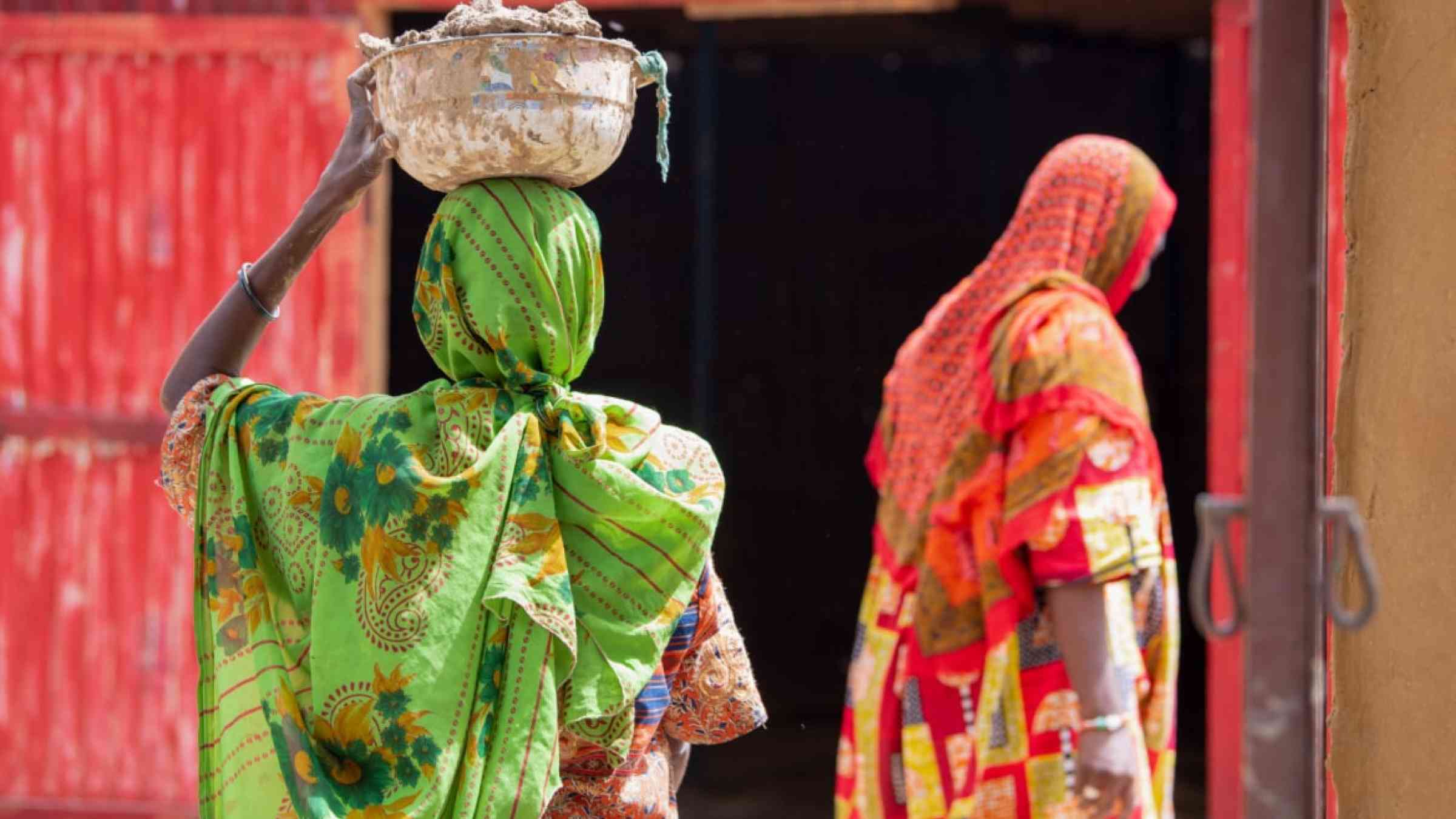
Women dressed in traditional closes entering their house in the Chad. One is carrying a basket on her head.
Update

The lives and livelihoods of local communities in the borderlands of the Lake Chad Basin are disrupted by both climate change and conflict , which are mutually reinforcing.

International Peace Institute
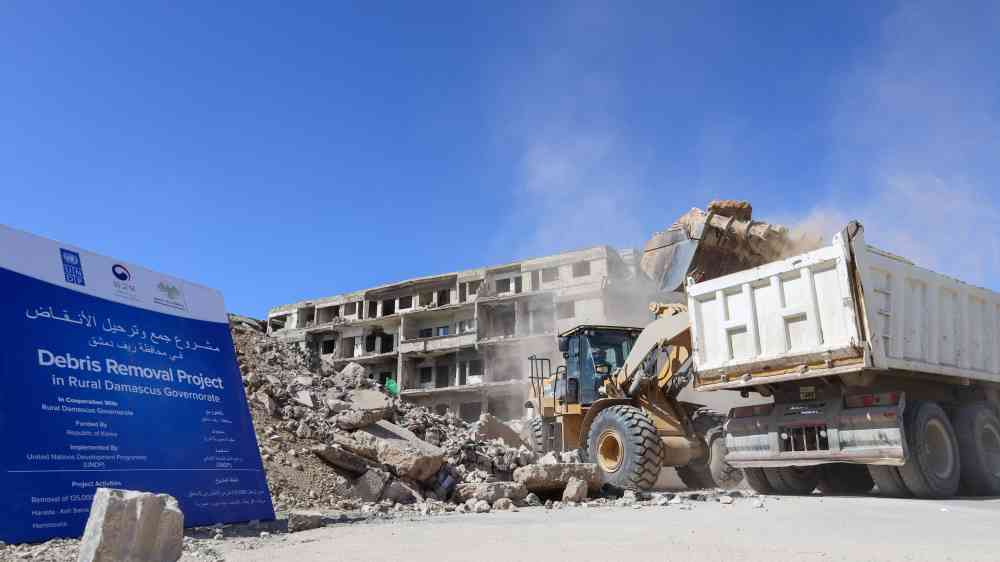
Clearing of rubble in Syria through a donor funded project.
Feature

Syria became one of the earliest countries to implement UNDRR's DELTA Resilience system, which will help it better understand and reduce the disaster risks it faces as it recovers from years of war.

United Nations Office for Disaster Risk Reduction (UNDRR)
Disaster–Fragility, Conflict, and Violence (FCV) nexus diagnostic for Myanmar (Summary) thumbnail
Documents and publications

This report examines the current state of disaster risk management (DRM) efforts in Myanmar through October 2025, exploring the compounded risks arising from the intersection of hazards, conflict, and poverty.

Global Facility for Disaster Reduction and Recovery, the (GFDRR)
World Bank, the
Update

Millions of Afghans forced back across the border are returning to a country where conflict, climate and hardship make rebuilding fragile from the start.

Dialogue Earth
Global
Active
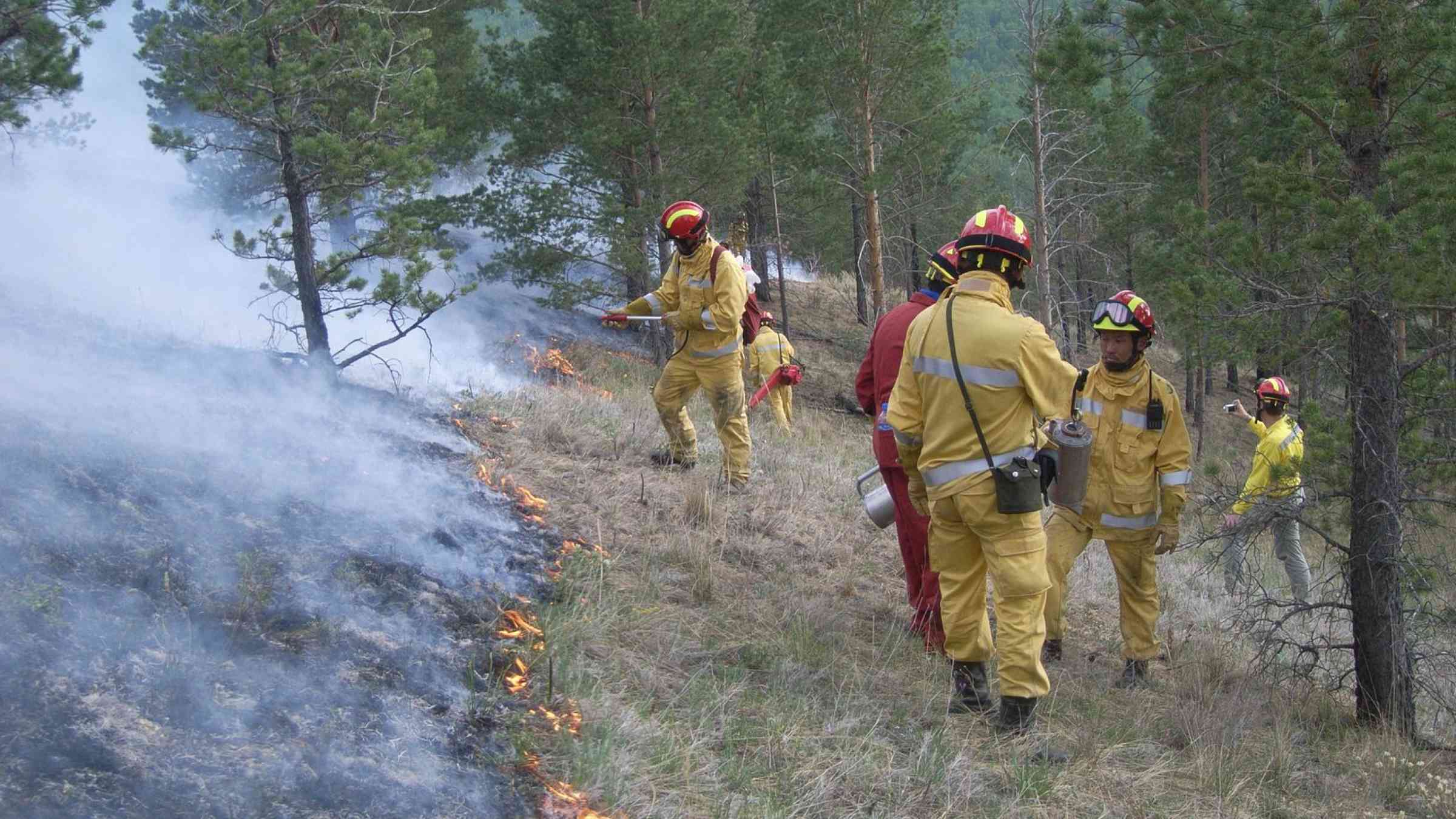
The mission of the IWPM is to support, on request, agencies and countries to build national capacity and resilience to wildfire through the exchange of best practice in landscape fire management
Case study
Location: Ethiopia
This study was conducted to scientifically develop a pathway to urban climate resilience by exploring pragmatic approaches from communities and local humanitarian organizations experiencing the compounding risks of armed conflict and climate change.
  • Global Disaster Preparedness Center (GDPC)
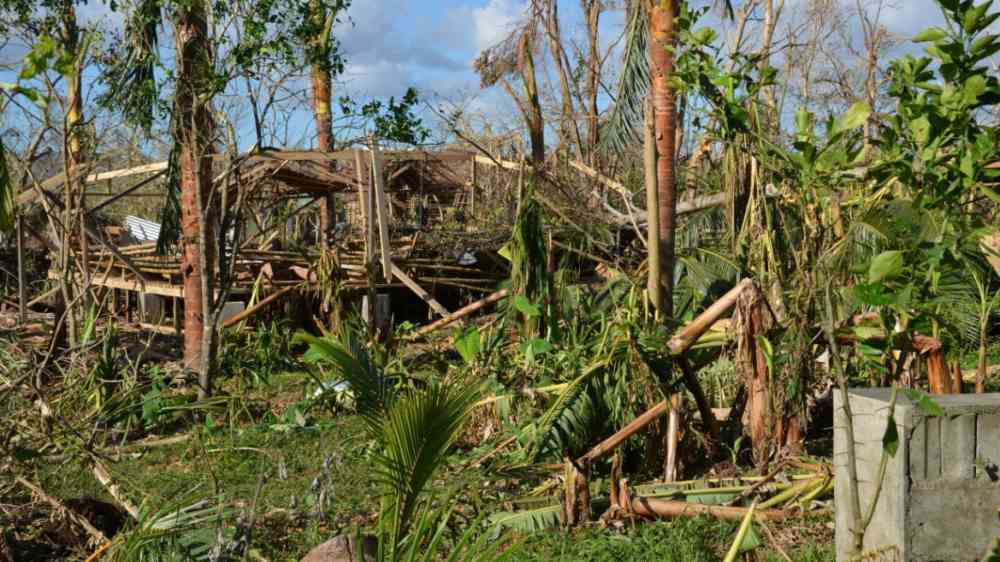
Destroyed house by cyclone Pam that struck Vanuatu in March 2015.
Update

In Vanuatu, security can no longer be defined solely through traditional notions of defence and law enforcement. The country’s long-term stability increasingly depends on its capacity to adapt to climate change.

Pacific Security College
Case study
This case study demonstrates how disaster losses and damage data can be applied to understand child displacement risk and inform forward-looking planning.
  • United Nations Children's Fund (UNICEF)
  • United Nations Office for Disaster Risk Reduction (UNDRR)
Meetings and conferences
-
Online
The Somalia Climate, Peace and Security (CPS) series serves as a strategic platform to increase momentum around the climate dialogue in Somalia.
Fragility and Conflict
Update

In Africa’s Sahel region, where communities are affected by both insecurity and environmental degradation, climate-induced displacement is increasing exposure to explosive hazards. At the same time, flooding and shifting landscapes can move or expose UXO.

United Nations Development Programme (UNDP)
Training event
Online
Building upon the workshop on “EWEA in LDCs in Conflict and Post-conflict Situations in Africa”, held in December 2025 in Nairobi, Kenya, this webinar will share key findings, advance discussion on practical solutions, and support follow-up actions.
Quantifying global internal displacement risk at the hazard-vulnerability-conflict nexus thumbnail
Documents and publications

This study introduces a novel, diagnostic hazard-specific displacement risk index that integrates high-resolution hazard data with social vulnerability metrics and historical displacement records.

International Journal of Disaster Risk Reduction (Elsevier)
From fragility to resilience through the lens of climate and mobility thumbnail
Documents and publications

This report outlines how climate change, conflict and fragility converge in the same regions, driving displacement and heightening disaster risk in countries least able to manage shocks.
European Commission Joint Research Centre
Climate adaptation and security in the Sahel and Horn of Africa thumbnail
Documents and publications

This report shows how climate shocks intensify fragility in the Sahel and Horn of Africa, and argues that locally led adaptation, stronger governance, and regional cooperation are essential to reduce risks and build long‑term stability.

Global Center on Adaptation
Drone aerial video of Rangiroa atoll island motu and coral reef in French Polynesia, Tahiti.
Update

Pacific Island countries have received scarce attention in research on climate change and conflict. This is surprising given the Pacific Island countries’ high climate vulnerability and increasing geopolitical relevance.

Toda Peace Institute
Update

Researchers from Mozambique, South Africa, the Netherlands, Sweden, Denmark, the United States, and the United Kingdom collaborated to assess the extent to which human-induced climate change altered the likelihood and intensity of a heavy rainfall event.

World Weather Attribution
Agro-pastoralists' adaptation to flooding and conflict in Gogrial East, Warrap State, South Sudan – Technical report thumbnail
Documents and publications

This report explores the perspectives of agro-pastoralist men and women in Toch East and Pathuon West Payams in South Sudan on how flooding and conflict impact their lives and livelihoods.
Supporting Pastoralism and Agriculture in Recurrent and Protracted Crises (SPARC)
From crisis to resilience: Climate solutions for positive peacebuilding thumbnail
Documents and publications

This publication brings together practical, country-led experiences that illustrate how climate action can also contribute to peace and stability in fragile and conflict-affected settings.
United Nations Development Programme (UNDP)
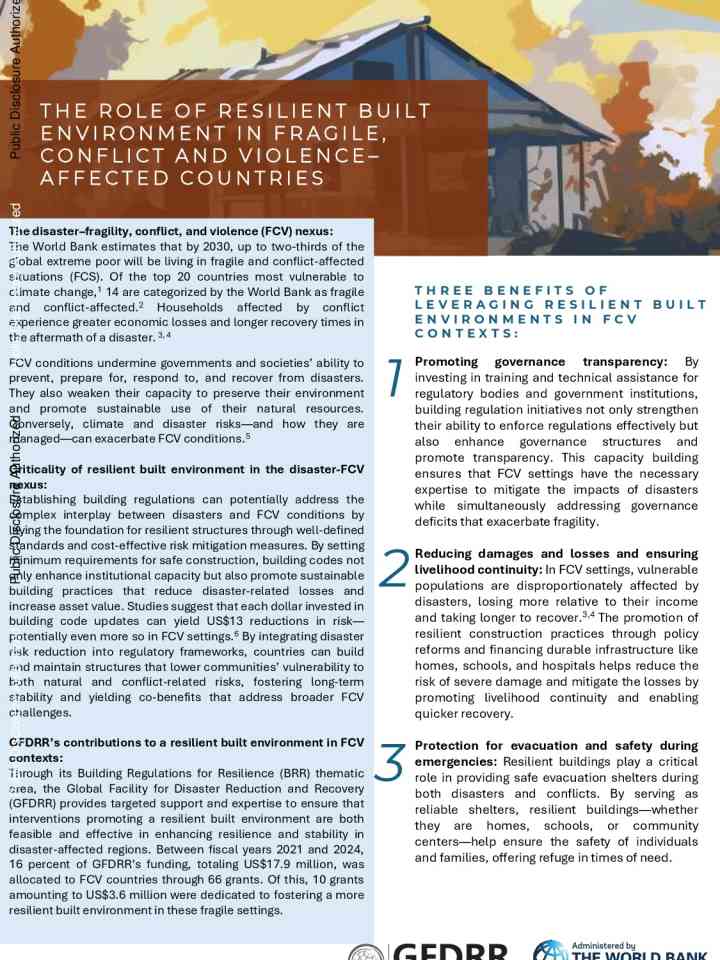
The role of the resilient built environment infFragile, conflict, and violence-affected countries thumbnail
Documents and publications

This factsheet summarizes the role of Building Regulations for Resilience (BRR) in Fragile, Conflict, and Violence (FCV) contexts, where climate and disaster risks intensify existing socioeconomic vulnerabilities.

Global Facility for Disaster Reduction and Recovery, the (GFDRR)
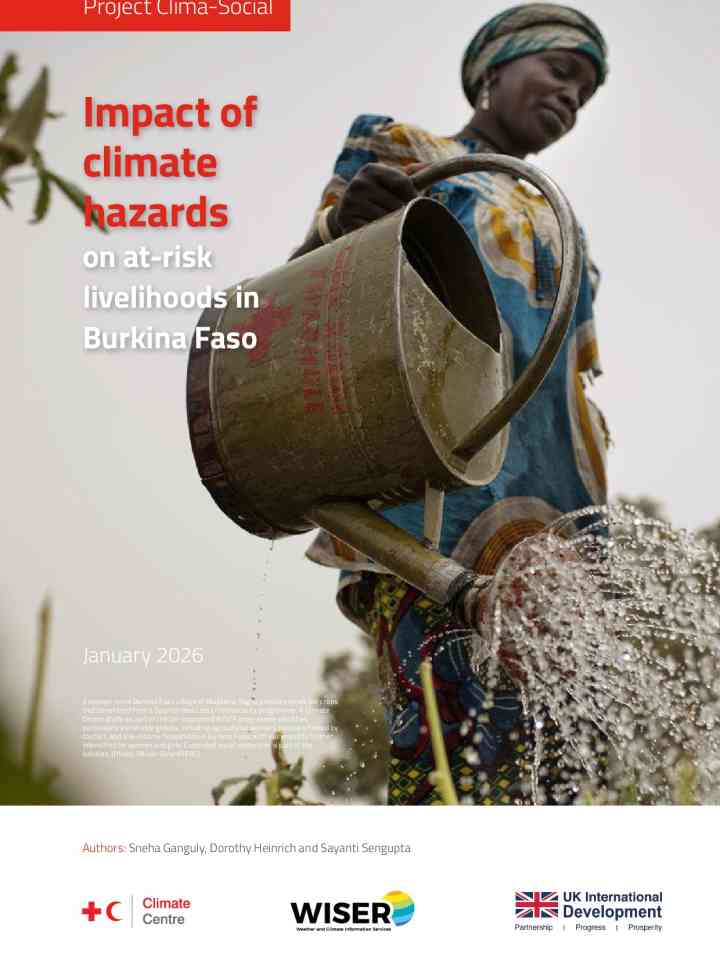
Ecosystem-based approaches to adaptation: Strengthening the evidence and informing policy. Research results from the ecosystems protecting infrastructure and communities project, Burkina Faso  thumbnail
Documents and publications

This report presents research conducted to understand how certain livelihoods are impacted by climate hazards in Burkina Faso.

International Federation of Red Cross and Red Crescent Societies (IFRC)
Climate and social sustainability in fragility, conflict, and violence contexts thumbnail
Documents and publications

This paper examinies links between climate change, conflict, and social sustainability, with a focus on inclusion, resilience, cohesion, and legitimacy.

World Bank, the
Thin cows walking on dry cracked earth looking for fresh water due lack of rain.
Update

Projections highlight the feedback loop between lower growth and increased conflict risk in Africa under climate change.

VoxDev/ CEPR
The role of resilient housing reconstruction in Disaster Risk Management in fragile, conflict, and violence-affected countries thumbnail
Documents and publications

This factsheet outlines the critical role of resilient housing reconstruction in disaster risk management within Fragile, Conflict, and Violence (FCV) contexts.

World Bank, the
Group picture Mali DRR workshop
Update

This article highlights Mali's decisive, coordinated action to tackle increasingly destructive floods by uniting national institutions and humanitarian partners around a shared, forward-looking approach that blends DRR and anticipatory action.

United Nations Office for Disaster Risk Reduction (UNDRR)
Global Shelter Cluster
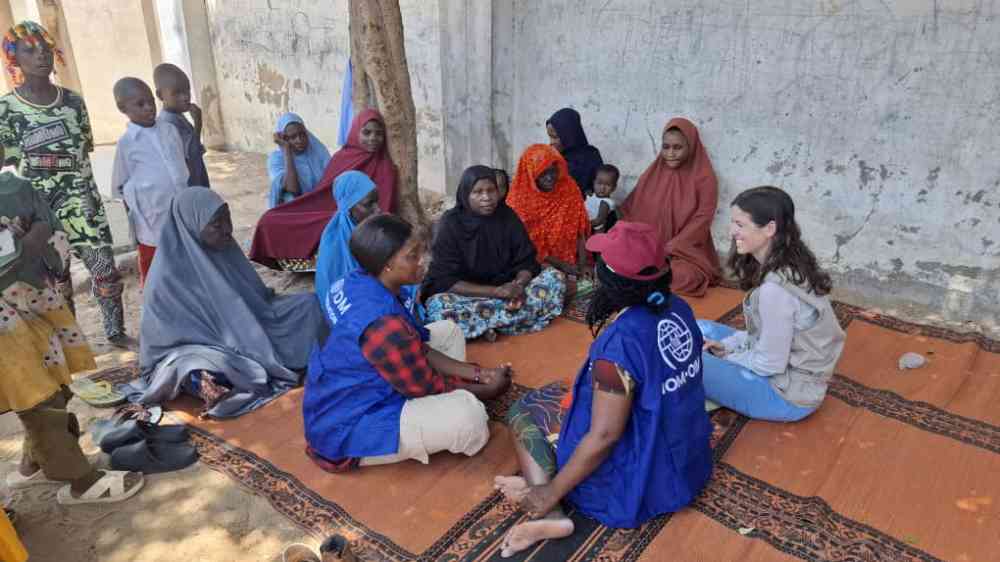
Engagement with IDPs in Nigeria
Update

This article highlights the collaboration between UNDRR-GSC and the CCCM/Shelter/NFI sector in North-East Nigeria in 2025 to integrate DRR into humanitarian shelter, settlement and NFI programming.

United Nations Office for Disaster Risk Reduction (UNDRR)
Global Shelter Cluster
Update

Adaptation finance - money to help lower-income countries prepare for and live with climate change impacts - has lagged for years, with just $26 billion provided in 2023 (when hundreds of billions are needed annually).

The New Humanitarian
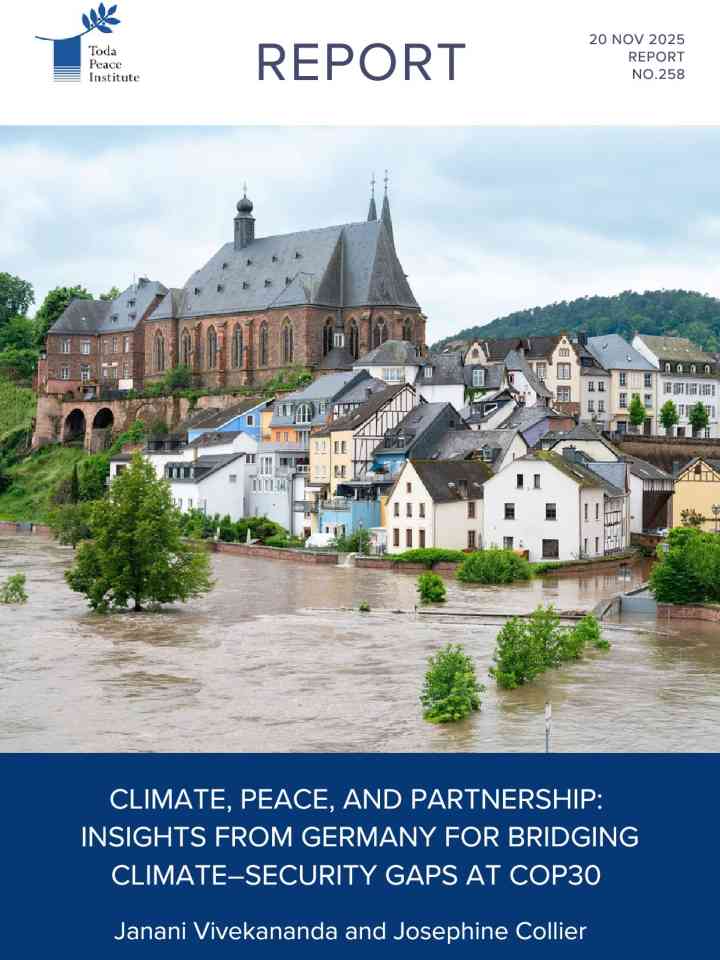
Climate, peace, and partnership: Insights from Germany for bridging climate–security gaps at COP30 thumbnail
Documents and publications

This report examines the climate–security nexus through the lens of Germany’s experience, offering insights that are increasingly relevant to global responses.

Toda Peace Institute
The compounded impact of climate change and armed conflict on the agri-food sector in northwest Syria thumbnail
Documents and publications

Rooted in local realities and community voices, this report highlights how conflict and climate interact and identifies practical entry points for recovery and resilience in Syria’s agri-food sector.

Supporting Pastoralism and Agriculture in Recurrent and Protracted Crises (SPARC)
Update

Record breaking flooding and typhoons in Vietnam and the Philippines underlines a vital truth for Australia's strategic community - that civil-emergency preparedness and national resilience are essential components of defence posture.

The Interpreter
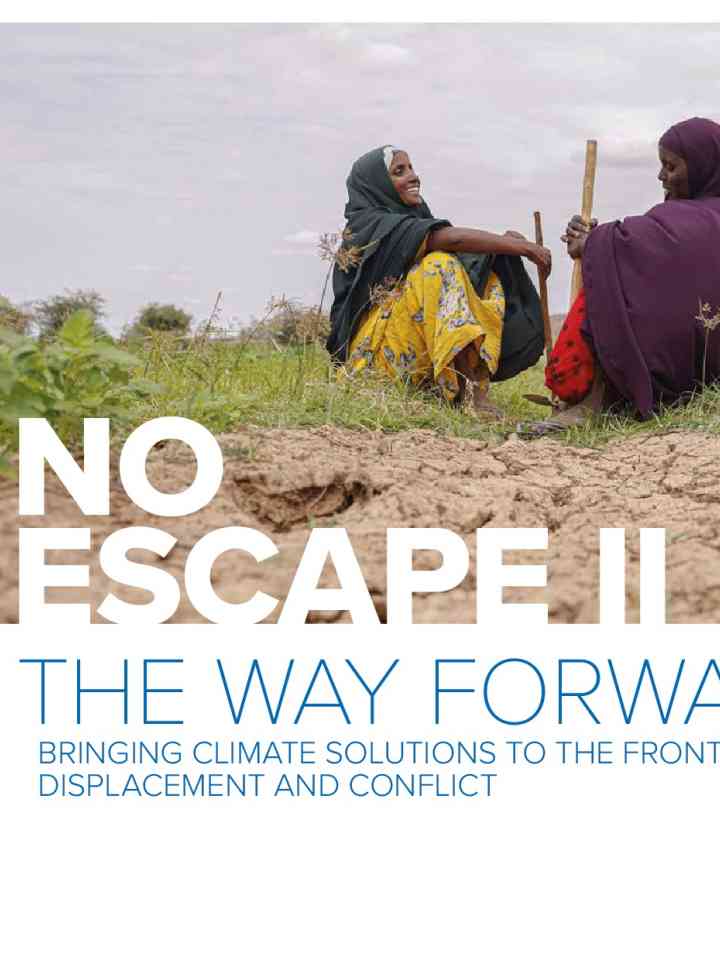
No Escape II – The way forward thumbnail
Documents and publications

This report shows that an evidence-based, whole-of-society approach that allows all to participate and leaves no one behind is both possible and essential.

United Nations High Commissioner for Refugees (UNHCR)
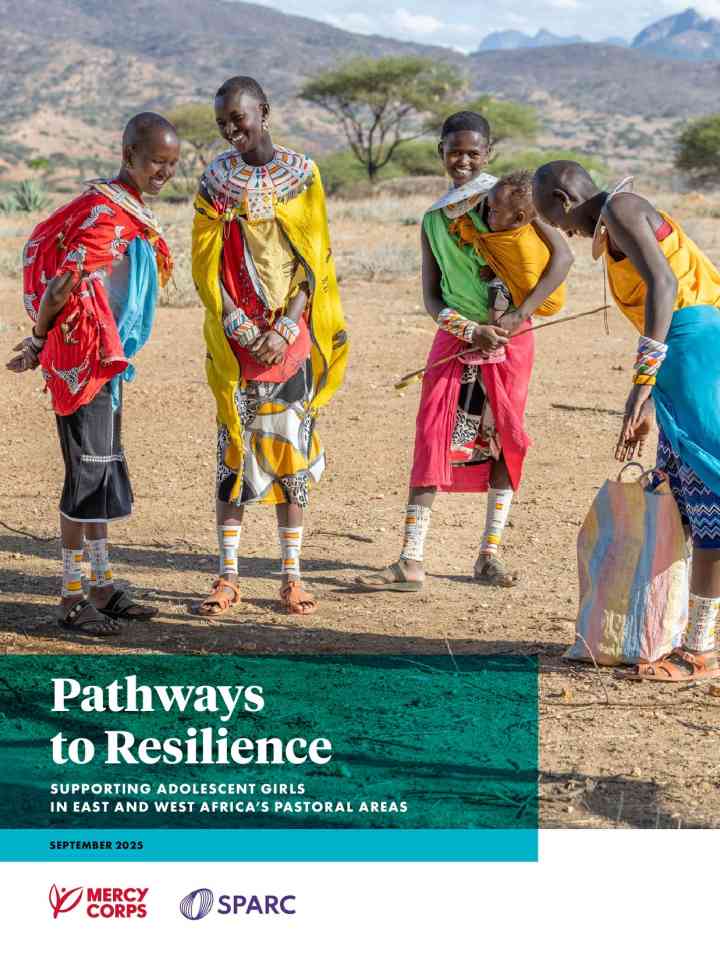
Pathways to resilience: Supporting adolescent girls in East and West Africa's pastoral areas thumbnail
Documents and publications

This report synthesizes findings guided by two core questions: Why invest in adolescent girls' well-being and resilience in fragile pastoral areas of East and West Africa? And what works to support their well-being and resilience in these contexts?

Mercy Corps
Supporting Pastoralism and Agriculture in Recurrent and Protracted Crises (SPARC)
The role of social inclusion initiatives in fragile, conflict, and violence-affected countries thumbnail
Documents and publications

This factsheet underscores the importance of social inclusion in Disaster Risk Management (DRM) across Fragile, Conflict, and Violence (FCV) contexts, where the World Bank projects that up to two-thirds of the global extreme poor may live by 2030.

Global Facility for Disaster Reduction and Recovery, the (GFDRR)
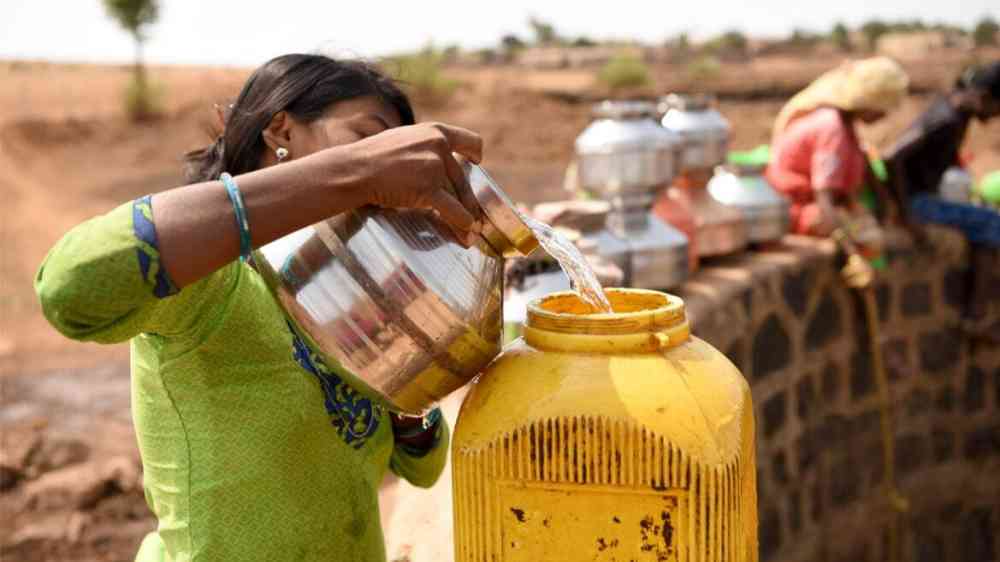
A woman fetches water from a nearly dry well at Shahapur Taluka, Maharashtra, India
Update

Climate change is reshaping weather patterns around the world. Aside from disturbing ecosystems, these environmental shifts risk triggering psychological reactions in people that can escalate into violent conflict.

Conversation Media Group, the
Mount Nyiragongo, eastern Democratic Republic of the Congo (DRC), with the city of Goma in the foreground
Dr Charles Balagizi
Volcanic hazards haven’t received the same attention as floods or storms in the global Early Warnings for All (EW4All) initiative. That began to change at a recent workshop in Geneva.
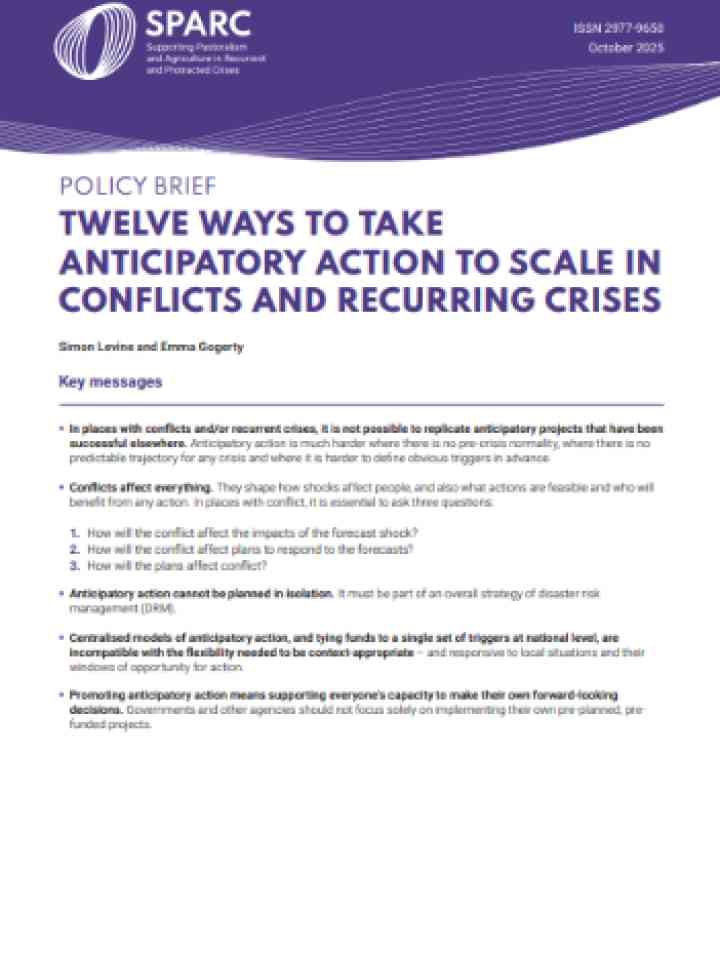
Cover
Documents and publications

This brief uses ‘anticipatory action’ broadly to refer to actions taken in advance of an anticipated shock or crisis, however they are financed and whether they are implemented by humanitarian or other actors.

Supporting Pastoralism and Agriculture in Recurrent and Protracted Crises (SPARC)
Cover
Documents and publications

This brief considers what it means for early warning systems (EWS) to be ‘people-centred’ and highlights how essential it is that an EWS is designed and operated as part of a wider disaster risk reduction strategy.

Supporting Pastoralism and Agriculture in Recurrent and Protracted Crises (SPARC)
Climate chains: Mapping the relationship between climate, trafficking in persons and building resilience thumbnail
Documents and publications

This report explores the complex links between climate change, livelihood, vulnerability, migration and human trafficking, focusing on Ethiopia and the Philippines.

International Organization for Migration (IOM)
Cover
Documents and publications

This brief suggests how to think differently about disaster risk reduction (DRR) in conflicts, rather than how to implement it, and draws on evidence that it is necessary and possible even in conflicts and recurring crises.

Supporting Pastoralism and Agriculture in Recurrent and Protracted Crises (SPARC)
ODI Global
Pathways to respond to climate change, forced displacement, and conflict challenges thumbnail
Documents and publications

This study develops a decision framework to inform on long-term climate responses in contexts affected by conflict and forced displacement, building onWorld Bank policy reports and the author's professional experience.

Environment and Security (Sage Journals)
Update

Extreme weather and the green transition are reshaping global conflict. The authors summarise the evidence on this trend and explore how policy can respond in this article.

VoxDev/ CEPR
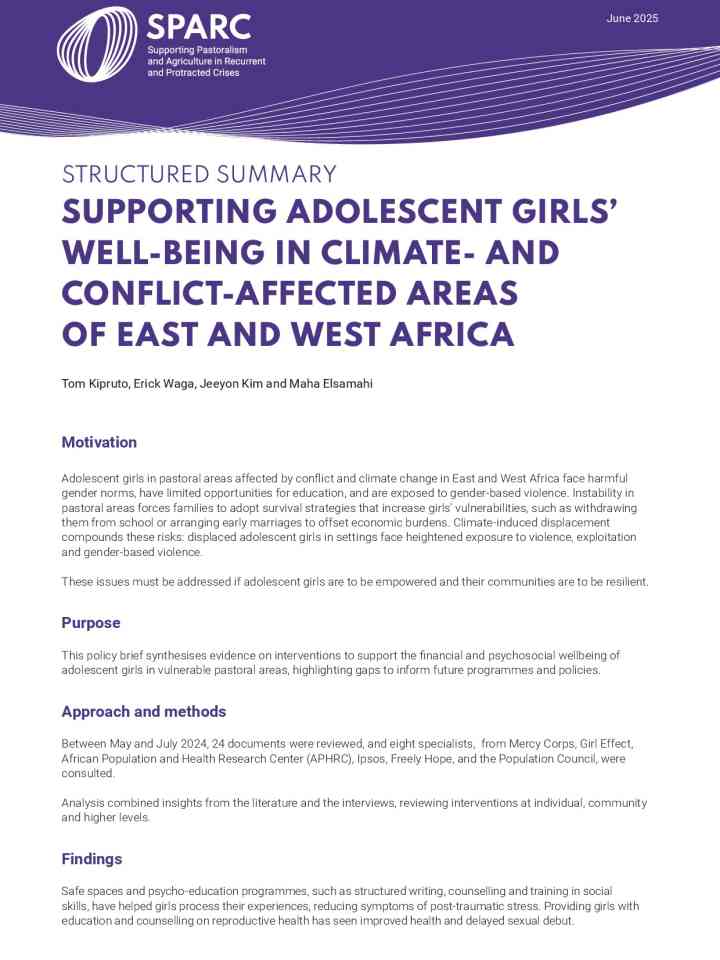
Supporting adolescent girls’ well-being in climate- and conflict-affected areas of East and West Africa (Summary) thumbnail
Documents and publications

This policy brief synthesises evidence on interventions to support the financial and psychosocial wellbeing of adolescent girls in vulnerable pastoral areas, highlighting gaps to inform future programmes and policies.

Supporting Pastoralism and Agriculture in Recurrent and Protracted Crises (SPARC)
Update

Solutions include food aid, farm recovery, climate-smart practices, fair pricing, rural finance, and resilient infrastructure.

Development Asia
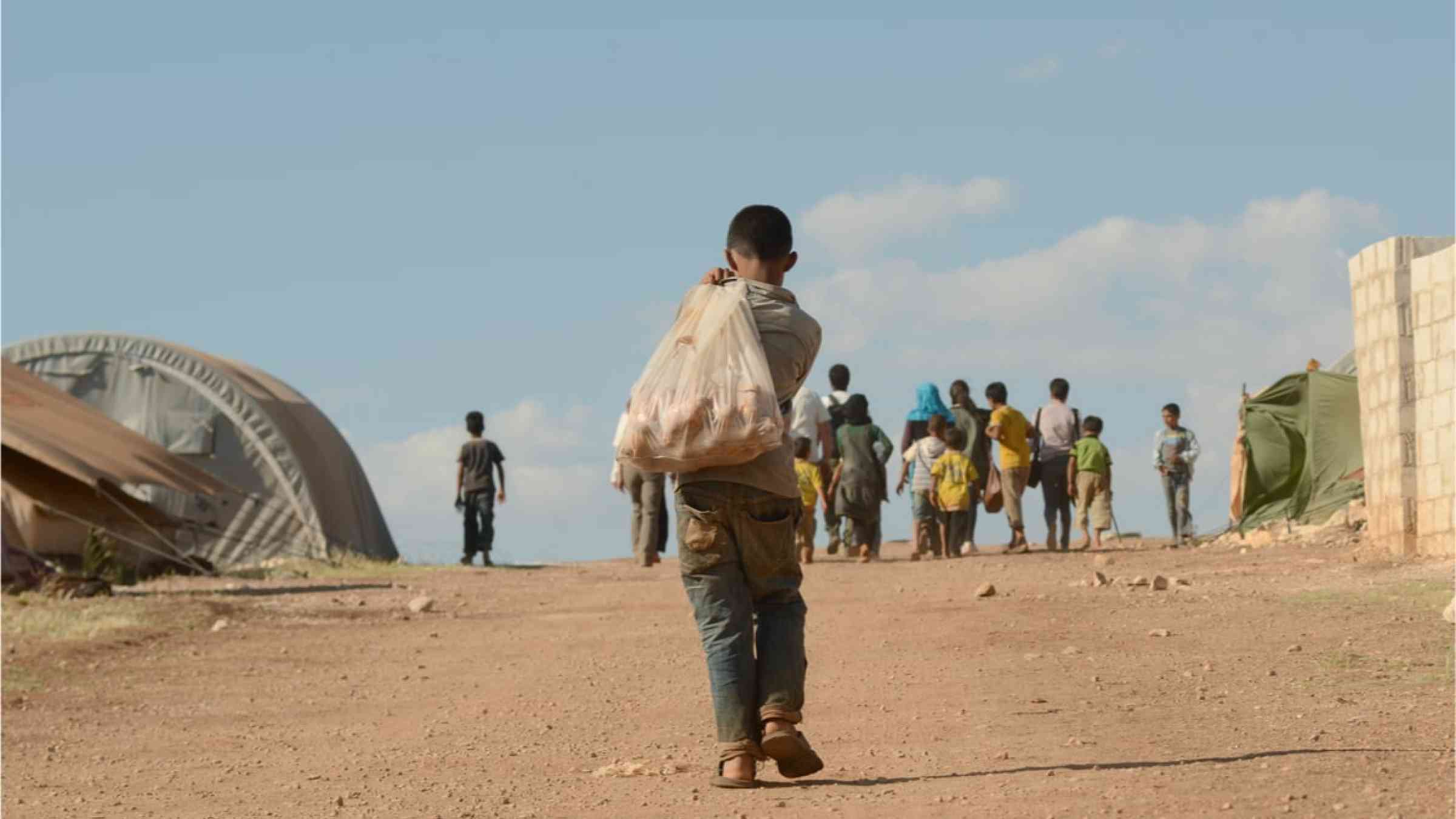
A young boy walking across a refugee camp in Syria.
Update

Internally displaced persons (IDPs) have specific vulnerabilities due to displacement; they are likely to have used up whatever money and other assets they had, leaving them unable to make the same adaptations as those who have not been displaced.

Conversation Media Group, the