My account
Menu
Your experience on PreventionWeb

Please help us improve PreventionWeb by taking this brief survey. Your input will allow us to better serve the needs of the DRR community.

See the survey

Published on
8 November 2023
Status
Progress not updated

Negros Occidental Impact 2025

Expected duration
Jan 2018 - Dec 2025
SFVC commitment ID
20221006_002
Version
3.0
Upload your content

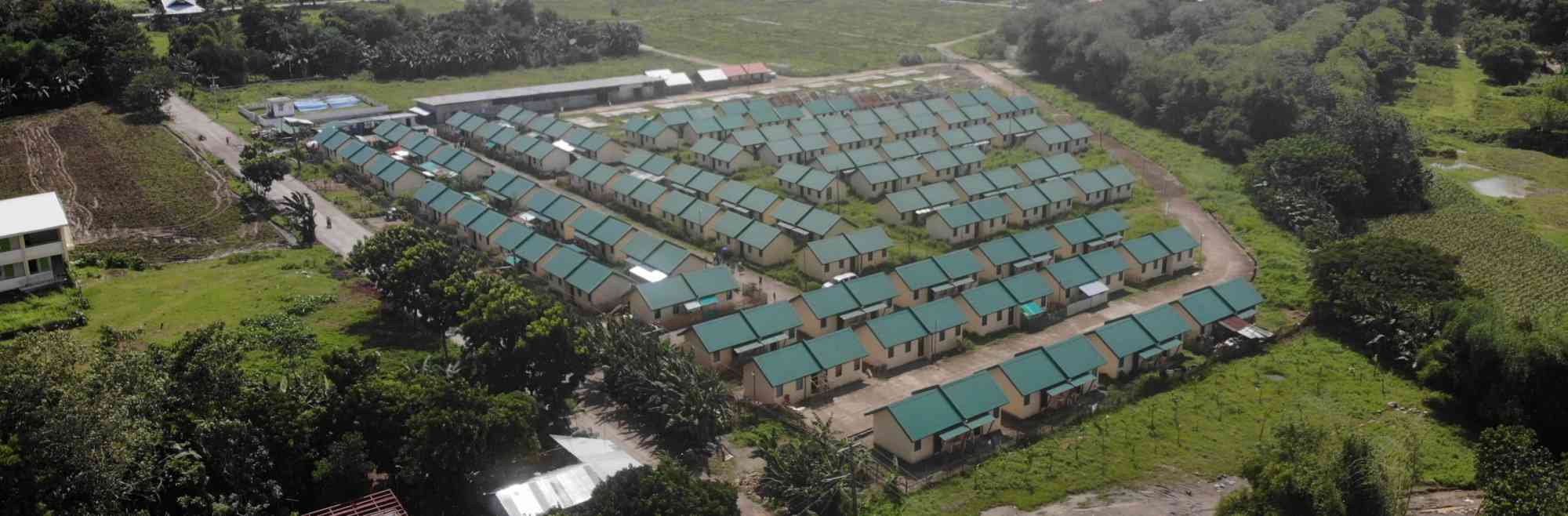
The project aims to build 10,000 housing units in Negros Occidental creating a housing ecosystem that enables low-income families to have access to land; safe and disaster resilient shelters through bamboo technology; and live in a clean, green and cohesive community.

    Description

    The Negros Occidental Impact 2025 project was conceived and aim to provide 10,000 affordable and disaster resilient houses to informal settler families and build sustainable communities in the processes in the province of Negros Occidental. It also aims to:
    - Leverage government and private sector resources and support to help address the Philippines’ growing and complex socialize housing problem.
    - Promote appropriate, quality building materials and construction processes in the Philippines’ housing value chain.
    - Contribute valuable insights and new construction knowledge for housing institutions, professionals, construction workers and families.

    The project will provide houses to the target families in collaboration with identified partners and stakeholders through housing and linkage to access to financial institutions, capacity building on construction technology including development and community empowerment.

    Did the Sendai Framework change or contribute to changes in your activities/organization? If so, how?

    The work of Habitat for Humanity Philippines both contributes to and is guided by the Sendai Framework for Disaster Risk Reduction.

    This project is one of the good practices for ARISE, UNDRR Private Sector Alliance for Disaster Resilient Societies. It addresses two commitments for ARISE, namely, implementing projects and activities to achieve the targets of the Sendai Framework and sharing knowledge, experience and good practices amongst the private sector.

    What led you to make this commitment/initiative?

    What was your position before making this Voluntary Commitment / prior to the Sendai Framework?

    The target families/beneficiaries of this project are normally living in danger zone, private land owned by ‘Hacienderos’, and those affected by the government and private infrastructure development projects. With this condition, the project aims to address the problem of these families’ substandard living conditions, and ensure that they will have permanent, disaster- resilient, safety and secure houses where they can live in a sustainable community that is clean, green, and progressive. Through this, the vulnerabilities of these families to the effects of hazards in their localities will be lessened.

    Deliverables and Progress report

    Deliverables

    Deliverables are the end-products of the initiative/commitment, which can include issuance of publications or knowledge products, outcomes of workshops, training programs, videos, links, photographs, etc.

    Appropriate Land and Site Development
    Intended date of delivery
    31 December 2022

    Shelter and resettlement sites are established through involvement of stakeholders in planning and implementation decision.

    File
    NOI Update_Update as of June 19.pdf (225.34 KB)
    Adequate and Timely Financing
    Intended date of delivery
    30 June 2023

    Appropriate resources (funding and land) are available and utilized for the construction of CBF homes and community development activities.

    File
    NOI Update_Deliverable 2.pdf (182.5 KB)
    Viable Construction Technology and Design
    Intended date of delivery
    31 December 2024

    Cement Bamboo Frame Technology (CBFT) as a viable eco-friendly technology for constructing disaster resilient homes and is widely adopted by families and stakeholders.

    Community Cohesion and Development
    Intended date of delivery
    30 June 2025

    Established communities that are well developed, thriving, and cohesive.

    Organizations and focal points

    Implementing Organization(s)

    • Habitat for Humanity Philippines

    Focal points

    If a VC's contact information has been hidden, the SFVC team can forward a message.

    Partners

    • Base Bahay Foundation, Inc.
    • Hilti Foundation

    Explore further

    Sendai priorities
    Priority 3Investing in disaster risk reduction for resilience
    Sendai targets and indicators
    B-1 (Compound)Number of directly affected people attributed to disasters, per 100,000 population
    D-1 (Compound)Damage to critical infrastructure attributed to disasters
    D-4Number of other destroyed or damaged critical infrastructure units and facilities attributed to disasters
    Hazards Avalanche Cyclone, Hurricane and Typhoon Drought and Desertification Earthquake Flood Heatwave and Extreme Heat Landslide Storm surge Tsunami Volcano
    Themes Community-based DRR Critical infrastructure Preparedness Environment and ecosystems Risk identification and assessment Social impacts and social resilience Structural safety
    Country and region Philippines
    Sustainable Development Goals SDG9: Industry, innovation and infrastructure SDG10: Reduced inequalitities SDG11: Sustainable cities and communities SDG13: Climate action
    Budget scale
    More than USD 5 million
    Scope
    National (or local) - Philippines
    Scale of beneficiaries
    5,000 to < 10,000
    Secured budget size
    60%
    Umbrella initiative(s)
    UNDRR Private Sector Alliance for Disaster Resilient Societies (ARISE); ARISE: Resilient Infrastructure
    Videos
    Related links
    Negros Occidental 2025 Website

    Is this page useful?

    Yes No
    Report an issue on this page

    Thank you. If you have 2 minutes, we would benefit from additional feedback (link opens in a new window).

    PreventionWeb is the global knowledge sharing platform for disaster risk reduction (DRR) and resilience.

    • Newsletter
    • Submit your content
    • Blog pitches
    • Submission and publishing policy
    • About PreventionWeb
    • Contact us

    Hazards

    • Avalanche
    • Cold Wave
    • Cyclone, Hurricane and Typhoon
    • Drought and Desertification
    • Earthquake
    • Epidemic and pandemic
    • Flood
    • Heatwave, extreme heat and heat stress
    • Insect infestation
    • Land subsidence
    • Landslide
    • Nuclear, biological, chemical (NBC)
    • Sea level rise
    • Technological hazard
    • Thunderstorm
    • Tornado
    • Tsunami
    • Volcano
    • Wildfire

    Regions

    • Africa
    • Americas
    • Asia
    • Europe
    • Oceania

    Themes

    Understanding & managing risk

    • Preparedness
    • Early warning
    • GIS and mapping
    • Data and information management
    • Risk identification and assessment
    • Small Island Developing States
    • Earth Observation

    Natural environment

    • Climate change
    • Environment and ecosystems
    • Food security and agriculture
    • Water

    Cross-cutting

    • Systemic risk
    • Recovery

    Human development

    • Capacity development
    • Children and youth
    • Civil society / NGOs
    • Community-based DRR
    • Cultural heritage
    • Gender
    • Human mobility
    • Inclusion
    • Social impacts and resilience

    Science, knowledge & advocacy

    • Disaster risk communication
    • Traditional and Indigenous knowledges
    • Science-policy-practice interface

    State, governance & economy

    • Financing DRR
    • Fragility and conflict
    • Governance
    • Insurance and risk transfer
    • Private sector

    Infrastructure & critical services

    • Critical infrastructure
    • Education and school safety
    • Health and health facilities
    • Structural safety
    • Urban risk and planning
    Loading