
Spain earthquake, drilling wells linked in new study of Lorca tragedy
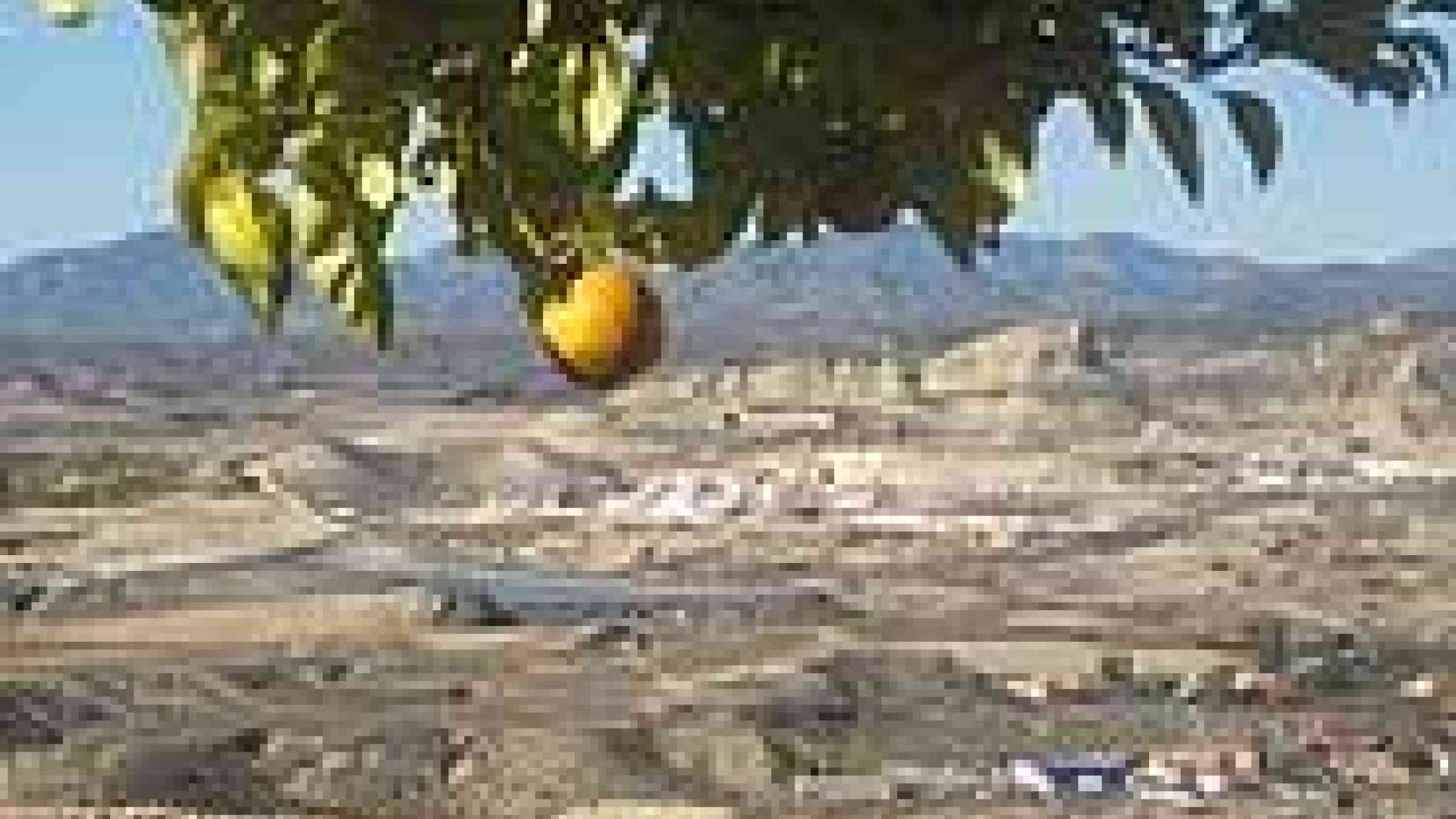
A study published in Nature Geoscience suggests that excess water extraction contributed to the deadly May 11, 2011 earthquake in Lorca, Spain, which caused 9 people to die and 300 to be injured. As reported by the Huffington Post, scientists found that the extra stress of having pumped vast amounts of water ever deeper to help produce fruits, vegetables and meat over 50 years may have been enough to rupture a fault running near the basin.
Even if not everyone agrees with the conclusion of the study, it isn't the first time that the issue of man-made quakes is raised. "The incident points to the need to investigate more closely how such quakes are triggered and how to prevent them," concludes the Huffington Post, citing other examples such as the involvement of a large dam into the 1967 Koynanagar earthquake in India and the abandon of the Swiss city of Basel's geothermal power project after it caused a series of earthquakes in 2009.