News and announcements
Explore the latest updates on global disaster risk and resilience, with news stories that cover critical developments, expert insights, and emerging trends.
Whether you're looking for breaking news from the disaster risk reduction (DRR) community or in-depth analysis of efforts to build a safer, more resilient world, this is your page. Dive into a wide range of topics, from climate change impacts to community-based initiatives, technological innovations, and global policies shaping a more resilient future, at global, national or local level.
Stay connected to the pulse of DRR and join the global conversation to reduce risk and strengthen resilience—one update at a time.
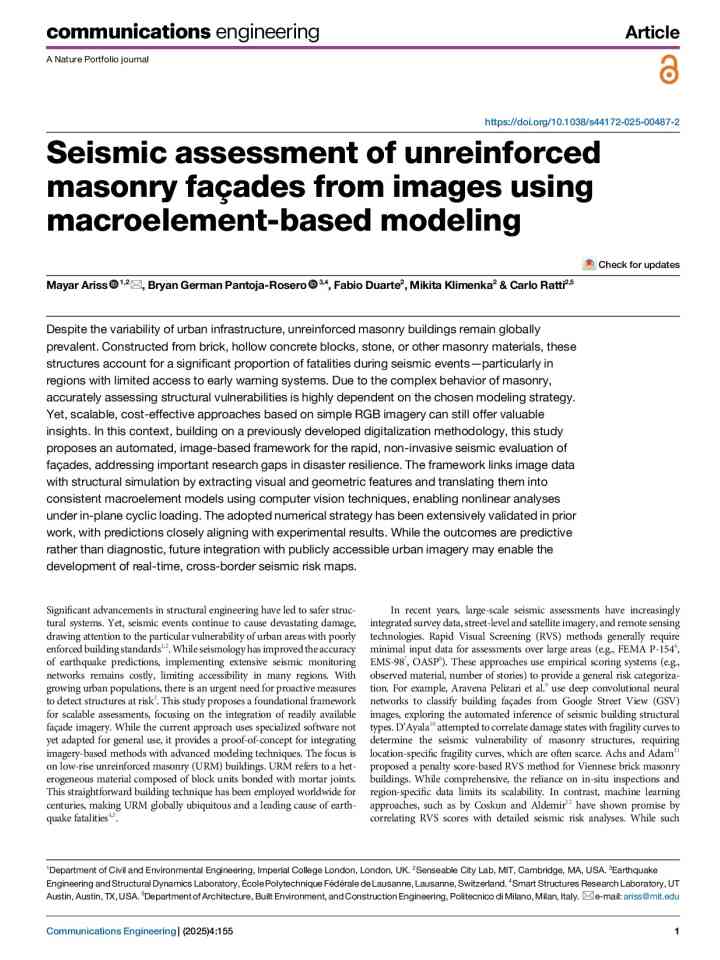
After the fire: Three years on — what the Maui wildfire reveals about emergency management policy for island communitiesDocuments and publications
After the fire: Three years on — what the Maui wildfire reveals about emergency management policy for island communities
Island Security Policy Institute
Maui wildfire emergency management reform: Three years after Lahaina — An independent assessment of framework reform progress and remaining gapsDocuments and publications
Maui wildfire emergency management reform: Three years after Lahaina — An independent assessment of framework reform progress and remaining gaps
Island Security Policy Institute
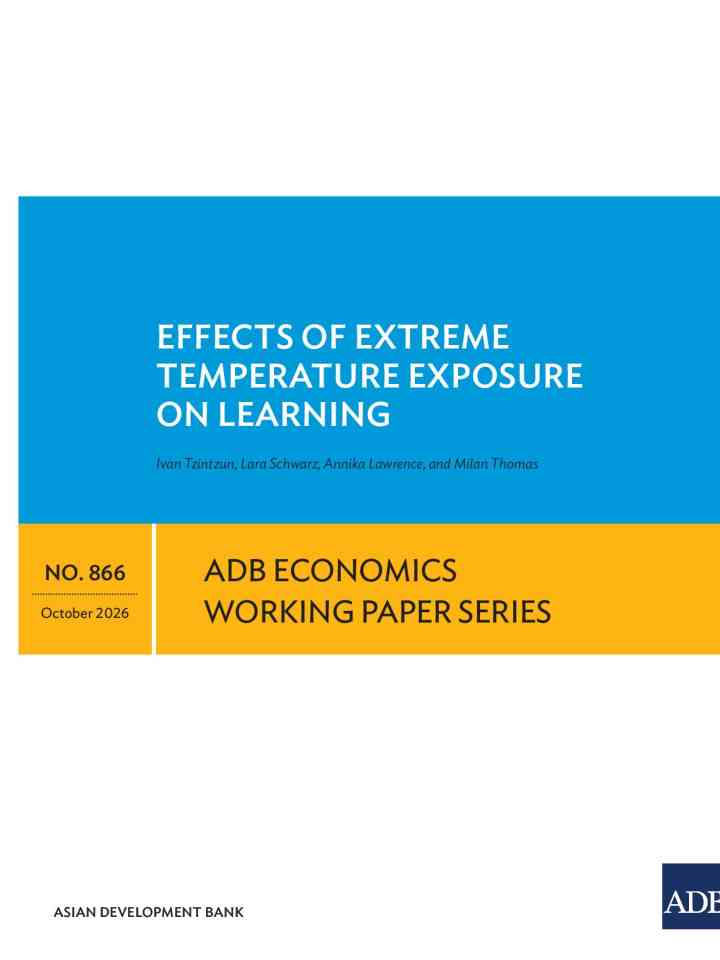
When the ocean comes inland: Tsunami preparedness policy for Pacific island and Hawaii coastal communities — What the warning systems missDocuments and publications
When the ocean comes inland: Tsunami preparedness policy for Pacific island and Hawaii coastal communities — What the warning systems miss
Island Security Policy Institute
Sri Lanka: Managing landslide risk and planned relocation in Kegalle DistrictCase studySri Lanka
Sri Lanka: Managing landslide risk and planned relocation in Kegalle District
Deutsche Gesellschaft für Internationale Zusammenarbeit (GIZ)
Shelter after disasters in AustraliaDocuments and publications
Shelter after disasters in Australia
Australian Journal of Emergency Management (AIDR)
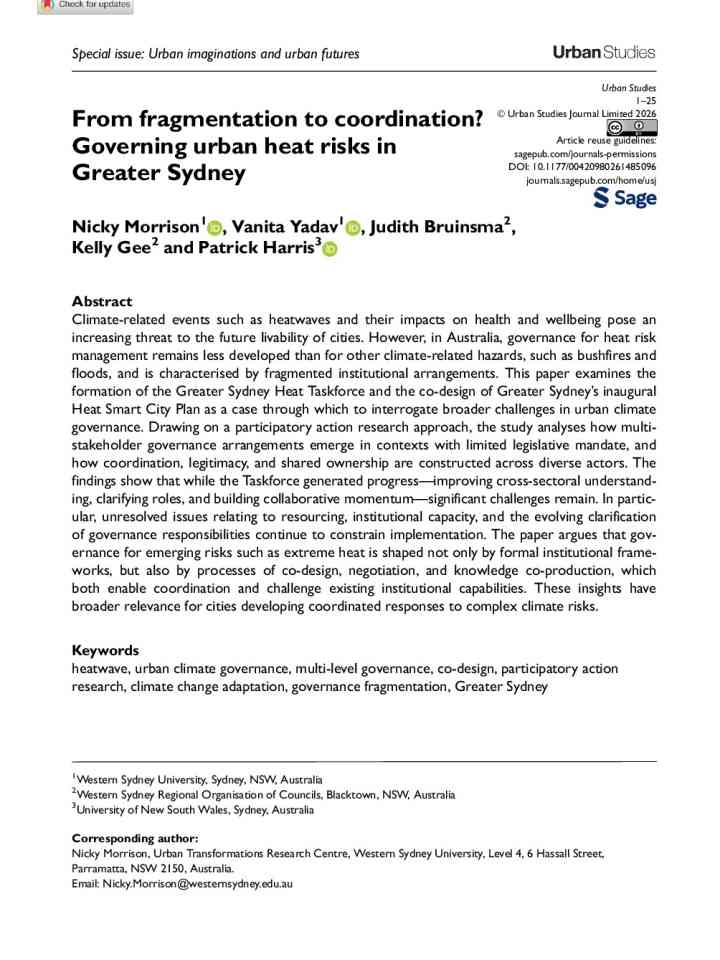
Hazard impact information has the greatest effect on how people respond to alertsResearch briefsWhy alerts need hazard impact informationThe Warn Room
Bracing for El Niño: impacts, risks and response in the PhilippinesUpdateEl Niño risks in the PhilippinesClimate Adaptation Platform (CAP)
Drought resilience: why we need it and how to build itUpdateBuilding drought resilienceUnited Nations Environment Programme (UNEP)
India: Monitoring gender and social inclusion in climate-related urban migration in JaipurCase studyIndia
India: Monitoring gender and social inclusion in climate-related urban migration in Jaipur
Deutsche Gesellschaft für Internationale Zusammenarbeit (GIZ)
Sweden disaster risk data system assessment and roadmapDocuments and publications
Sweden disaster risk data system assessment and roadmap
Global Facility for Disaster Reduction and Recovery, the (GFDRR)