
Risk communication for early action in Barbados: Findings, learnings and opportunities for scale
This article is based on an Ignite Stage presentation at the 2025 Global Platform for Disaster Risk Reduction. The Ignite Stage offers fast-paced, impactful talks from diverse voices working at the forefront of disaster risk reduction.
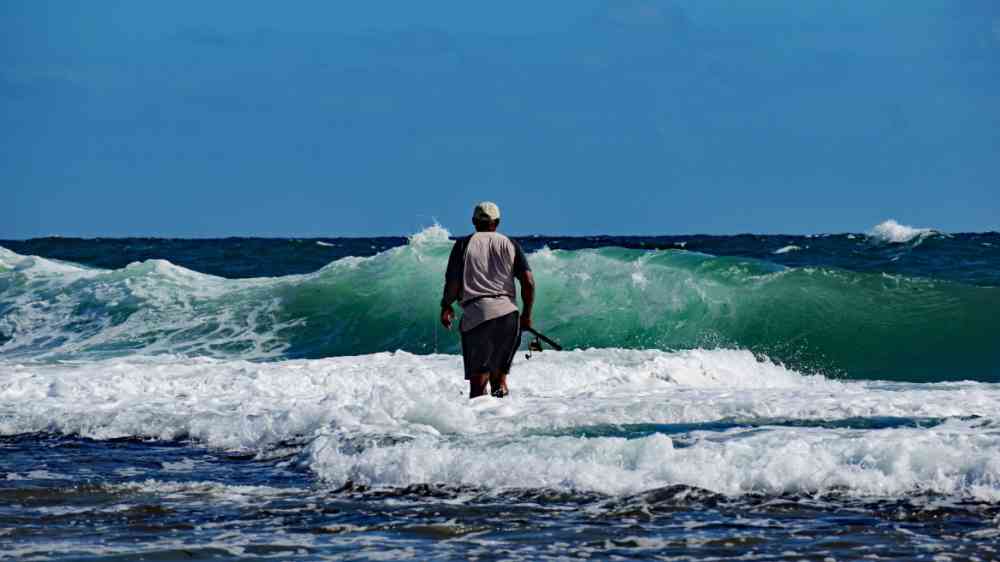
For fisherfolk in Barbados, the ocean is central to their way of life. It provides them with a source of income, and sense of rootedness and belonging. However, this is increasingly threatened by the impacts of climate change. There is an urgent need to scale up and integrate good practices for early warning and early action in Barbados, and other Small Island Developing States in the Caribbean and around the world.
The Barbados fishing industry
The Barbados fishing industry employs 8,800 persons, including fishers, boat owners, vendors and scalers. Several factors threaten their lives and livelihoods, chiefly the impacts of climate change, particularly increased sea surface temperatures, unstable fishing stock, invasive and harmful species, and the increased frequency of severe weather. Effective risk communication is critical to safeguard fishers, protect their livelihoods and enhance their resilience.
Risk Communication for Early Action
From November 2023 to June 2024, BBC Media Action delivered the Risk Communication for Early Action (RiCA) Project funded by the USAID Bureau for Humanitarian Assistance, in partnership with the United Nations Office for Disaster Risk Reduction (UNDRR), in Barbados, Cambodia and Somalia. In Barbados, the project explored challenges and opportunities for media and communication to contribute to early warning and early action. Using the RiCA Project's Guide for Essential Research, a study on the media and communication ecosystem in Barbados highlighted the characteristics, resources, behaviours and actions of vulnerable groups such as fishers. The team then conducted a case study to understand how fishers receive and act upon early warning messages. The objective was to inform the development of a disaster risk communication strategy that enhances fishers' capacities to receive early warnings and take early action.
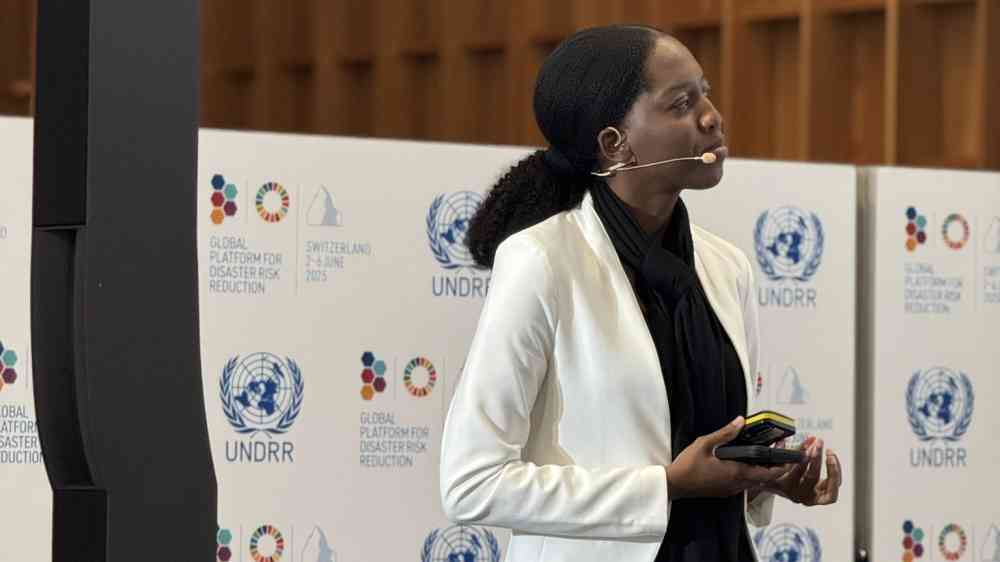
Christal Benjamin presenting at Ignite Stage during the Global Platform for Disaster Risk Reduction in Geneva, Switzerland (2025).
Key findings
The findings reveal that radio is the primary communication tool for all fisher groups. The most popular communication tool for extreme weather is the single sideband (SSB) radio. Other trusted sources of information include peers via radio communication, WhatsApp, and regional and international sources (Mr. Weatherman on YouTube and BBC News).
In Barbados, there are three main groups of fishers: longliners, iceboat fishers and moses operators. Risk experiences differ based on the type and scale of the fishing operations. Longline fishers, who venture hundreds of miles offshore in trips lasting up to two weeks, face greater exposure to hydrometeorological events. Iceboat and moses boat operators may not have access to the sophisticated communication technology owned by longliners; however, their closer proximity to shore means they can seek safety quicker. Preparedness and response measures for hydrometeorological hazards also vary. Longliners and iceboat fishers often secure their boats in harbours, while moses operators haul their boats up on shore.
Fishers reported the limited radio transmission range, late warnings, and lack of standardization in key early warning information as major challenges, affecting their ability to receive timely warnings and take necessary early action. Response actions are further challenged by inadequate equipment and haul-up facilities.
Strong relationships within fishing communities, traditional wisdom and willingness to adopt technology have been key elements which strengthen fishers' risk communication and disaster risk reduction. Investments in risk communication and disaster preparedness resources and increased cross-sectoral collaboration can contribute to more effective early warning and early action.

Attendees of the UNDRR risk communication workshop in Seychelles.
Opportunities for scale
Barbados
Increased investments in early warning systems can strengthen risk communication and preparedness and response capacities within the fisheries sector. This includes not only investments in early warning technology, but also the reinforcement of existing mechanisms for knowledge exchange. Existing best practices and innovation in early warning and early action can also be scaled up and integrated through enhanced cross-sectoral collaboration. This has become even more critical for Barbados following the devastating impact of Hurricane Beryl on the fisheries sector on July 1, 2024, and is already underway through the Barbados Coastal Fisheries Resilience Project.
Globally
The Guide for Essential Research provides expert guidance on gathering essential research data to underpin effective and relevant disaster risk communication plans. In March and April 2025, the UNDRR Regional Office for Africa employed this Guide for a study on risk communication in Seychelles. It informed a workshop which strengthened key stakeholders' capacities to effectively communicate about risk.
It is my hope that the Guide is used more widely to conduct research and develop effective risk communication strategies to safeguard the lives of those most at risk to hazards.
More information
- RiCA Project Barbados film: Early Warnings: The Fisher's Experience
- Risk Communication for Early Action, Guide for Essential Research
Christal Benjamin is an independent disaster risk management specialist. She served as consultant research manager for the BBC Media Action RiCA Project in Barbados in 2024, and consultant research expert for the risk communication project in Seychelles in 2025. Christal is the representative for the Early Warning Early Action Future Leaders Network and the Anticipation Hub in Latin America and the Caribbean, and a member of the Risk-informed Early Action Partnership (REAP) Early Warning Initiatives Working Group.
Editors' recommendations
- From warnings to action: How Makati is building a resilient future with MAWARI
- To build trust, start by listening: Introducing the Community Trust Index for early warning systems
- From risk to resilience: A new tool to build safer cities
- Yemen’s front lines of resilience: How local action is saving lives from floods and conflict
- Glacier-related disaster risk reduction: Enhancing resilience from mountains to valleys
- CoastalSense: Empowering community with low-cost technology for coastal resilience
- Ni-Vanuatu women leading inclusive disaster risk reduction and response