
From warnings to action: How Makati is building a resilient future with MAWARI
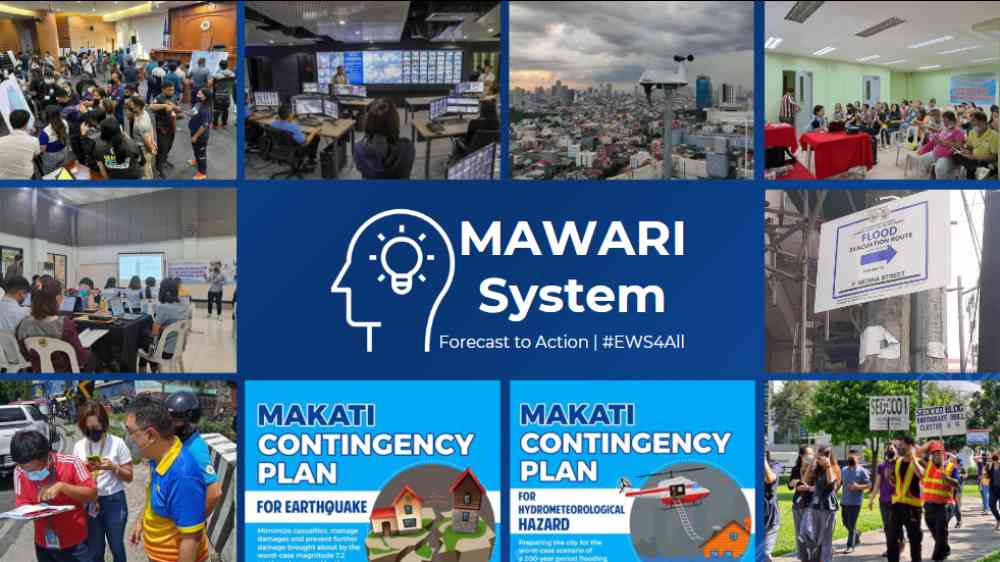
This article is based on an Ignite Stage presentation at the 2025 Global Platform for Disaster Risk Reduction. The Ignite Stage offers fast-paced, impactful talks from diverse voices working at the forefront of disaster risk reduction.
When Filipinos think of Makati, gleaming skyscrapers, diplomatic missions and the hum of economic activity of the bustling financial centre of the Philippines might come to mind. But beneath this urban dynamism lies a deeper vulnerability: Makati is also highly exposed to natural hazards. From destructive typhoons to the looming threat of an earthquake, the city must constantly confront its disaster risks. In response, Makati has taken bold steps to ensure its communities aren't just warned, but empowered, through the Makati Advance Warning for Actionable and Risk-Informed (MAWARI) system.
MAWARI is more than just an early warning system. It's a philosophy of disaster risk reduction rooted in science, local knowledge and community trust. At its core is one simple but powerful belief: information alone doesn't save lives - actionable information does.
The challenge: Hazards meet high stakes
Makati doesn't sit directly on a fault line, but it's surrounded by major seismic zones, from the West Valley Fault to the Manila Trench. Simulations predict destructive shaking across the city should a magnitude 7.2 earthquake occur. Makati also faces recurring threats from typhoons and severe flooding. In 2009, Typhoon Ondoy (Ketsana) delivered the city's worst ever flooding disaster. The costs in lives, infrastructure and economic productivity across Metro Manila were staggering.
In a city so integral to national stability, protecting Makati isn't just a local concern. It's a national imperative.
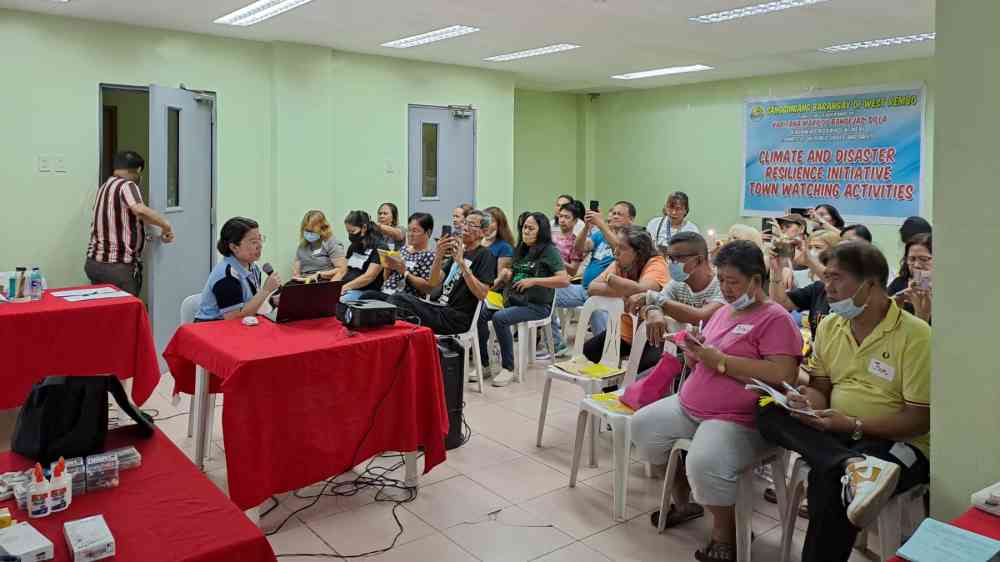
Barangay town watching committee meeting
The solution: What MAWARI really means
The Filipino word mawari means to discern, perceive or figure something out. That's precisely what the MAWARI system is designed to do: translate raw data into real-time, meaningful alerts that trigger timely action. Developed by the City Government of Makati, MAWARI blends cutting-edge technology with human intelligence and trust.
Here's how it works:
- Technology and data integration: MAWARI relies on weather stations, rain gauges, earthquake monitors, water level sensors and even CCTV footage. These are supplemented with data from national agencies like the Philippine Atmospheric, Geophysical and Astronomical Services Administration (PAGASA), through established partnerships that contribute to the continuous improvement of the system.
- Community reporting: Trained local volunteers act as "flood spotters", providing on-the-ground updates that feed directly into the system. Mobile apps connect citizens with emergency responders in real time.
- Impact-based forecasting: MAWARI doesn't just predict weather - it forecasts what it will do to neighbourhoods. Instead of saying "heavy rain expected," it warns "flooding likely in your area by 2 PM - please move vehicles and assist elderly residents now."
A System built by and for people
While MAWARI is technologically sophisticated, its real strength lies in its people-centred design. The city's "convergence approach" ensures that residents, community leaders, and agencies co-create solutions. Local knowledge isn't just welcomed - it's essential. This participatory method doesn't just build trust; it builds resilience that's scalable, low-cost and deeply rooted in local realities.
Four pillars make MAWARI stand out:
- Risk knowledge - Understanding the hazards through data and community experience.
- Monitoring and warning - Using Internet of Things sensors and trained analysts to issue timely alerts.
- Communication - Delivering clear, actionable messages through various media, including house-to-house messaging when needed.
- Response capability - Embedding protocols and contingency plans that communities know and can activate.
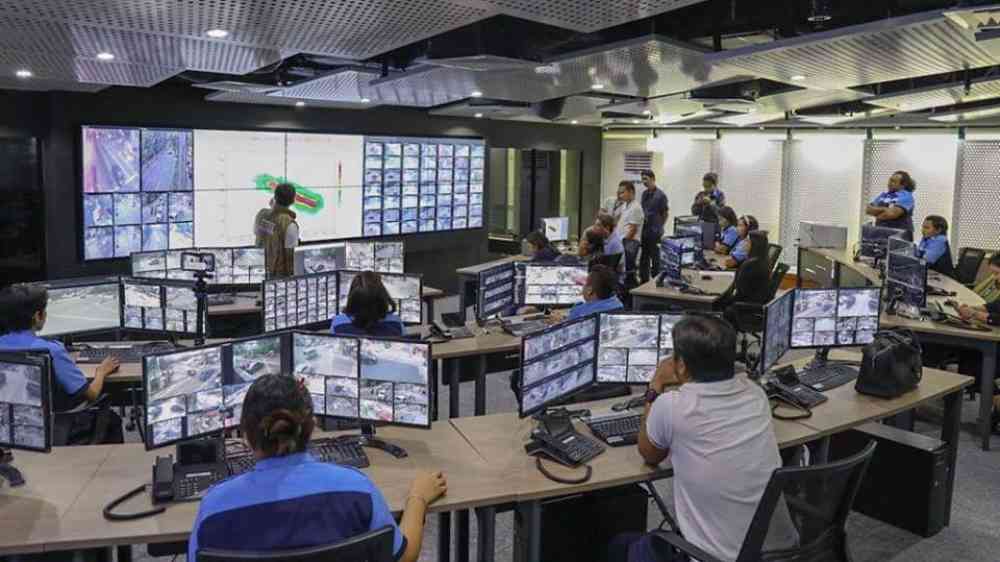
Risk assessment exercise being carried out in a crisis control room in Makati, Philippines
Proven impact, recognized globally
MAWARI's achievements are measurable and impressive. In 2022 alone, Makati recorded 19 extreme rainfall events, each one tracked by 16 automated rain gauges. All this data informed immediate action, contributing to zero casualties. The system now covers 100 per cent of the city's population with early warnings.
Internationally, MAWARI has earned recognition. It was featured by UNDRR during the International Day for Disaster Risk Reduction, and cited in the Words into Action guidelines as a model people-centred multi-hazard early warning system (MHEWS).
Lessons for the DRR community
Makati's journey offers valuable lessons for DRR professionals worldwide.
- Local engagement is not optional - it's foundational.
- Early warning systems must do more than notify - they must activate.
- Risk reduction is not a document - it's a daily practice.
MAWARI aligns closely with the Sendai Framework and the United Nations' EW4All initiative. It demonstrates that when cities combine data with dialogue, and policy with and for the people, disaster risk can be drastically reduced.
Because in Makati, resilience isn't just a project. It's a way of life.
Zean Denice T. Campo is the Supervising Officer for Disaster Risk Assessment and Planning Services at the Makati City Government’s Disaster Risk Reduction and Management Office. She leads initiatives to strengthen evidence-based climate and disaster risk governance, currently acting as the Project Manager for the Climate and Disaster Risk Information Management System Project and the Project Coordinator for the Early Warning System Enhancement Project. She is a graduate of the University of the Philippines – Diliman with a degree in Geography, making her especially passionate about Geographic Information Systems (GIS) and their role in making disaster risk information accessible, actionable, and inclusive.
Editors' recommendations
- To build trust, start by listening: Introducing the Community Trust Index for early warning systems
- From risk to resilience: A new tool to build safer cities
- Yemen’s front lines of resilience: How local action is saving lives from floods and conflict
- Risk communication for early action in Barbados: Findings, learnings and opportunities for scale
- Glacier-related disaster risk reduction: Enhancing resilience from mountains to valleys
- Risk communication for early action in Barbados: Findings, learnings and opportunities for scale
- Glacier-related disaster risk reduction: Enhancing resilience from mountains to valleys
- CoastalSense: Empowering community with low-cost technology for coastal resilience
- Ni-Vanuatu women leading inclusive disaster risk reduction and response