Empowering children with free DRR materials: COPE Disaster Champions, 10 years in the making

Explaining Disaster Risk Reduction (DRR) and Climate Change to children is not easy. How do we talk about rising heatwaves, wildfires, or melting ice caps without overwhelming them? How do we make sense of risks that feel distant and complex - while still equipping them to act?
These questions have shaped our work for a decade, and are the reason COPE Disaster Champions exists.

How COPE began: noticing a gap
The Sendai Framework for Disaster Risk Reduction made one thing clear: children are not just victims of disasters, they are vital to building community resilience. Yet at the time, in 2015, there were few relatable, age-appropriate resources to teach 4–9-year-olds about disasters. Most DRR materials seemed region-specific, outdated, or too technical and very few were free and practical for young children.
This gap became clear to Martha Keswick, during a lunch at Hong Kong Polytechnic University in 2015 hosted for the United Nations Office for Disaster Risk Reduction, where discussions focused on making cities disaster resilient. While inspiring, one question lingered: where are children in this picture? That moment led to a simple but ambitious idea: what if disaster preparedness were taught through stories children could truly relate to?
Why storytelling became our entry point into DRR
From the beginning, COPE was designed as a transdisciplinary collaboration. Martha worked as author alongside award-winning Mariko Jesse as illustrator and DRR expert Prof Timothy Sim as editor, bringing together storytelling, visual communication and scientific accuracy.
Storytelling was not chosen because it was creative - but because it was effective.
Narratives allow children to process complex ideas emotionally and cognitively. Rather than explaining climate change in abstract terms, stories focus on what to do when something happens. They transform fear into agency.
The concept
The stories revolve around four young protagonists, (from where the COPE name comes from) - Candy, Ollie, Ping, and Eddy — who are special DRR agents trained at the COPE Academy, hidden deep in Sichuan Province, by Grand Mistress Fu alongside Sense the snake and Rescue the dog.
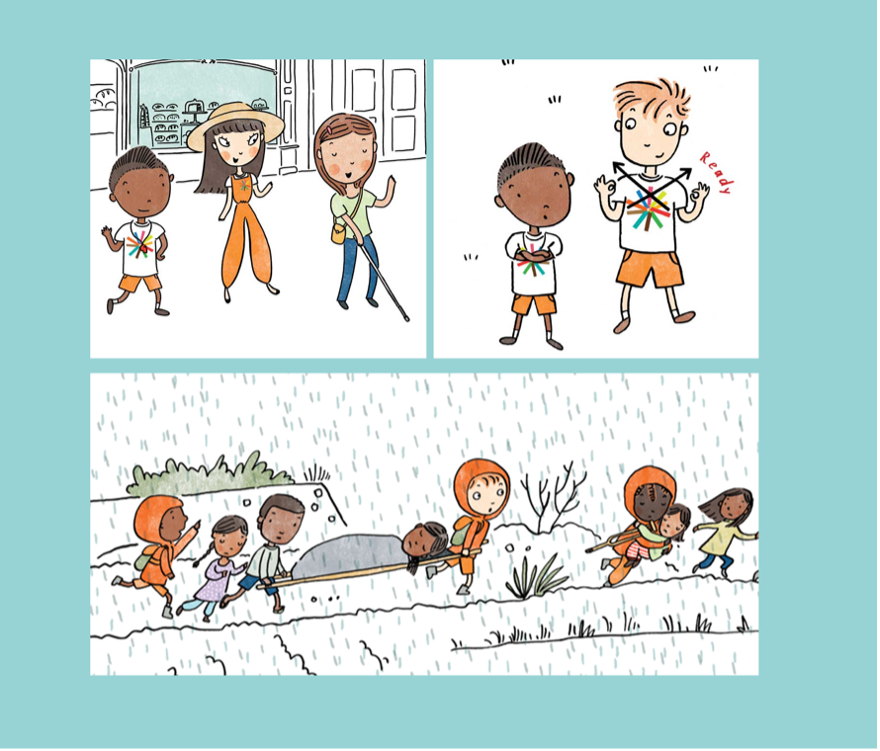
Each COPE character comes from a different region of the world (South Africa, New Zealand, Vietnam, Brazil, reinforcing that disasters do not respect borders). Eddy, who is hearing impaired and communicates using Brazilian Sign Language (LSB), was intentionally included to reflect disability inclusion and the Sendai principle of leaving no one behind.
These characters help children see themselves in the story — regardless of background, ability, or geography.
Moreover, COPE narratives often highlight the important roles girls play in households and caregiving, especially in times of crisis. Empowering them with clear preparedness knowledge can have a ripple effect across families and communities.
A powerful real-life example is Tilly Smith, who, at just ten years old, recognized the early warning signs of the 2004 Indian Ocean tsunami and shouted a simple instruction: GET UP TO HIGH GROUND. Her action saved hundreds of lives that day.
In each of COPE books, the squad head off on missions to disaster prone areas to teach other kids how to be ready for disasters, how to become agents of change in their communities and deliver a clear key DRR message:
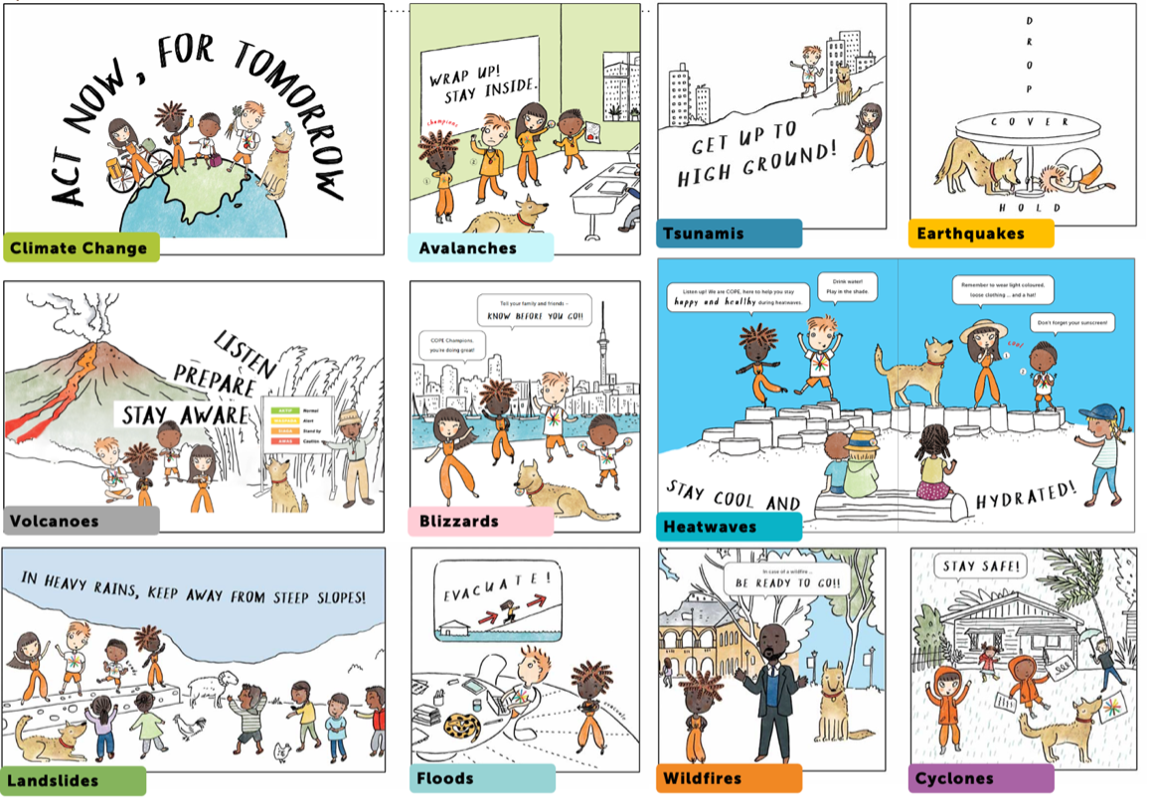
Earthquakes – DROP, COVER, HOLD
Tsunamis – GET UP TO HIGH GROUND
Floods – EVACUATE
Cyclones – STAY SAFE
Storm Surges – KEEP CLEAR FROM THE COAST
Landslides – IN HEAVY RAINS, KEEP AWAY FROM STEEP SLOPES
Wildfires – BE READY TO GO
Droughts – EVERY DROP COUNTS
Volcanoes – LISTEN, PREPARE, STAY AWARE
Heatwaves – STAY COOL AND HYDRATED
Blizzards – WRAP UP, STAY INSIDE
Avalanches – KNOW BEFORE YOU GO
Climate Change – ACT NOW, FOR TOMORROW
These messages are repeated visually throughout the narratives - until they become instinctive.
What changed when children became part of the design
Once children began engaging with the stories, something important happened: they started sharing the messages.
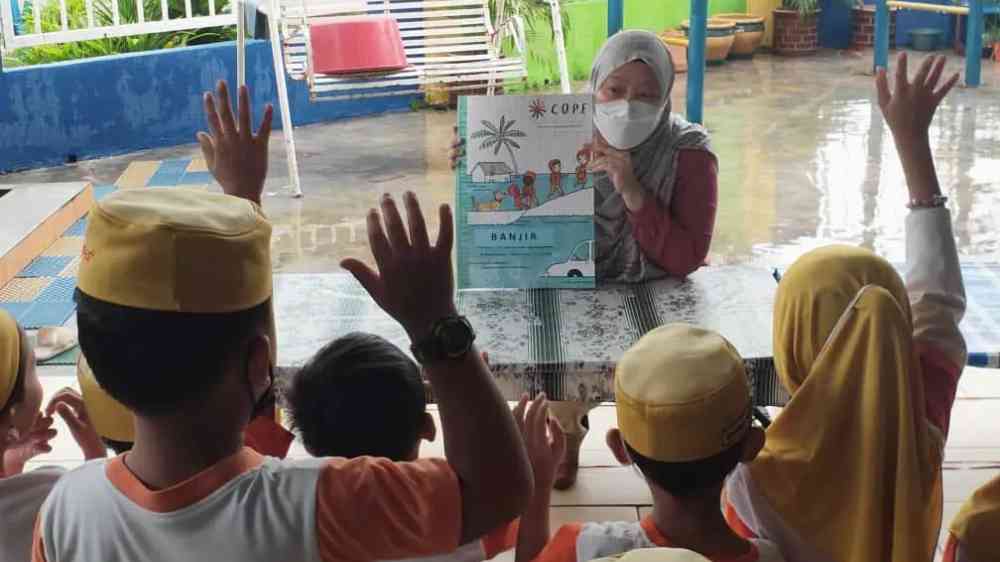
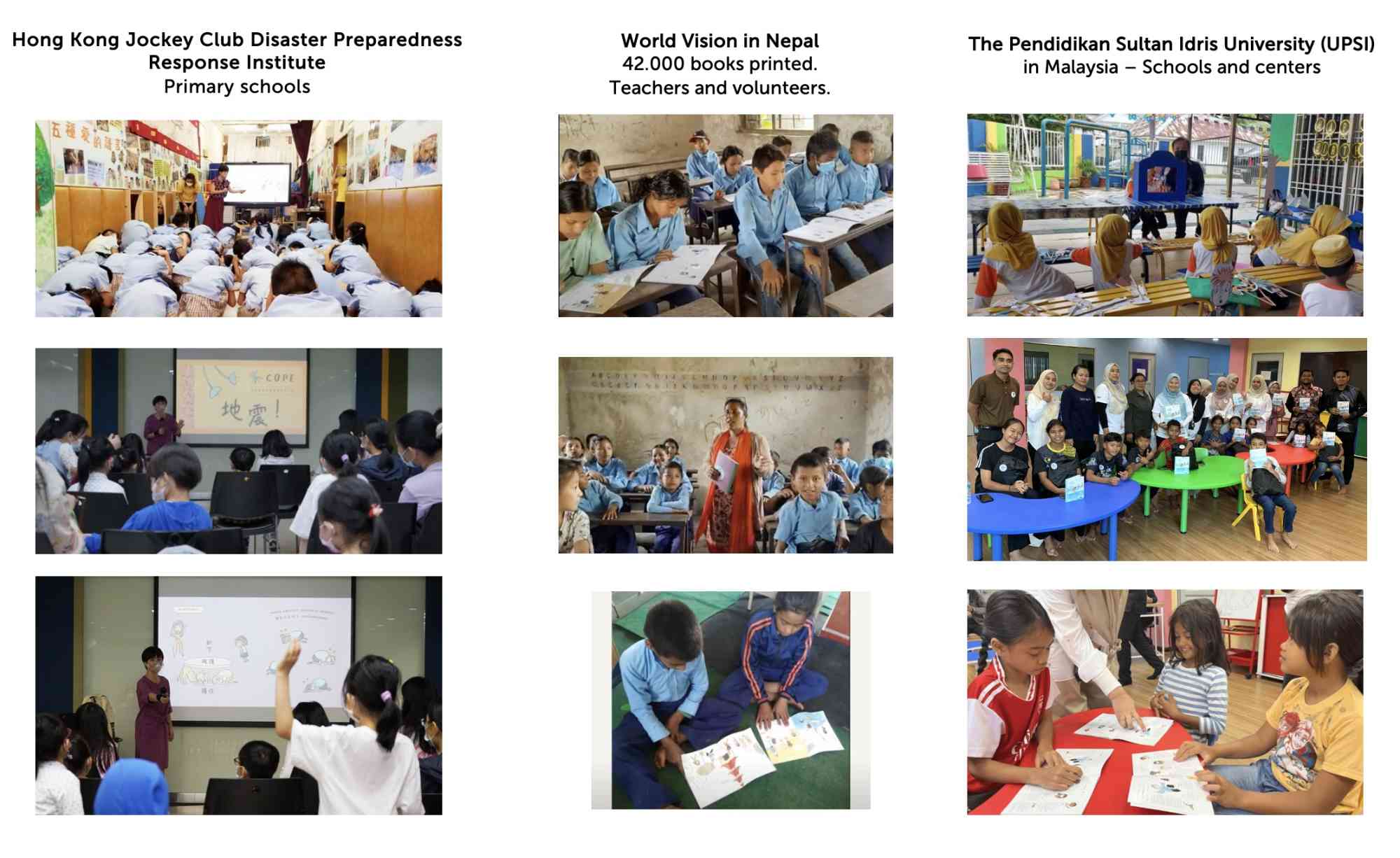
In an evacuation centre in Malaysia, flood-themed storytelling sessions helped children feel calmer, more confident, and better prepared. In Nepal, children designed landslide-awareness posters for their classrooms, visually reinforcing the message KEEP CLEAR FROM THE COAST. In South Africa, students performed dances that conveyed wildfire preparedness messages, encouraging communities to BE READY TO GO.
Children were no longer passive recipients of information. They became messengers of preparedness. This reinforced a key insight: children are not only vulnerable - they can be powerful communicators within households and communities.
Spreading the word
COPE has grown into a global, not-for-profit DRR education initiative, with 14 titles, translated into 24 languages, reaching more than 3 million children across 45 countries and available online through 24 websites, including WMO, UNDRR’s PreventionWeb, and WeAdapt.

What made this possible?
- Free access: All COPE materials are downloadable at no cost
- Local adaptation: Used in schools, clubs, and community outreach programmes
- Multiple formats: Books, jingles, a new online SUSS-COPE Interactive Learning Platform, storytelling sessions, puppets, animations
- Strong partnerships: UNDRR, WMO (scientific advisor), UNICEF, World Vision, leading universities such as Oxford, Stirling, and James Cook.
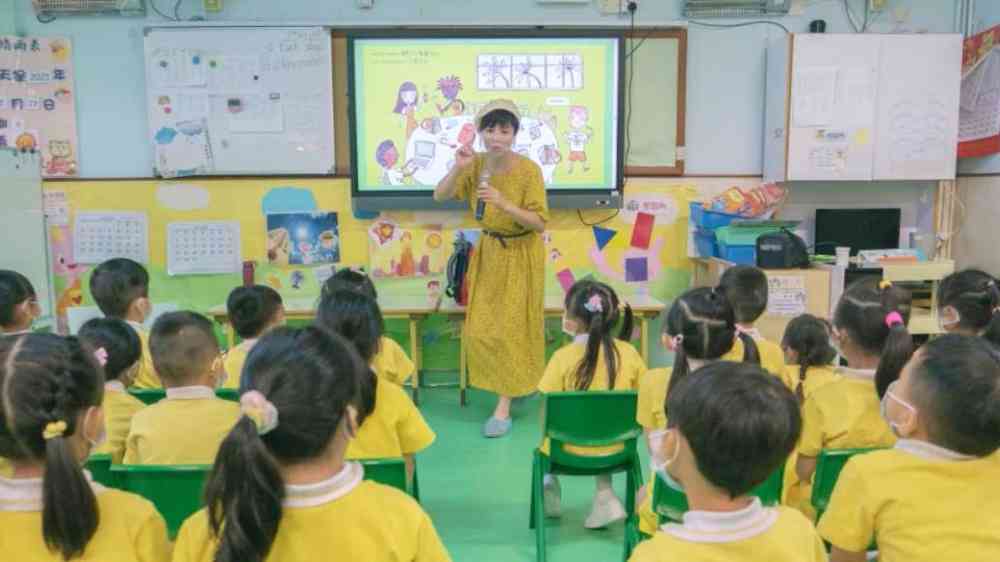
In Bhutan, children learn about Heatwaves and Climate Change through COPE books. In Hong Kong interactive storytelling brings DRR into classrooms. In Colombia, hurricane preparedness is paired with child-friendly survival kits.
Across different countries and contexts, one message remains consistent: children remember stories and they pass them on.
Lessons learnt
Our experience points to several practical lessons for DRR practitioners, policymakers and educators working to build community resilience:
- Complex climate risks must be translated into clear, age-appropriate actions;
- Transdisciplinary collaboration strengthens effectiveness;
- Children can safely participate in DRR without being overburdened;
- Investing in children is a long-term resilience strategy.
Children should not carry adult responsibilities - but they should not be excluded from preparedness either.
Looking ahead
COPE continues to expand into new hazards (a Lightning book is coming), formats and languages, while staying grounded in one simple idea captured in its strapline: “Make the Difference. Be ready!"
As climate risks increase, the focus shifts from whether children should be included in DRR to how well we equip them to understand and act. Sometimes, the most effective message is not a technical bulletin, but a story a child remembers - and shares - when it matters most.
Martha Keswick is the Founder and Author of the COPE Disaster Series, an internationally disseminated collection of illustrated disaster preparedness books and materials aimed to educate and empower children for disasters while providing coping tools that foster a practical and imaginative approach to Disaster Risk Reduction (DRR). The materials are created in collaboration with WMO, UNDRR, and UNICEF. Beyond COPE, Martha has made significant contributions through her work with the Keswick Foundation, which supports charitable organisations addressing social needs in China.
Lina Suarez is COPE’s Director of Communications and Stakeholder Engagement, leading brand strategy, partnerships, and outreach to expand access to child-friendly disaster risk reduction education worldwide.