
Promoting Disaster Risk Reduction Education in Nepal
The program includes a series of trainings, events, workshops, and orientations on DRR education for teachers, students, and community members in Nepal.
Description
A vision of creating resilient communities with the knowledge and abilities to lessen the effects of disasters drives DEPO's commitment to promoting disaster risk reduction (DRR) education in Nepal. Our multifaceted program encompasses a range of activities aimed at educators, students, and community members, fostering a culture of preparedness and resilience.
Through different Training of Trainers (ToT) sessions held nationwide, we empower teachers with the expertise to localize DRR education, enabling them to effectively impart critical skills to their students. These sessions focus on developing educational materials tailored to the unique context of Nepal, ensuring relevance and effectiveness. In schools, we organize a series of events and workshops, engaging students through DRR education clubs. These initiatives provide hands-on training in various DRR skills, cultivating a generation equipped to respond proactively to disaster scenarios. Additionally, our learning center serves as a hub for immersive experiences, inviting individuals to acquire practical knowledge in disaster risk reduction.
We conduct orientation sessions on disaster preparedness for local communities, ensuring residents are well-versed in effective response strategies. Furthermore, skills training programs equip community members with the tools needed for robust disaster management. Through these initiatives, we aim to create a ripple effect, building a society where DRR is not just a concept but a way of life.
Did the Sendai Framework change or contribute to changes in your activities/organization? If so, how?
The Sendai Framework has significantly influenced our organization's approach to disaster risk reduction. By providing a comprehensive and globally recognized roadmap, it has shaped the design of our activities. The framework's emphasis on localizing DRR aligns with our commitment, influencing our training methodologies and educational materials. It has strengthened our focus on community engagement and capacity-building, ensuring our initiatives directly contribute to the Sendai Framework's goals and fostering a more resilient and prepared society in Nepal.
What led you to make this commitment/initiative?
What was your position before making this Voluntary Commitment / prior to the Sendai Framework?
Our commitment to disaster risk reduction education in Nepal stems from recognizing the urgent need for proactive measures in a region prone to natural disasters. Before this initiative, our organization was involved in strengthening DRR education in schools. Still, the Sendai Framework provided a strategic framework. It served as a catalyst, guiding us to refocus our efforts on DRR education. The framework's global perspective and emphasis on localized action resonated with our mission, prompting a shift in our approach. By aligning our commitment with the Sendai Framework, we found a cohesive and internationally recognized strategy to address the unique challenges posed by disasters in Nepal.
Deliverables and Progress report
Deliverables
Deliverables are the end-products of the initiative/commitment, which can include issuance of publications or knowledge products, outcomes of workshops, training programs, videos, links, photographs, etc.
In our commitment to DRR education, the Training of Teachers (ToT) initiative has made substantial strides. Previously, we conducted ToT sessions in Lalitpur Metropolitan City, Shankharapur Municipality, Biratnagar Metropolitan, Gorkha Municipality, and Barpak Sulikot Rural Municipality. Over 100 teachers participated, receiving specialized training on the localization of DRR education. These sessions empowered educators to develop context-specific DRR educational game materials. As a result, five distinct educational games were created, enhancing the engagement and preparedness of students in disaster-prone areas. This past delivery equipped teachers with vital skills and produced tangible resources for effective DRR education in Nepal.

In our commitment to disaster risk reduction, we've conducted impactful community disaster management initiatives across various municipalities, including Lalitpur Metropolitan City, Barpak Sulikot Rural Municipality, Palungtar Rural Municipality, Helambu Rural Municipality, and Chautara Sangachowk Municipality. Notably, over 60 community members in Lalitpur, including women's groups, received specialized disaster preparedness training. Additionally, we organized disaster awareness events, reaching over 150 community members and addressing crucial topics such as Dengue, COVID-19, and other disasters. These community-focused activities foster resilience, ensuring that individuals are well-prepared to respond effectively to potential disasters in their localities.
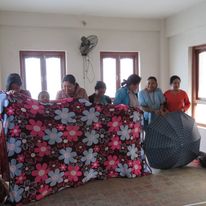
Our Mitra Disaster Risk Reduction Learning Centers have been a hub for education, hosting over 350 visitors within a year from August 2022 to September 2023. Students from various schools and colleges have gained valuable insights into disaster preparedness, acquiring practical skills at the center. Notably, our global outreach extended to more than 30 international visitors, including a delegation of 12 teachers and five students from Japan. During their visit, they immersed themselves in understanding the intricacies of DRR education activities in Nepal. They actively participated in engaging in DRR education games. This delivery underscores our commitment to fostering international collaboration and sharing best practices in disaster risk reduction.
Within the next year, it targets reaching out to an additional 500 visitors to the Center.

In the year 2024, the organization is planning to conduct several trainings for the schools and municipalities both inside and outside the Kathmandu valley. The main objectives of the training would be to equip the people with skills of disaster preparedness.
Organizations and focal points
Implementing Organization(s)
Focal points
Partners
