1. Home
  2. Knowledge Base | PreventionWeb
  3. Themes

Early warning

An integrated system of hazard monitoring, forecasting and prediction, disaster risk assessment, communication and preparedness activities systems and processes that enables individuals, communities, governments, businesses and others to take timely action to reduce disaster risks in advance of hazardous events. Early warning systems are a key component of disaster risk management activities.

Early Warnings for All is a groundbreaking initiative to ensure that everyone on Earth is protected from hazardous weather, water, or climate events through life-saving early warning systems by the end of 2027. Stay informed about the groundbreaking "Early Warnings for All" initiative.

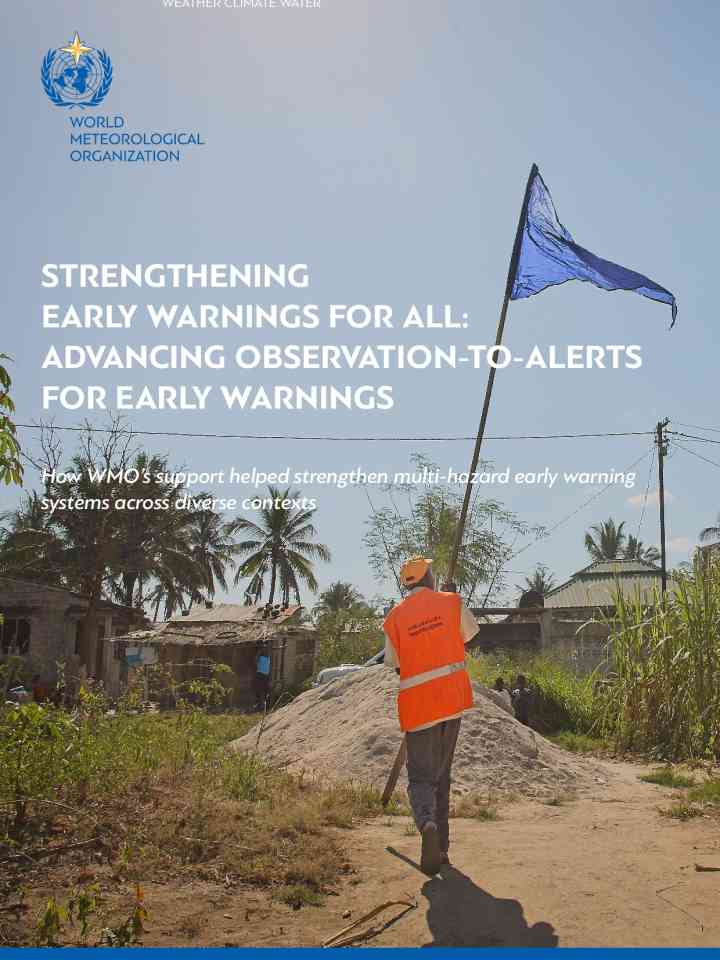
In Mozambique, experience from past disasters has helped shape a powerful national system for disaster risk reduction.

Latest Early warning additions in the Knowledge Base

Uploaded on
Resilient Western Balkans: Strengthening transboundary collaboration and capacities on disaster risk reduction and Early Warning Systems in the Western Balkans thumbnail
Documents and publications

The Year 1 narrative report highlights progress in strengthening disaster risk reduction, early warning systems and transboundary cooperation across the Western Balkans.

United Nations Office for Disaster Risk Reduction - Regional Office for Europe & Central Asia
Man outdoors checking weather forecast on his mobile phone
Update

Millions of people in Australia are about to feel their phones buzz with a message and hear a loud, siren-like warning. It’s a preview of how the country plans to warn its population when the next bushfire, flood or cyclone comes down.

Conversation Media Group, the
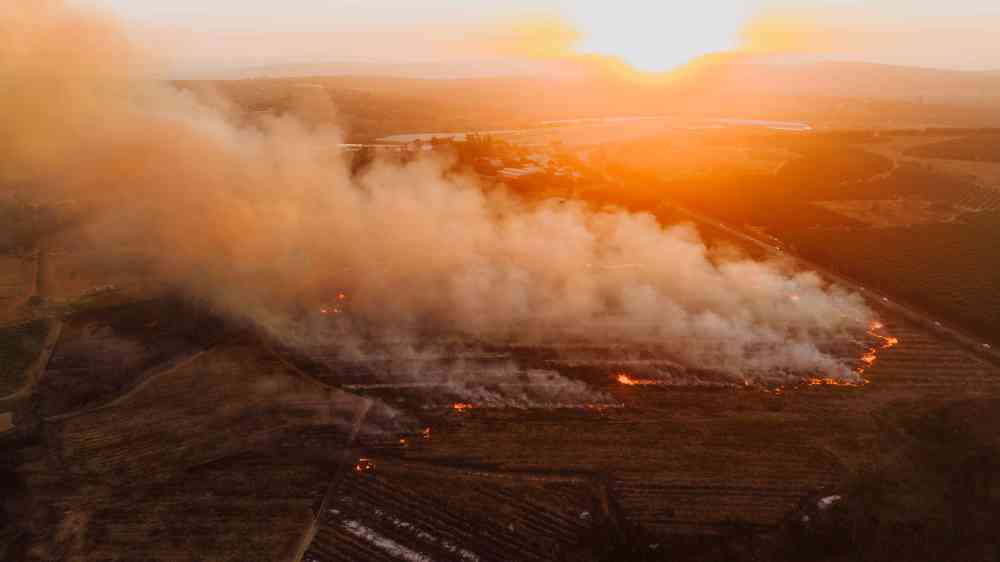
Wildfire burning land, photograph taken from above
Update

Artificial intelligence (AI) has had some bad press. However, AI is also showing its value as a transformative technology that could change the way we manage threats. One such threat is wildfire. Discover AI innovations in managing wildfire risk.

United Nations Office for Disaster Risk Reduction (UNDRR)
Learning from disaster: evaluating Pakistan's first national adaptation plan for flood risk management thumbnail
Documents and publications

This article critically reviews Pakistan's first National Adaptation Plan (NAP) and draws lessons from past major flood events, including the 2010 and 2022 floods, to assess the effectiveness of current flood risk management strategies.

Climate Resilience and Sustainability (RMetS)
Scoring the compliance of cell broadcast alert messages: Application in France and insights for authorities and future research thumbnail
Documents and publications

This study assesses cell broadcast alert messages in France, showing gaps between recommended practice and real use, and highlighting how clearer, more complete message content can improve public warning and protective action.

International Journal of Disaster Risk Reduction (Elsevier)
Associations of Emotional Divergence in Risk Communication With Forecast Error Type During Typhoon Khanun thumbnail
Documents and publications

This study examines how rainfall forecast errors during Typhoon Khanun shaped public emotions online, showing that underestimated and overestimated forecasts can increase anxiety, confusion and fatigue in risk communication.

AGU Advancing Earth and Space Science
Pacific emergency broadcasting: vital but critically underfunded thumbnail
Documents and publications

This article examines emergency communication in the Pacific, highlighting how national broadcasters are relied on during disasters but often lack the resources, infrastructure and formal support needed to stay on air.

Australian National University
Spanish Civil Guard vehicle assisting at a summer wildfire near a roadside.
Update

Forest fires will continue, meaning we need ongoing investment in prevention, land management and firefighting resources. But we also need to pay more attention to human behaviour.

Conversation Media Group, the
Uploaded on