
From early warning to early action: How Nigeria’s flood forecasts can save lives
This blog examines the last-mile gap between flood forecasts and household action in Nigeria, using Kogi State as a case study. Drawing on Ogunwumi (2025 )’s research and experiences with anticipatory cash, it explores why early warnings do not always lead to protective action. It highlights practical lessons for closing this gap by linking forecasts with anticipatory cash and offers recommendations for state governments and partners ahead of the 2027 budget cycle.
The blog is relevant to practitioners working on the fourth pillar of the Early Warnings for All (EW4All) initiative and anticipatory action in high-risk contexts.
In a small riverine community in Ibaji Local Government Area (LGA) of Kogi State, Mama Fatima listened to the radio crackling with the latest flood alert. The message from the Nigerian Meteorological Agency (NiMet) and the Nigeria Hydrological Services Agency (NIHSA) was clear: water levels on the Niger and Benue rivers were rising quickly.
Her children played nearby, unaware of the danger. She had heard similar warnings before.
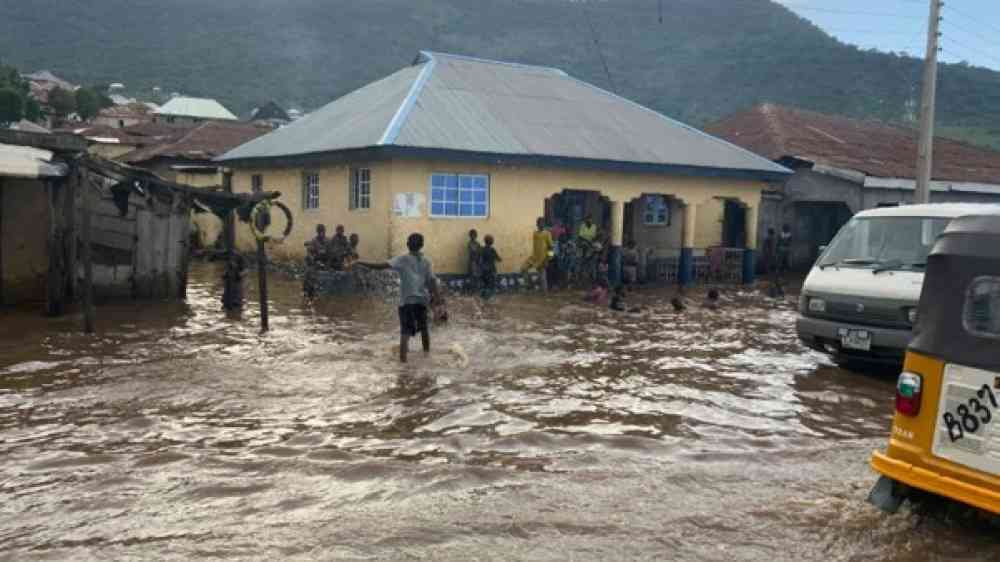
This time, she moved her few valuable belongings to higher ground, tied her goats closer to the house and waited. When the water arrived, it swallowed the farm, the path to the market and the only road out. The warning had arrived, but the practical actions that could have protected her family’s harvest never followed.
This experience is repeated across Nigeria. Forecasting has improved. NiMet’s seasonal outlooks and NIHSA’s annual flood predictions provide increasingly detailed information. The National Emergency Management Agency (NEMA) has shifted its focus from responding after disasters occur towards connecting early warnings with early action.
Yet many families remain caught between knowing that danger is coming and having the means to act.
The gap between warnings and action
Nigeria now issues forecasts months in advance. In 2026, NIHSA identified more than 14,000 communities across 33 states and the Federal Capital Territory (FCT) as being at risk of flooding. In Kogi State, 10 LGAs — Ajaokuta, Omala, Kogi, Lokoja, Ofu, Bassa, Idah, Adavi, Ibaji and Igalamela-Odolu — were placed on high alert.
NEMA and the Kogi State Emergency Management Agency (SEMA) also held stakeholder meetings in June 2026 to coordinate preparedness efforts.
On paper, the system is advancing.
However, the last mile, the final step between a forecast reaching a community and a family taking protective action, remains a challenge.
Research by Taiwo Ogunwumi (2025) on last-mile communities in Kogi State shows a recurring pattern. Many households receive early warnings through radio, Facebook or trusted community leaders. Awareness of flood risks is often high. Yet precautionary action remains limited.
People know the water is coming, but many lack the resources, clear options or timely support needed to move assets, reinforce homes or evacuate safely.
The warning travels. But coping capacity, the ability of households and communities to act on information, does not always keep pace.
This gap undermines the objectives of the Sendai Framework for Disaster Risk Reduction , which emphasises strengthening local coping capacities as a foundation for effective disaster risk management.
What the last mile looks like in Kogi
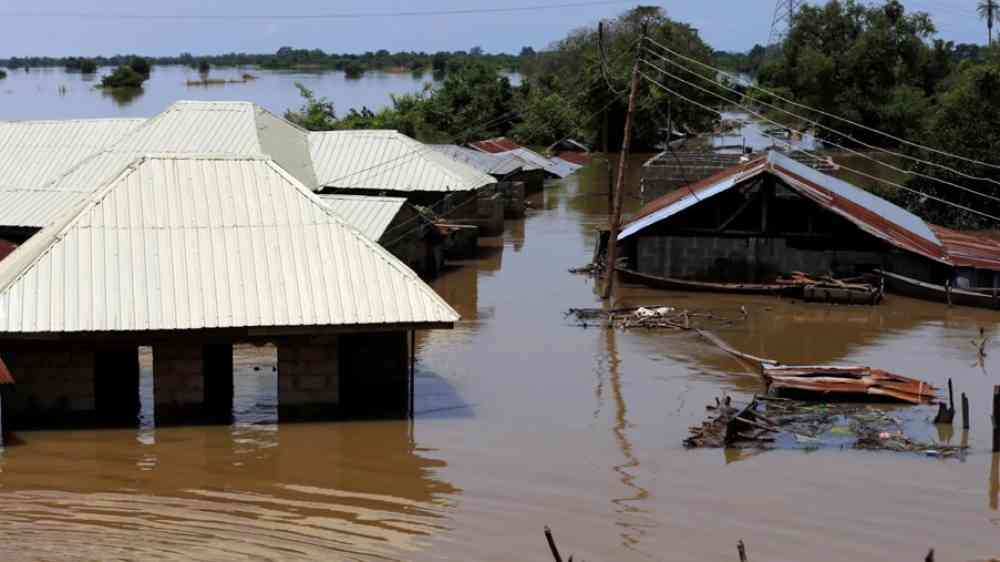
In riverine wards of Kogi State, communities can become isolated when rivers rise. Roads disappear, and mobile networks may become unreliable. The same geography that supports agricultural production can also make communities harder to reach during floods.
A 2025 study on household preparedness in Kogi’s last-mile communities by T. Ogunwumi found that access to official flood awareness activities from agencies remains limited. Household heads often become the main source of information shared within families.
The study also found differences between structural and non-structural preparedness measures. Structural measures involve physical actions such as elevating valuables or basic flood-proofing of homes, while non-structural measures include planning actions such as having a clear evacuation plan or accessing timely support. Gender can further influence who is able to make decisions and act quickly.
The result is familiar: families receive warnings, understand the risk, and still see their homes and harvests damaged by floodwaters.
When early action happens
The gap can be reduced. In parts of Kogi State, anticipatory cash transfers linked to flood forecasts reached thousands of families before peak flooding.
The approach combined detailed forecasts with local knowledge from NIHSA and community leaders. It provided unconditional cash transfers of around US$105 through simple Unstructured Supplementary Service Data (USSD) technology on basic mobile phones.
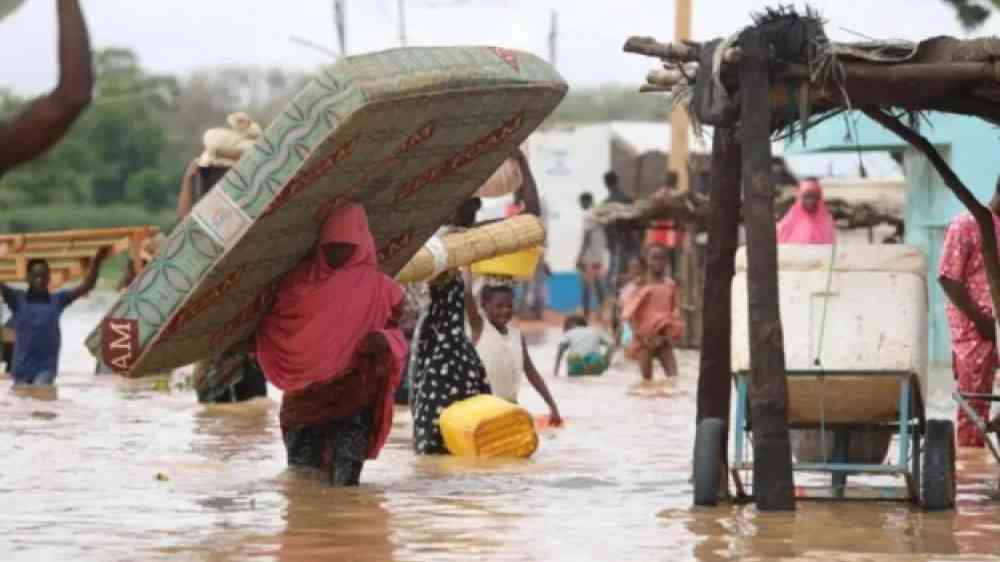
Families used the support in different ways. One woman evacuated her belongings in time. A father built bamboo rafts to protect farm produce and moved his children to safer buildings. Another man constructed a raft that allowed him to remain near his remaining assets while continuing to cook and provide protection.
Because the support arrived before flooding peaked, families were able to make decisions rather than only respond to losses.
The results included reduced food insecurity, faster income recovery and greater confidence in preparing for future floods.
This is what early warning to early action looks like when the last mile is deliberately designed rather than assumed.
The approach reflects the ambition of Pillar 4 of the United Nations Early Warnings for All (EW4All) initiative, launched by the UN Secretary-General in 2022. Pillar 4 focuses on preparedness to respond, ensuring communities have the systems, resources and capacity needed to act on early warnings before disasters occur.
Closing the gap
Closing the last-mile gap can protect lives, livelihoods, food systems and public resources by reducing repeated emergency response costs.
Anticipatory cash transfers of around US$105 per household are substantially cheaper than the full costs of post-flood relief and recovery.
Nigeria does not need only better forecasts. It needs systems that treat the last mile as the most important part of early warning systems.
This means:
- delivering localised warnings through trusted channels;
- linking warnings with anticipatory support;
- strengthening community-based systems that combine scientific information with local knowledge; and
- developing clear evacuation plans with defined roles and responsibilities.
State governments in high-risk LGAs, working with NEMA, Kogi SEMA and development partners, should consider piloting anticipatory cash linked to localised warnings during the 2027 budget cycle, using NIHSA forecasts as triggers.
Allocating resources for last-mile anticipatory action now can help reduce both human suffering and future financial pressures.
A good forecast tells us that water is coming. A good early action system ensures that when it arrives, families like Mama Fatima’s have already protected what matters most.