Environmental degradation
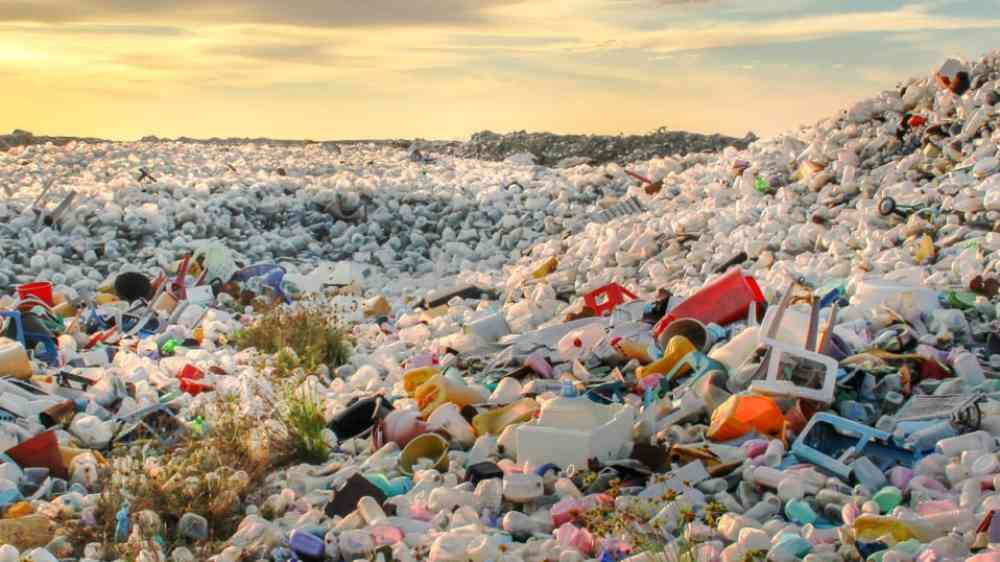
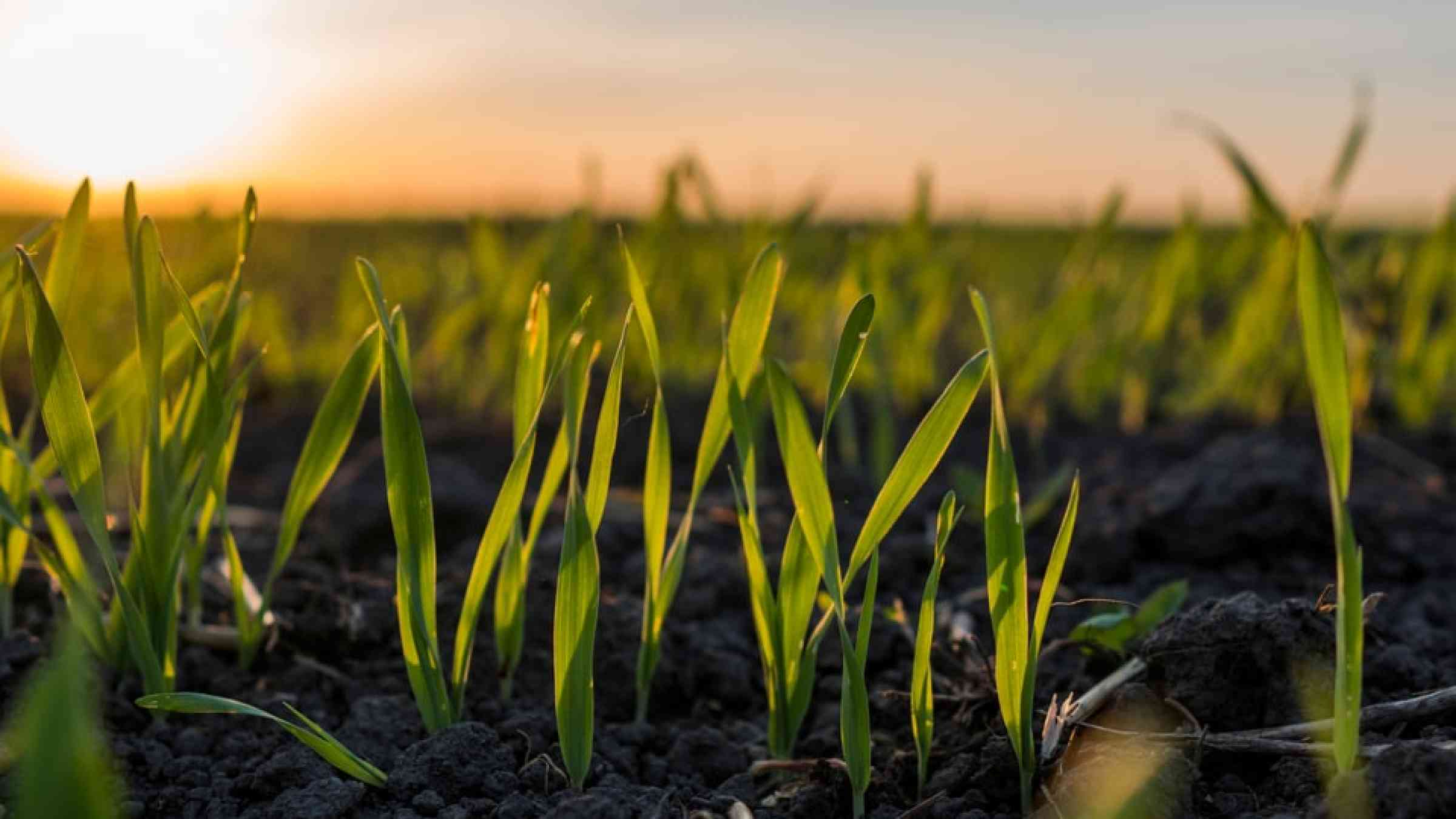
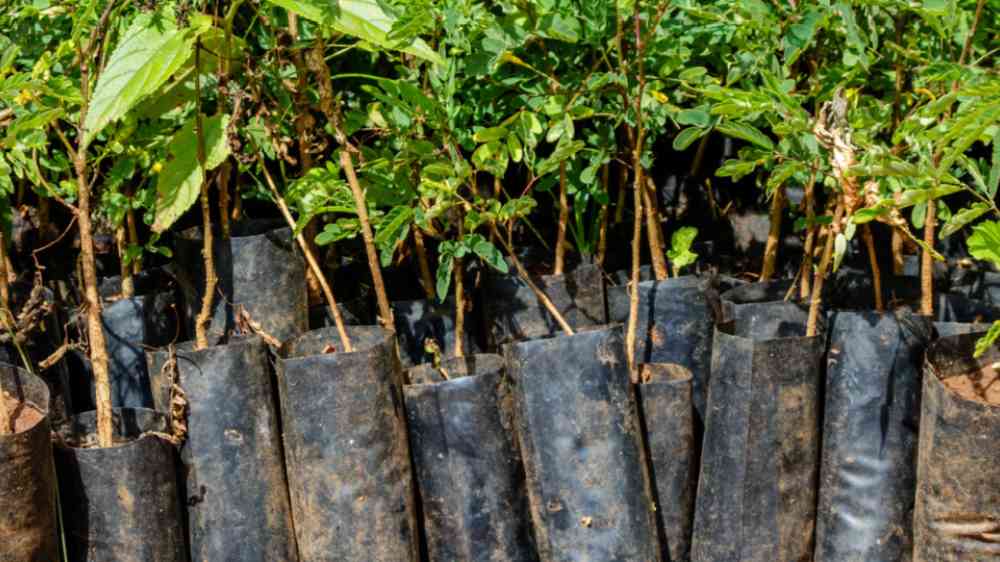
Environmental degradation is both a driver and consequence of disasters, reducing the capacity of the environment to meet social and ecological needs.
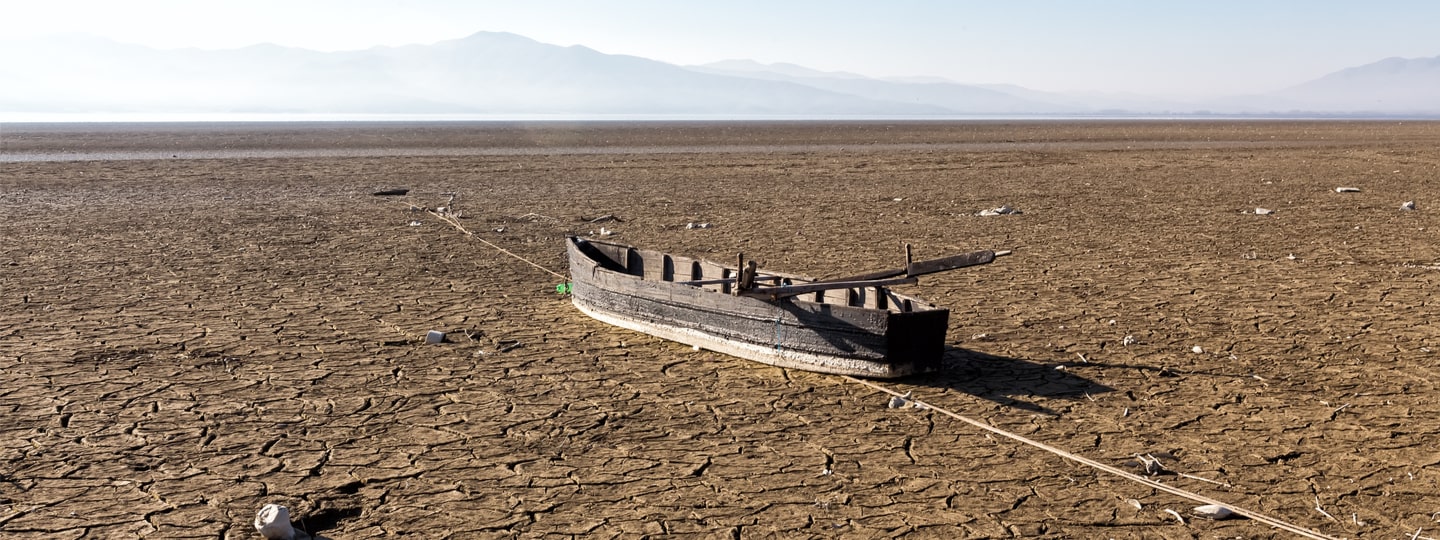
Source: Ververidis Vasilis/Shutterstock
Over consumption of natural resources results in environmental degradation, reducing the effectiveness of essential ecosystem services, such as the mitigation of floods and landslides. This leads to increased risk from disasters, and in turn, natural hazards can further degrade the environment.
77 out of 193 UN Member States have peatlands - critical carbon sinks and biodiversity hotspots, yet agriculture, urbanization, deforestation, and industrial activities put them - and the essential ecosystems services they provide - at risk everywhere.
UNEP, 2024
The reduction of the capacity of the environment to meet social and ecological objectives and needs is described as environmental degradation. This degradation and the associated decline of ecosystems and their invaluable services (the benefits we obtain) are driving disaster risk. Changes to the environment can influence the frequency and intensity of hazards, as well as our exposure and vulnerability to these hazards. For instance, deforestation of slopes often leads to an increase in landslide hazard and removal of mangroves can increase the damage caused by storm surges.
Up to 40% of the planet's land is degraded, directly affecting half of humanity, threatening roughly half of global GDP (USD 44 trillion).
UNCCD, 2022
Land degradation is both a cause and effect of rural poverty and vulnerability. Poor rural households in developing countries suffer disproportionately from land degradation, the direct effects of which include losses in soil organic content, nutrients and water storage and regulation, which in turn lead to a loss of productive capacity and wildlife habitat. In the low input-low output agricultural systems common to poor rural areas, such as sub-Saharan Africa, nutrient inputs to the soil are almost always less than the outputs. Land degradation, therefore, particularly drives drought risk, but can also drive climate change, leading to increases in average (mean) temperatures and decreases in mean precipitation at the local level.

Most ecosystems have been intentionally or unintentionally modified to increase the supply of certain services. However, an increase in the supply of services can frequently lead to declines in other services, because ecosystems produce many services simultaneously. For example, increased food production changes the absorption capacity of the land and can lead to reduced flood protection.
Rates of overconsumption now exceed the biocapacity of the planet by 55%.
Global Footprint Network, WWF
Population growth and economic development area seen as ubiquitous drivers of environmental change through energy, transport, urbanisation, and globalisation. Economic growth is often associated with ecosystem destruction and degradation, for example with the conversion of mangrove forests into shrimp farms, primary forests into plantations to produce palm oil or soya, or wetlands and floodplains into urban developments, or with the processes of land degradation and aquifer exhaustion associated with intensive agriculture. The pursuit of unlimited economic growth has led to an increasing and unsustainable overconsumption of energy, fresh water, forests and marine habitats, clean air and rich soil at the global scale.

As with other risk drivers, consumption is characterized by social and geographical inequality. Many of the disaster risks associated with the overconsumption of energy and natural capital are not borne by those who benefit from the consumption and wealth generated, but is instead transferred to others who rarely see the benefits of consumption. This situation can lead to the redistribution of disaster risks and the associated losses and impacts - thus driving risk inequality.
Those who did nothing to create this crisis are paying the highest price.
António Guterres, Secretary-General of the United Nations
Opportunities for building resilience
Minimize the impact of climate change and ocean acidification on biodiversity and increase its resilience through mitigation, adaptation, and disaster risk reduction actions, including through nature-based solution and/or ecosystem-based approaches, while minimizing negative and fostering positive impacts of climate action on biodiversity.
Target 8, Global Biodiversity Framework

At the local level, reducing environmental degradation and ecosystem decline requires acknowledgement of the links between unsustainable development and poverty. Communities are often driven to degrade their natural environment as short-term coping mechanism for dealing with immediate problems; for instance, surviving a failed harvest by selling wood. Strategies for reducing poverty by investing in environment-sensitive development should therefore support efforts to reduce disaster risk and enhance resilience.
Restore, maintain and enhance nature’s contributions to people, including ecosystem functions and services, such as regulation of air, water, and climate,soil health, pollination and reduction of disease risk, as well as protection from natural hazards and disasters, through nature-based solutions and ecosystem-based approaches for the benefit of all people and nature.
Target 12, Global Biodiversity Framework
A number of approaches and tools in environmental management, including environmental impact assessments, now take explicit account of disaster risk, while increasing investments are now being made in ecosystem approaches to disaster risk management at all levels.
There are some key examples of integrated approaches that have been scaled up with success. For instance, the CLEVER Cities project, run by the cities of Hamburg, London and Milan, is using nature-based solutions as a means to improve public health, social cohesion, and citizen security while increasing economic opportunities. While, in Chile, the collaborative programme Adaptation at Altitude, launched and co-supported by the Swiss Agency for Development and Cooperation, aims to boost the resilience and adaptation of mountain communities in the face of climate change.

At the policy level, there are common elements in successful policies across the regions, which extend to managing climate change. Tools such as integrated water resources and coastal zone management; the removal of environmentally harmful subsidies, especially on fossil fuels and/or carbon taxes; renewable energy, protected areas, and biodiversity conservation, are all examples of policies used in more than one region, but customized to each context. Formal, robust, and well-established governance mechanisms and structures at all governance levels are a necessary foundation for successful implementation of environmental policies.

Innovative schemes including ‘green infrastructure’ projects that maximise ecosystem services, including the reduction of flood risks, have been implemented. For example, the city of Beira, in Mozambique, initiated a community-based mangrove restoration project. The city also brought together community groups to lead river clean-ups, establish a waste-collection program for informal settlements, and create outreach campaigns to raise awareness about the river’s importance and role in mitigating urban flooding. This was done alongside gray interventions that included widening the river’s tidal basin to increase its stormwater retention function and building a controllable tidal outlet to regulate the incoming and outgoing flow.
Last updated: December 2025