Understanding disaster risk: Risk drivers
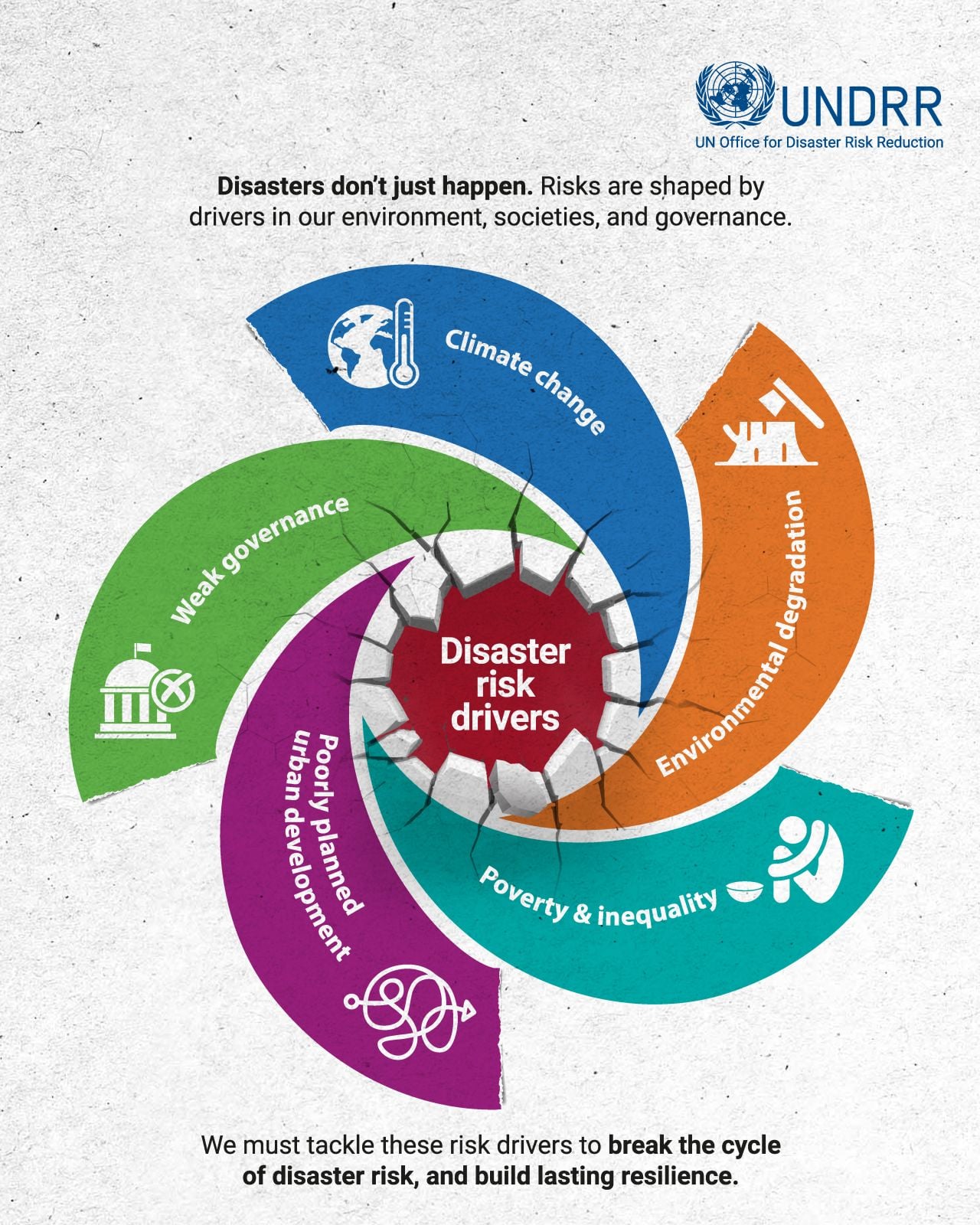
Risk is influenced by the decisions we make. From climate change to poor urban planning, it is critical to understand and address risk drivers to curb disaster risk.
]
]
]
Explore each risk driver below:

Climate change can increase disaster risk in a variety of ways - by altering the frequency and intensity of hazard events, affecting vulnerability to hazards, and changing exposure patterns.

Environmental degradation is both a driver and consequence of disasters, reducing the capacity of the environment to meet social and ecological needs.

This has increased vulnerability to disasters in some cases, whilst increasing exposure to hazards in others as more (and often more valuable) assets are developed in hazard-prone areas.
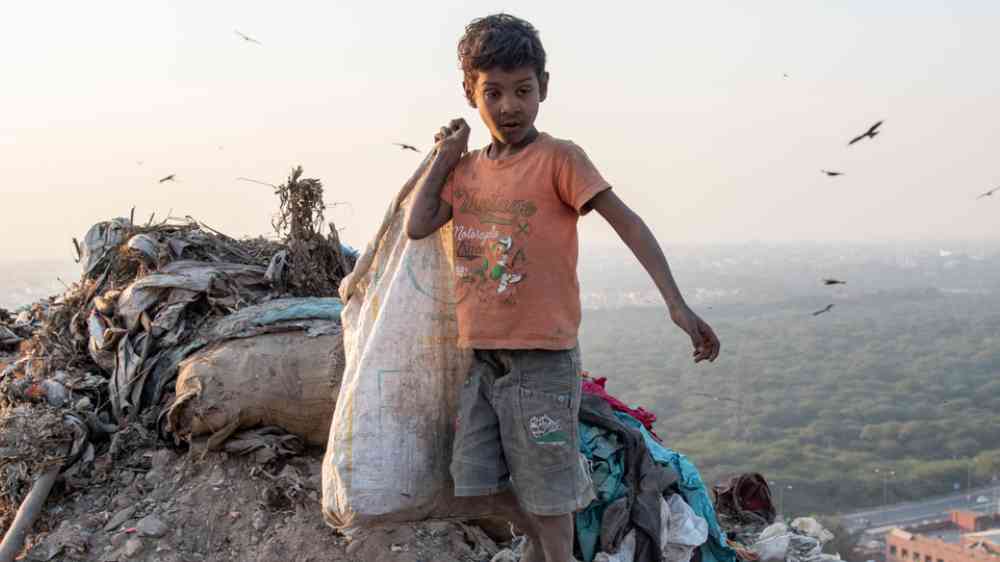
Poverty is both a driver and consequence of disasters, and the processes that further disaster risk related poverty are permeated with inequality.
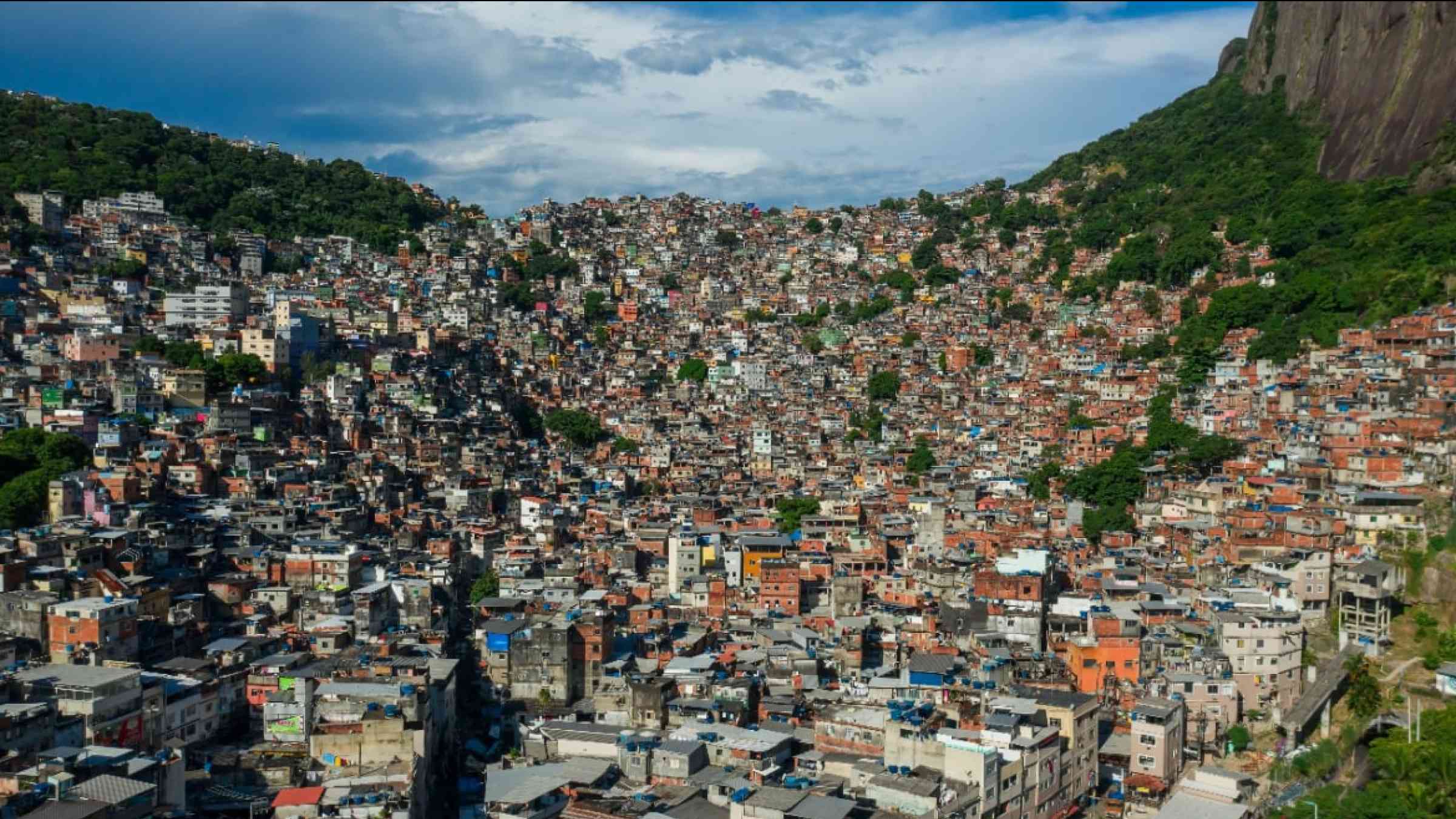
Whether or not disaster risk is factored into investment decisions in urban development will have a decisive influence on the future of disaster risk reduction.

Investment environments in which public sector actors do not assume their roles and responsibilities.
This is part of the Understanding Disaster Risk section on PreventionWeb, which explains the concept of disaster risk, risk assessment, and management strategies, emphasizing collaboration among stakeholders for effective disaster risk reduction.