Climate change threatens the world’s drinking water
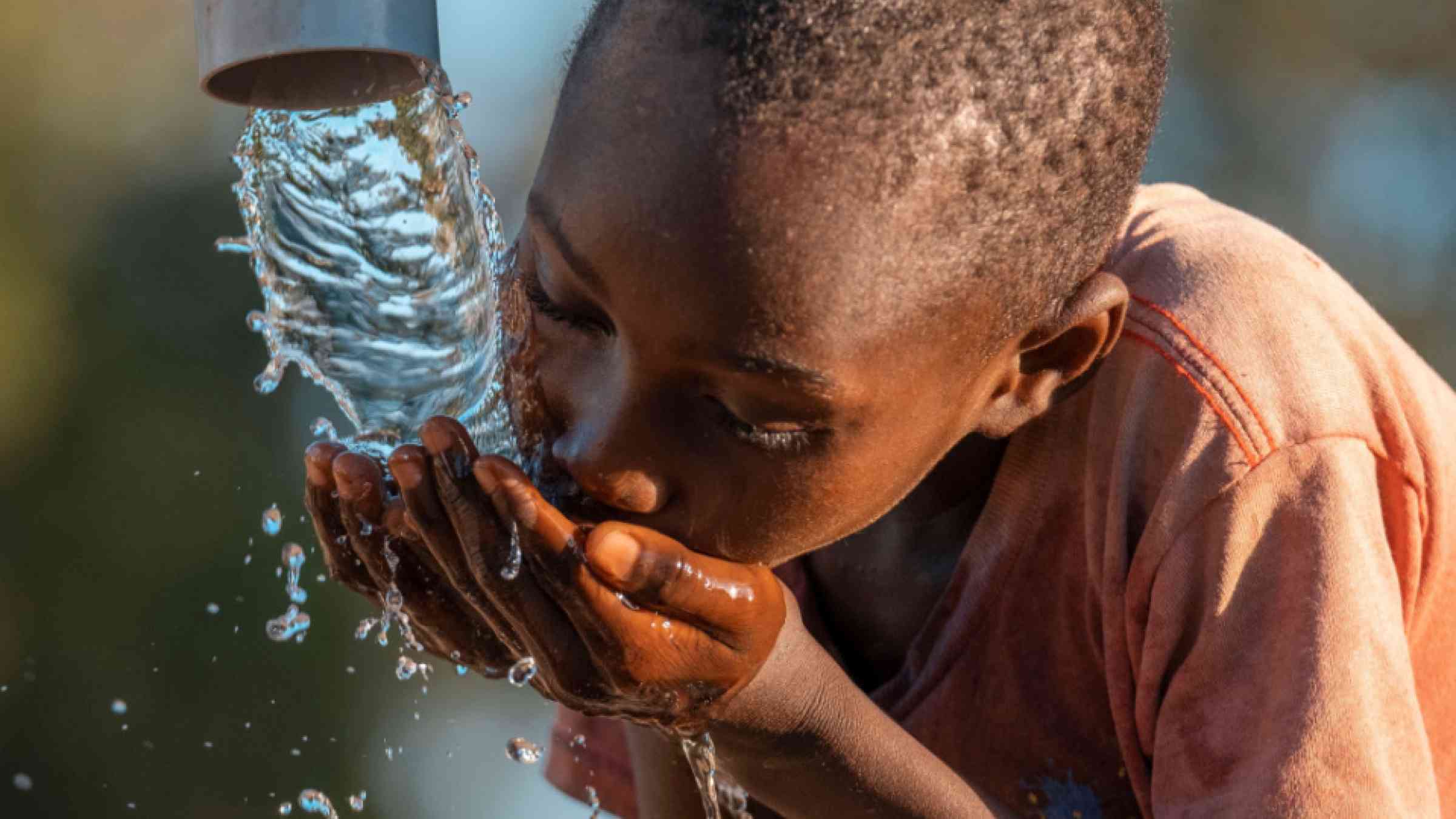
Climate change intensifies groundwater contamination via multiple pathways, calling for urgent, coordinated adaptation.
The article highlights the growing climate pressures on drinking water systems and outlines pathways toward climate-resilient solutions.
Climate change is increasingly threatening the quantity and quality of global drinking-water sources. Groundwater supplies nearly 50% of the world’s population, with surface water and alternative sources meeting the rest. Yet, rising hydrological extremes, temperature shifts, and changing organic-matter dynamics are pushing conventional treatment systems to their limits. Floods mobilize contaminants, droughts concentrate salts and pollutants, higher temperatures accelerate disinfectant decay and microbial growth, and reactive organic compounds complicate treatment while increasing disinfection by-product risks.
Related content: We need to put water at the heart of climate action
💧 Water gives life — but it can also take it away.
These pressures highlight the urgent need to adapt and optimize drinking-water systems. Achieving climate-resilient water supply will require interdisciplinary collaboration among water scientists, engineers, climate experts, and public health professionals. Examples from the Netherlands, Switzerland, and Singapore demonstrate that proactive and collaborative adaptation can secure resilient water supplies. Without urgent action, millions by the end of the century will face regions where groundwater availability and quality are severely compromised.