1. Home
  2. Knowledge Base | PreventionWeb

DRR Community Voices

The DRR Community Voices share personal stories and perspectives from the disaster risk reduction trenches on reducing risk and building resilience.

  • Our posts from both practitioners and academics reach a global audience and can influence policy, practices and approaches.
  • We invite you to propose your own blog and submit it for review.

Republishing guidelines

  • Please contact us if you wish to republish a blog article.
  • Most articles can be republished under CC BY-NC-SA 3.0 IGO Deed.
  • You must give appropriate credit, provide a link to the license, and indicate if changes were made.
  • You may not use the material for commercial purposes.

Uploaded on
Uploaded on
Graphic drawing communication with a thought
Anni Fordham
When emergencies strike, clear communication saves lives. Yet, accessing critical information remains challenging for many culturally and linguistically diverse communities.
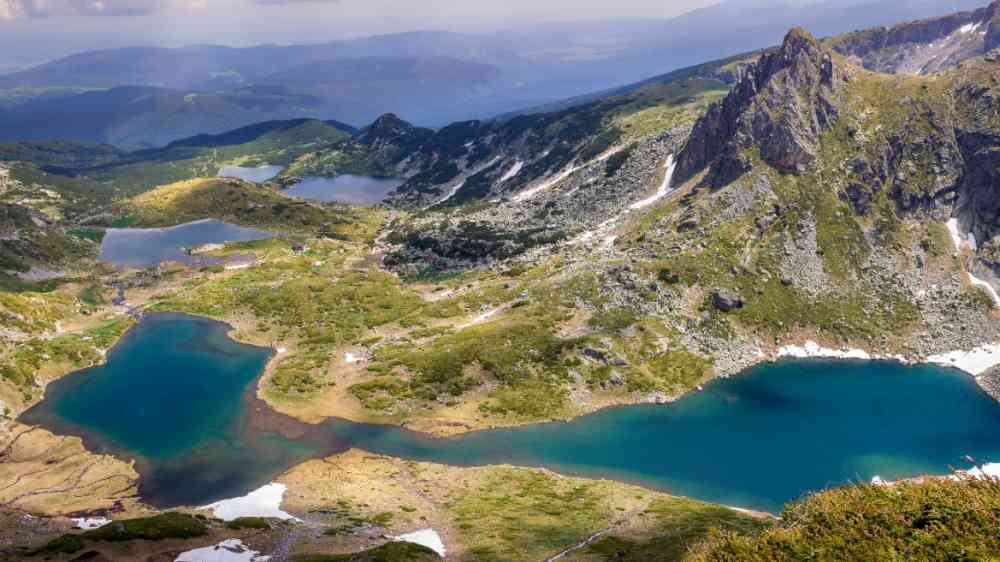
Panoramic, colorful, sunlit view from the Lakes summit on Rila mountain, Bulgaria: The Twin lake, The Trefoil lake, Fish Lake and The Lower lake
Alex Mackey
Risks from GLOFs are expected to increase as new lakes form from melting and rapidly retreating glaciers due to climate change. The number of glacial lakes has increased by 53 per cent since 1990.
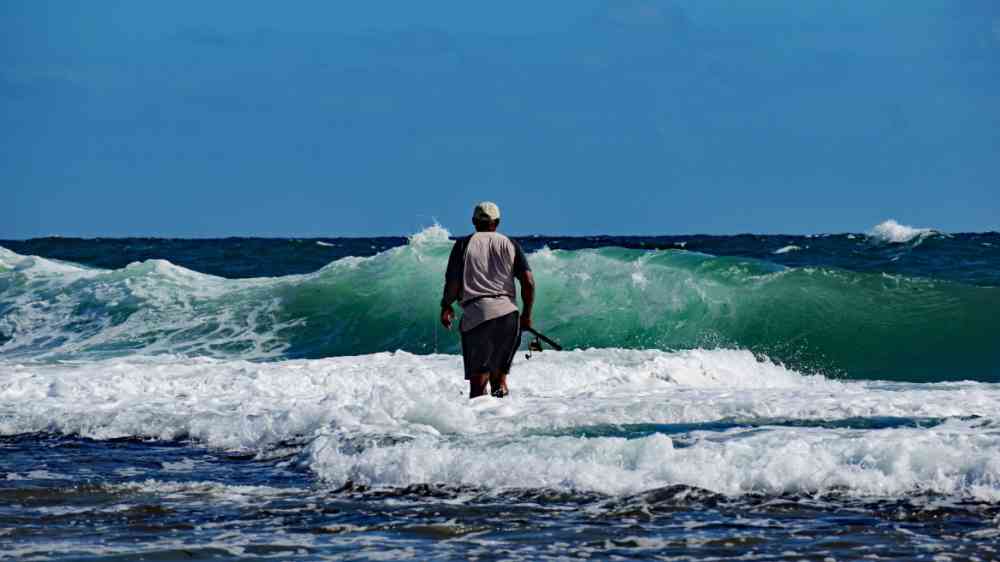
A lone fisherman on the east coast of Barbados during COVID-19 shutdown.
Christal Benjamin
There is an urgent need to scale up and integrate good practices for early warning and early action in Barbados, and other Small Island Developing States in the Caribbean and around the world.
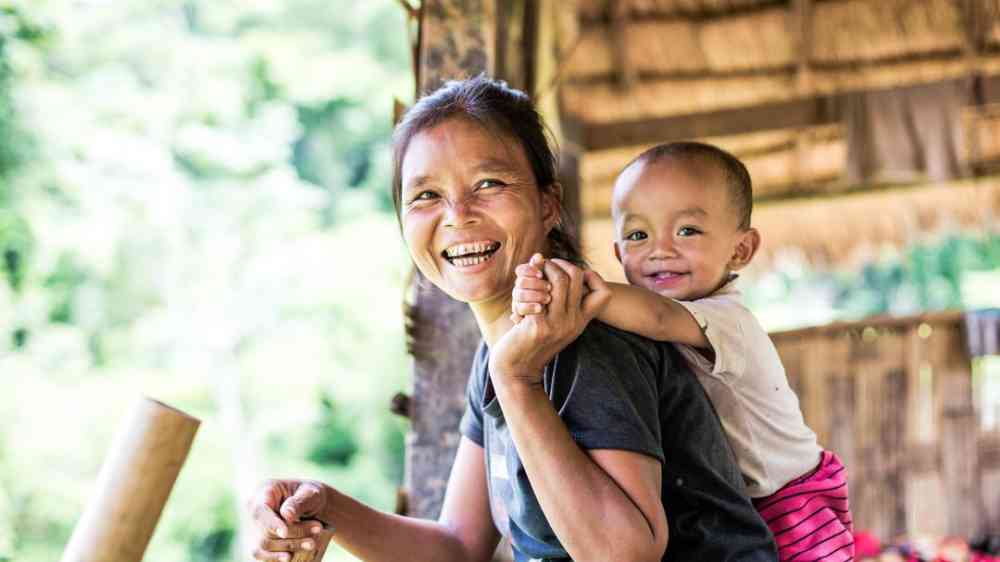
a mother with her son
Gefra Fulane
Too often, disaster risk reduction (DRR) strategies focus on delivering information, rather than understanding how people receive it and what makes them act. Risk, after all, is not just something calculated by meteorologists or agencies.
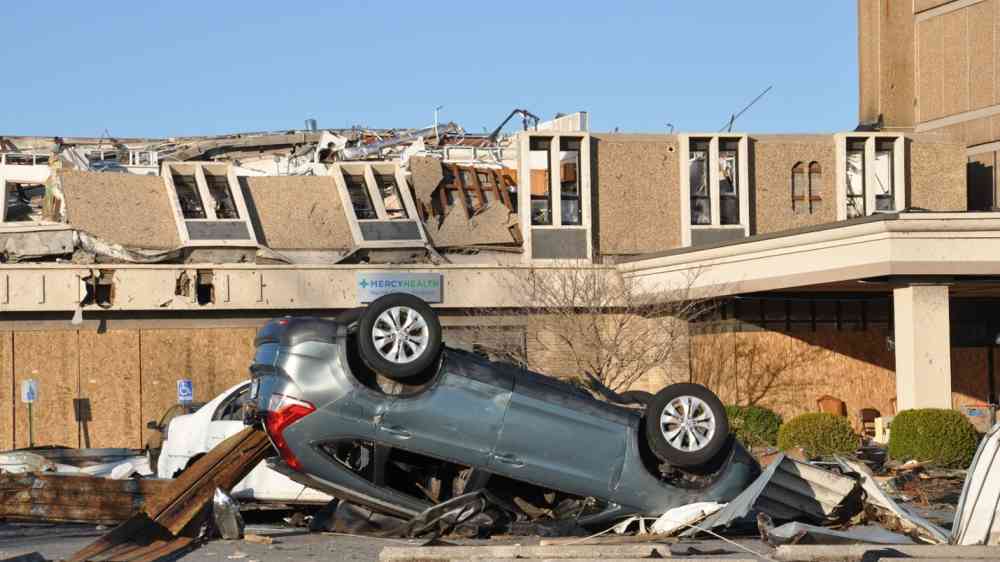
Car damage after a tornado
Ommid Saberi Diep Nguyen-van Houtte
Green buildings have made real progress over the past decade. At IFC, our Excellence in Design for Greater Efficiencies (EDGE) green building programme has helped to certify thousands of energy- and resource-efficient buildings.
water in a city
Jamal Bahaj
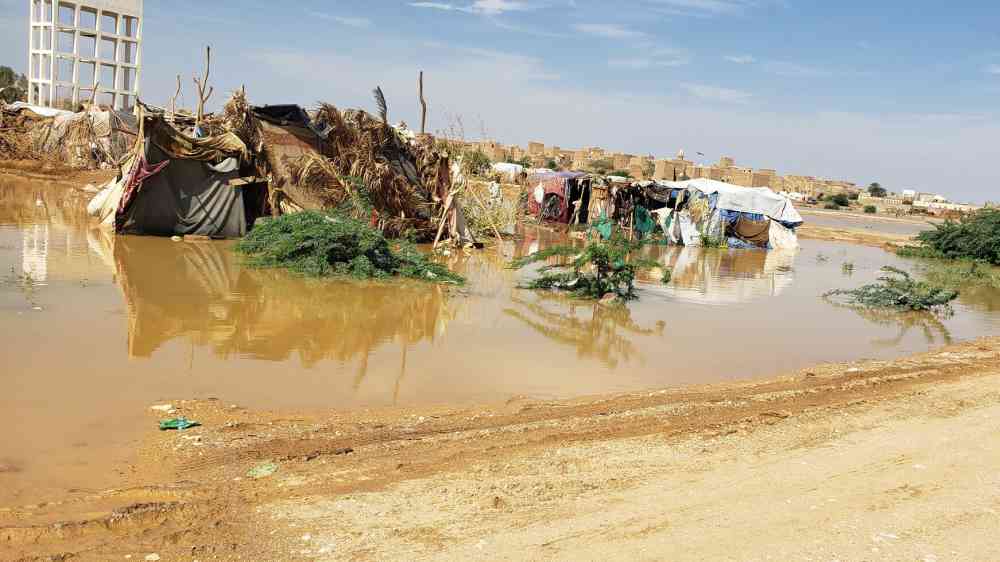
Yemen Al-Khair for Relief and Development (YARD) has long understood that building resilience in Yemen's complex context requires local leadership, evidence-based planning and community engagement.
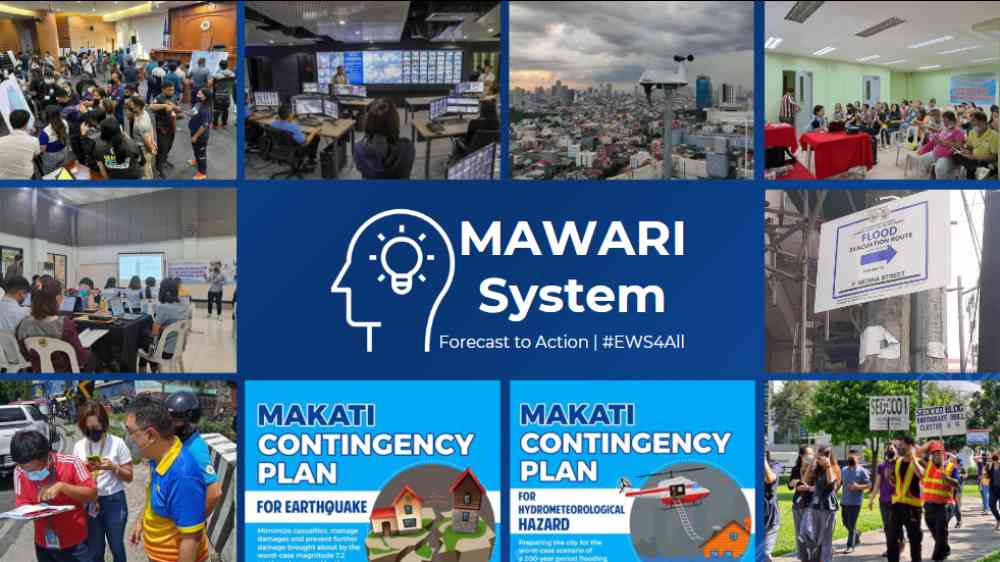
The components of the Makati early warning system
Zean Denice T. Campo
MAWARI is more than just an early warning system. It's a philosophy of disaster risk reduction rooted in science, local knowledge and community trust. At its core is one simple but powerful belief: information alone doesn't save lives.
ndian woman and baby in her arms are smiling with very good mood in Goa, India
Dr. Saravanan Thangarajan
In 2024, the author surveyed 391 mothers and conducted six in-depth interviews across 38 vulnerable districts. Their stories reveal a critical truth: maternal resilience must be central to global disaster risk reduction strategies.