1. Home
  2. Knowledge Base | PreventionWeb

DRR Community Voices

The DRR Community Voices share personal stories and perspectives from the disaster risk reduction trenches on reducing risk and building resilience.

  • Our posts from both practitioners and academics reach a global audience and can influence policy, practices and approaches.
  • We invite you to propose your own blog and submit it for review.

Republishing guidelines

  • Please contact us if you wish to republish a blog article.
  • Most articles can be republished under CC BY-NC-SA 3.0 IGO Deed.
  • You must give appropriate credit, provide a link to the license, and indicate if changes were made.
  • You may not use the material for commercial purposes.
Uploaded on
The view of yurts nomad village in Tash-Rabat in Kyrgyzstan
Salavat Baktybek
Case study of 15 households affected by Kyrgyzstan’s 2024 mudflow reveals how poverty, low insurance coverage and infrastructure gaps prolonged recovery. Residents want stronger drainage, risk reduction investments and community participation.
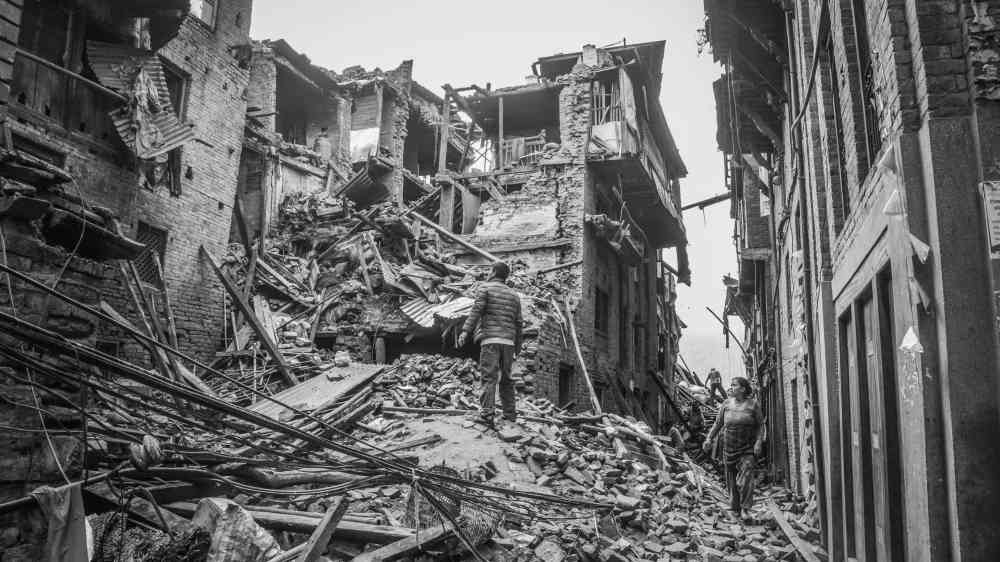
Rubble and destruction in Bhaktapur, Nepal, post-earthquake, capturing the aftermath and human resilience.
Ilan Kelman
Disasters are not natural but result from social vulnerabilities, inequality and policy choices. This blog argues that focusing on vulnerability, rather than labels such as “natural” or “hybrid” disasters, is key to reducing risk and preventing crises.
Close-up view of a mouse cursor over digital security text on display.
Patrick Shaw
Disaster risk management has continually evolved in response to changing risk landscapes. As communities become more dependent on digital infrastructure, resilience will increasingly depend on protecting both physical and digital systems.
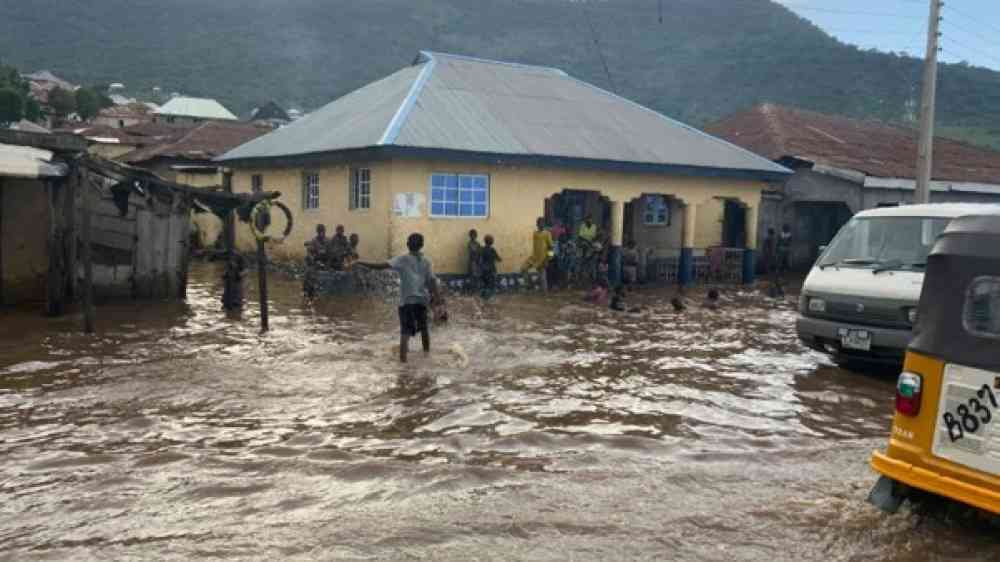
Children around flooded houses in Nigeria
Omowaye Emmanuel Pelumi
This blog examines the last-mile gap between flood forecasts and household action in Nigeria, using Kogi State as a case study. It explores why early warnings do not always lead to protective action.
Professional Meteorologist Analyzing Climate Science Data For Weather Forecast.
Bapon Fakhruddin Matti Heikkurinen
Adaptation is not a single dataset. It comprises numerous distinct data holdings distributed across NHMSs, sectoral ministries, NDMAs. Each of these sources operates within its own technical conventions. As a result, data may not be directly comparable.
Drone captures dramatic scene of firefighters battling a blaze in Minnesota.
Julie Flore
When aerial observation is connected to field verification, engineering judgement and a clear recovery decision, it can save time, reduce avoidable exposure and make infrastructure recovery more accountable.
Modern city and environmental technology concept.
Dr. Alan Bostakian
UNDRR's Ten Essentials for Making Cities Resilient provide a framework for strengthening urban resilience. The Association of Change Management Professionals (ACMP) Standard for Change Management® offers a complementary perspective.
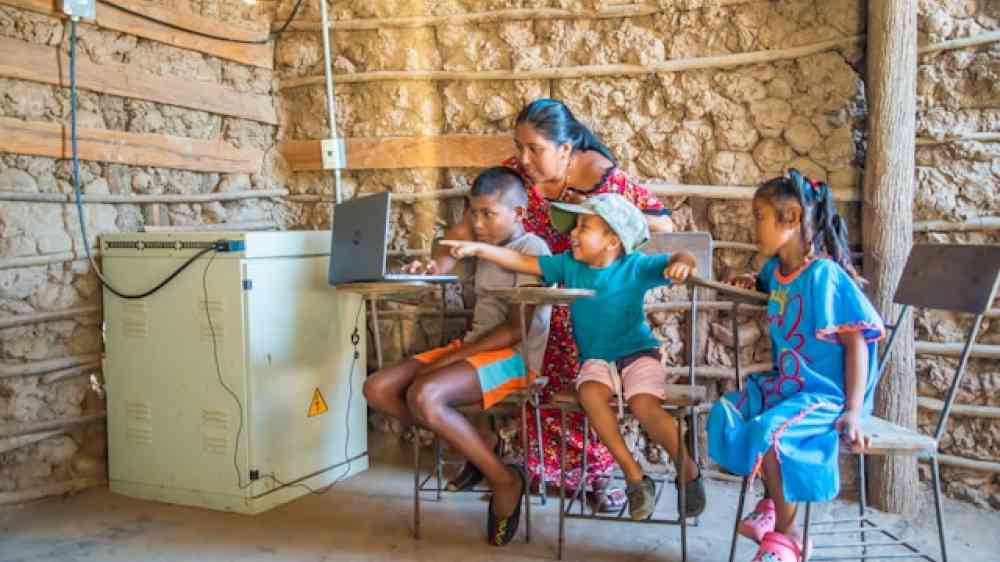
Teacher helps children learn on laptop in rustic room.
Shubham Kashyap
Resilient infrastructure enables Indigenous communities to remain on their ancestral lands and protects more than lives and livelihoods. It also helps preserve languages, cultures and the knowledge systems that underpin resilience.