My account
Menu
Your experience on PreventionWeb

Please help us improve PreventionWeb by taking this brief survey. Your input will allow us to better serve the needs of the DRR community.

See the survey

Published on
4 June 2021
Status
Progress not updated

Promoting Multi-disciplinary DRR Through Research and Innovation in Higher Education in the Arab Region

Expected duration
Feb 2019 - Dec 2030
SFVC commitment ID
20210527_001
Version
1.0
Author
Chadi ABDALLAH
Upload your content

Promoting the inclusion of multi-disciplinary DRR in higher education through research, innovation and professional training in the Arab region.

    Description

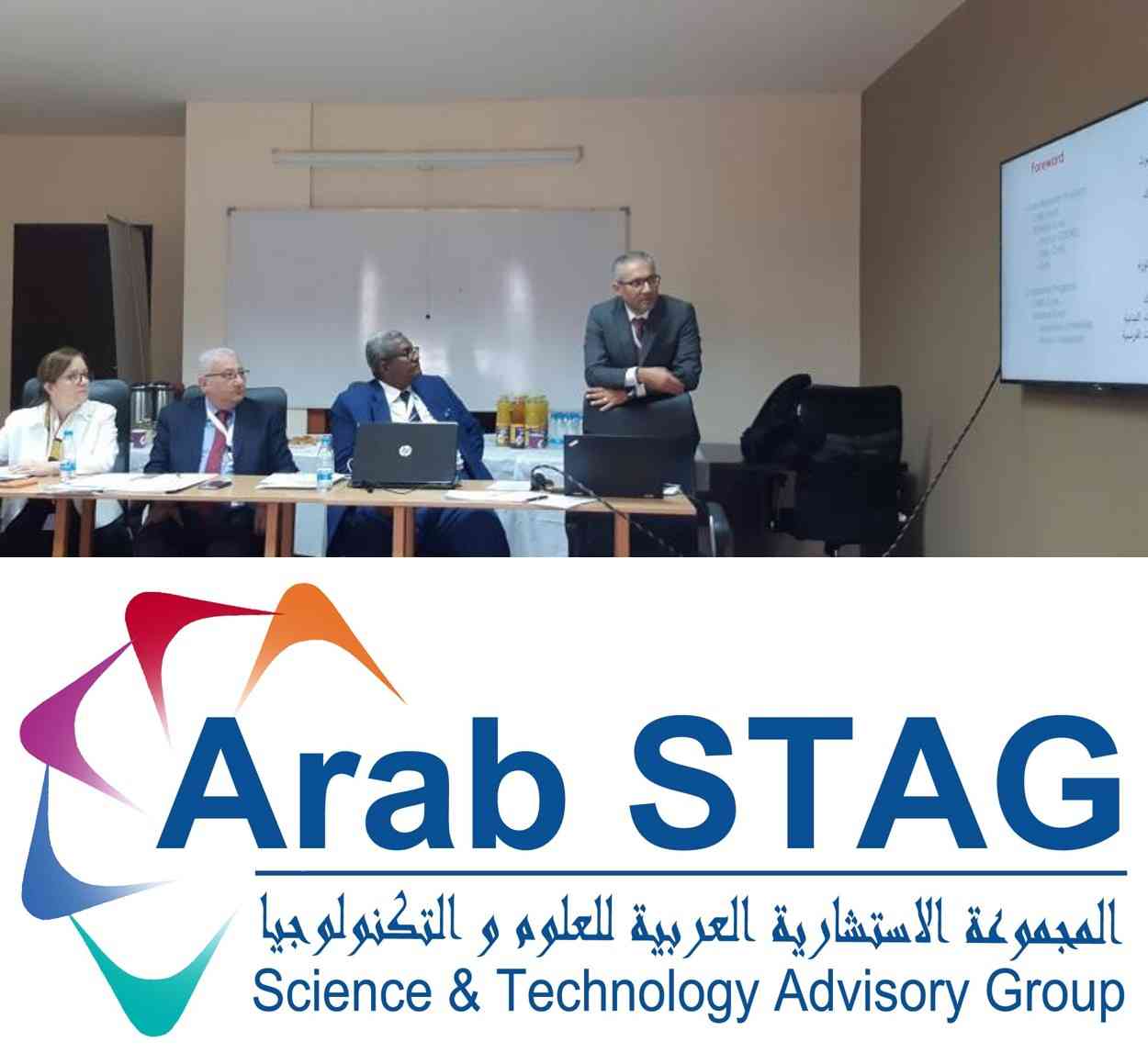
    The role of the Arab STAG is to provide scientific information and technical advice to the Arab Region and coordinate strategic engagement of science, research and technology with decisionmakers to increase to Arab Region’s resilience and strengthen the regional and national disaster risk reduction (DRR) programs to serve Sustainable Development.

    This commitment is aimed at promoting multi-disciplinary DRR, research and innovation inclusion in higher education as well as professional training through regional related organizations: Implementing DRR in the curriculums is a very effective starting point to enlarge the scientific network on DRR. This will ensure human resource development in the DRR field.

    Specific actions include:
    • Develop DRR curriculums to be embedded in Higher education studies
    • Encourage grants for academic Research related to DRR
    • Encourage affiliations with foreigner institutes already developed in the field.
    • Promote E-learning and Blended Technology DRR studies

    This commitment is in line with the Voluntary Action Statement of 2018 as well as with the Arab STAG role and functions, containing short and a long term milestones. Short term actions are related towards the implementation of the Arab Regional Strategy for DRR. These actions can be resumed to developing a status report on science and technology in DRR in the Arab Region, organizing the Arab Science-Policy dialogue focusing on DRR, engaging the Arab STAG with the global STAG, supporting Sustainable Development & Climate Change, developing a network of science institutions and prepare a roster of experts on DRR. Long term actions set are related to the implementation of Sendai Framework priorities towards a) Risk Prevention, b) Risk Reduction and c) Strengthening Resilience. As long term actions, the Arab STAG proposed to get engaged with governments to increase investment of public and private sectors on science & technology in DRR, prepare sectoral guidance how to bring science and technology in sectorial plans, and promote DRR, research and innovation inclusion in higher education through regional related organizations. Actions, indicators, and deliverables are detailed in the Arab STAG Voluntary Action Statement.

    Did the Sendai Framework change or contribute to changes in your activities/organization? If so, how?

    The Sendai Framework shifted the focus from managing disasters to preventing risk. We found an opportunity to shed more light on evidence of risk in terms of hazards, exposure and vulnerability from a science and technology point of view.

    There are several mentions to science and technology in the Sendai Framework. For instance, paragraph 36 (b) underlines the need for academia, scientific and research entities to increase their focus on disaster risk factors and scenarios in the medium and long term for regional, national and local applications in coordination with those in charge of policy designing and implementation. Our commitment is in line with these requests by the Sendai Framework.

    What led you to make this commitment/initiative?

    What was your position before making this Voluntary Commitment / prior to the Sendai Framework?

    We are motivated by being a leading entity providing scientific information and technical advice in the Arab Region for Disaster Risk Reduction (DRR). We believe that DRR is a pre-condition for sustainable development. Furthermore, paragraph 25 (g) of the Sendai Framework encourages to strengthen the mobilization and coordination within existing networks, in particular those of the UNDRR Scientific and Technical Advisory Group to enhance the scientific and technical work on DRR. The Sendai Framework has underlined the role of academia, science, and technology institutions and facilitated a clear roadmap for developing our contributions.

    Deliverables and Progress report

    Deliverables

    Deliverables are the end-products of the initiative/commitment, which can include issuance of publications or knowledge products, outcomes of workshops, training programs, videos, links, photographs, etc.

    Promoting multi-disciplinary DRR through research and innovation
    Intended date of delivery
    31 October 2030

    • At least 5 countries in the region will have at least 1 university providing Master level programs in DRR
    • Increase in the conducted research\activities and innovations in the DRR domain
    • DRR, CC & SDGs multidisciplinary and transnational degrees, schools and research projects
    • Establish DRR unit inside these educational and research institutes.
    • Certified Training programs/courses on DRR
    • Double degrees, mobility of students, academics and technical staff

    Our deliverable will be presented in the form of a brief or report and/or press releases.

    Organizations and focal points

    Implementing Organization(s)

    • Arab Science and Technology Advisory Group for Disaster Risk Reduction

    Focal points

    Main focal point
    Chadi ABDALLAH (Chair , Arab STAG)

    Partners

    • United Nations Office for Disaster Risk Reduction (UNDRR)

    Explore further

    Sendai priorities
    Priority 1Understanding disaster risk
    Priority 2Strengthening disaster risk governance to manage disaster risk
    Priority 3Investing in disaster risk reduction for resilience
    Sendai targets and indicators
    E-1 (Compound)National average score for the adoption and implementation of national disaster risk reduction strategies in line with the Sendai Framework for Disaster Risk Reduction 2015-2030
    F-5Number of international, regional and bilateral programmes and initiatives for the transfer and exchange of science, technology and innovation in disaster risk reduction for developing countries
    F-7Number of international, regional and bilateral programmes and initiatives for disaster risk reduction-related capacity-building in developing countries
    F-8Number of developing countries supported by international, regional and bilateral initiatives to strengthen their disaster risk reduction-related statistical capacity
    Hazards Drought and Desertification Earthquake Flood Heatwave and Extreme Heat Landslide Tsunami Volcano Wildfire
    Themes Climate change Community-based DRR Preparedness Early warning Environment and ecosystems Science-policy-practice interface
    Country and region Africa Asia
    Sustainable Development Goals SDG4: Quality education SDG9: Industry, innovation and infrastructure SDG11: Sustainable cities and communities SDG17: Partnerships for the goals
    Scope
    Regional - Africa, Asia
    Scale of beneficiaries
    2,000 to < 5,000
    Secured budget size
    100%
    Umbrella initiative(s)
    Science & Technology Roadmap
    X (Twitter)
    https://twitter.com/ArabStag
    Videos
    Related links
    Facebook
    ARAB STAG Voluntary Commitment (video)
    Arab STAG Voluntary Action Statement
    بيان العمل الطوعي للمجموعة االستشارية العربية STAG-A
    Science, technology combine to support Sendai
    Strengthening the Role of Science and Technology for Disaster Risk Reduction in…

    Is this page useful?

    Yes No
    Report an issue on this page

    Thank you. If you have 2 minutes, we would benefit from additional feedback (link opens in a new window).

    PreventionWeb is the global knowledge sharing platform for disaster risk reduction (DRR) and resilience.

    • Newsletter
    • Submit your content
    • Blog pitches
    • Submission and publishing policy
    • About PreventionWeb
    • Contact us

    Hazards

    • Avalanche
    • Cold Wave
    • Cyclone, Hurricane and Typhoon
    • Drought and Desertification
    • Earthquake
    • Epidemic and pandemic
    • Flood
    • Heatwave, extreme heat and heat stress
    • Insect infestation
    • Land subsidence
    • Landslide
    • Nuclear, biological, chemical (NBC)
    • Sea level rise
    • Technological hazard
    • Thunderstorm
    • Tornado
    • Tsunami
    • Volcano
    • Wildfire

    Regions

    • Africa
    • Americas
    • Asia
    • Europe
    • Oceania

    Themes

    Understanding & managing risk

    • Preparedness
    • Early warning
    • GIS and mapping
    • Data and information management
    • Risk identification and assessment
    • Small Island Developing States
    • Earth Observation

    Natural environment

    • Climate change
    • Environment and ecosystems
    • Food security and agriculture
    • Water

    Cross-cutting

    • Systemic risk
    • Recovery

    Human development

    • Capacity development
    • Children and youth
    • Civil society / NGOs
    • Community-based DRR
    • Cultural heritage
    • Gender
    • Human mobility
    • Inclusion
    • Social impacts and resilience

    Science, knowledge & advocacy

    • Disaster risk communication
    • Traditional and Indigenous knowledges
    • Science-policy-practice interface

    State, governance & economy

    • Financing DRR
    • Fragility and conflict
    • Governance
    • Insurance and risk transfer
    • Private sector

    Infrastructure & critical services

    • Critical infrastructure
    • Education and school safety
    • Health and health facilities
    • Structural safety
    • Urban risk and planning
    Loading