My account
Navigation loading…

Navigation failed to load. If you are on the UNDRR office network, your browser may be blocking access to external resources. Learn how to allow access.

Menu
Your experience on PreventionWeb

Please help us improve PreventionWeb by taking this brief survey. Your input will allow us to better serve the needs of the DRR community.

See the survey

Published on
4 August 2020
Status
Completed

DRR Business support group for small scale farmers and businesses in Nigeria

Expected duration
Sep 2019 - Sep 2024
SFVC commitment ID
20190312_002
Version
2.0
Upload your content

The Disaster Risk Reduction (DRR) Business Support Group (BSG) will engage, train and support small scale farmers and businesses in the mentioned States. The goal is to put them back to business and reduce the impact of disasters.

    Description

    The Nigerian Women Agro Allied Farmers Association (NIWAAFA) trains women leaders in Agriculture and helps position women to lead in the Nations drive for food security and industrialization. The goal of this commitment is assisting small scale farmers and businesses after the occurrence of disasters to put them back to business and reduce the impact of disasters. In this way, we want to alleviate hunger, malnutrition, sufferings and hopelessness. Specific objectives are to: 1) engage, train and support small scale farmers and businesses and 2) raise funds.

    The commitment will reach its goal and objectives by executing the following activities: including the DRR BSG initiative with current programs with partners such as Universal Health Coverage 2030 and FAO; provide training; report the occurrence of disasters, solicit and provide support for affected small scale farmers and businesses; and pool together some percentage of business profits as well as global development funding.

    As a result of our commitment, we will produce an annual report about the funds and their use for disasters in the States where we work. To complement this report, we also plan to document and publish DRR-BSG News as per case by case to highlight who did what and actions taken. We will have annual newsletters with photos of events and actions on disasters and we will publish DRR BSG Magazines for sharing the experiences of some of the beneficiaries.

    Did the Sendai Framework change or contribute to changes in your activities/organization? If so, how?

    The Sendai Framework for Disaster Risk Reduction highlights the importance of sustainable development and poverty eradication. For example, it calls to “strengthen the design and implementation of inclusive policies and social safety-net mechanisms, including through community involvement, integrated with livelihood enhancement programmes.” Consequently, our organization has an increased focus on getting people out of disaster-induced poverty traps so as to reduce the effects and casualties in disaster prone areas.

    What led you to make this commitment/initiative?

    What was your position before making this Voluntary Commitment / prior to the Sendai Framework?

    We were prompted by the fact that looses during disasters are not only through environment degradation and hazards but economic woes and loses. These can be taken care of by enacting the DRR BSG to take care of Renewal, Revival and Restoration.

    Deliverables and Progress report

    Deliverables

    Deliverables are the end-products of the initiative/commitment, which can include issuance of publications or knowledge products, outcomes of workshops, training programs, videos, links, photographs, etc.

    Annual Report on Disasters in the States Where We Work – 2020
    Intended date of delivery
    31 December 2020

    The report will include progress on the training provided, the support to affected small scale farmers and businesses and the funds administered. The report will also contain annual magazines and media presentations.

    Porgress report

    Progress date
    1 August 2020
    Summary

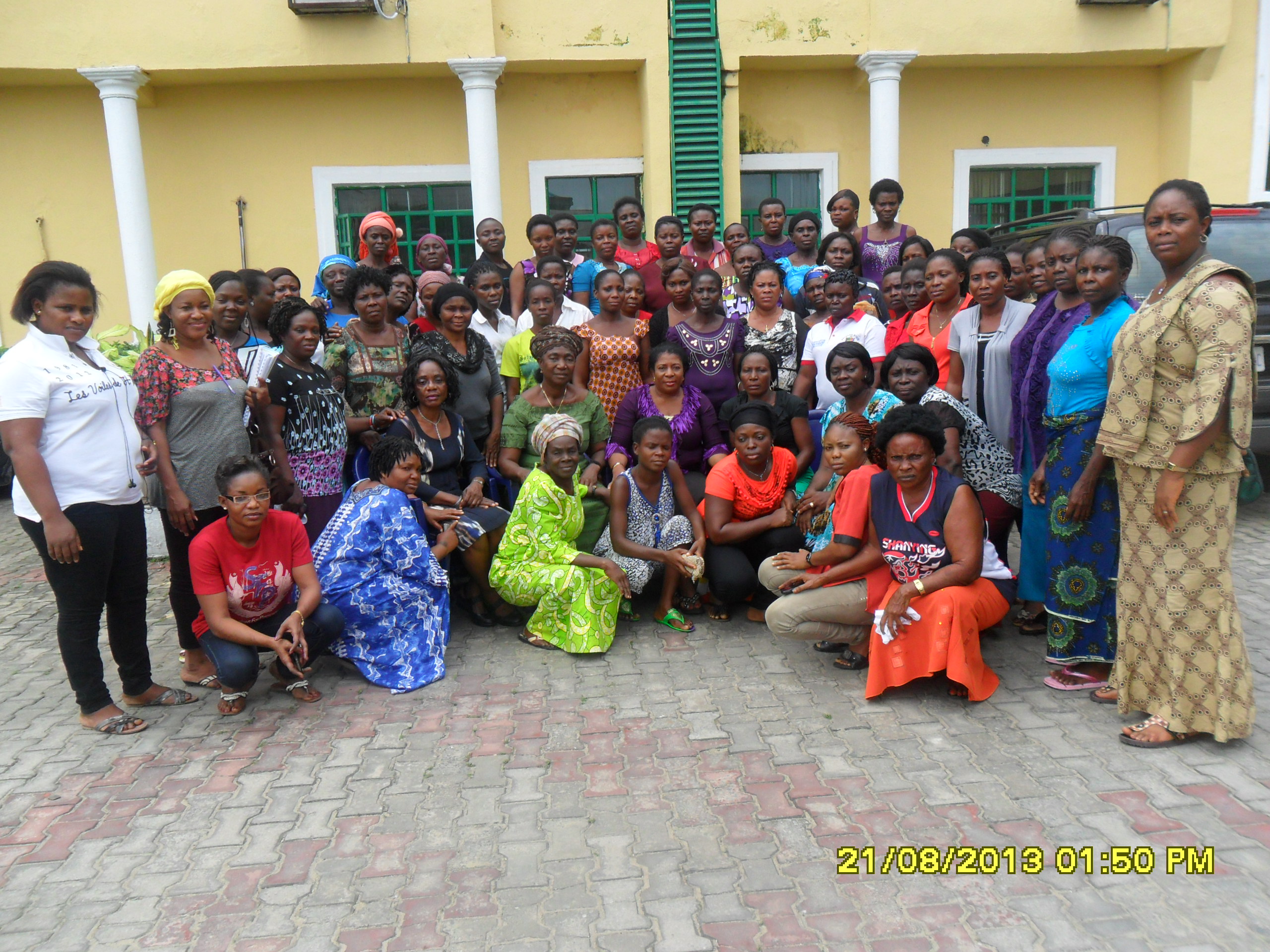
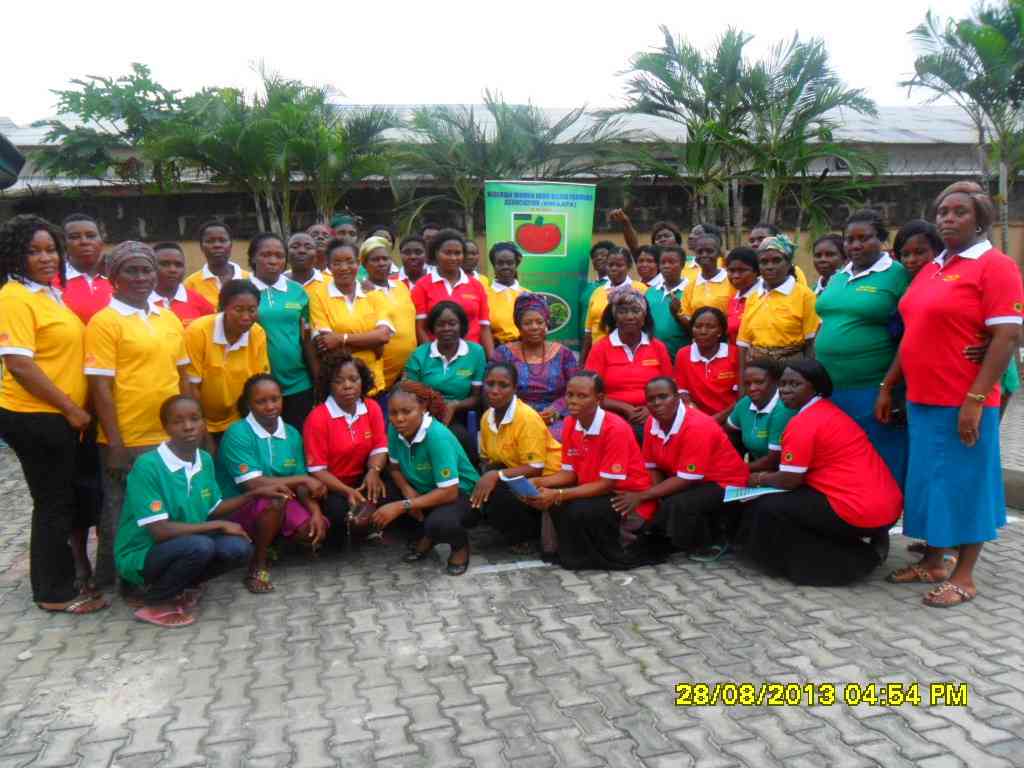
    Nigerian Women Agro Allied Farmers Association with Lizzy Igbine hosted DRR BSG review meeting with 60 women farmers at Nnewi South Local Government Area in Anambra State where we discussed the years erosion damages to women farms. We trained women on post harvest management and empowered the women with seeds for 2020 farmers season to recover from losses.

    Achievements at a glance

    Review and discuss the flood.
    Training of sixty women.
    Empowerment with seeds and support for labor.
    Supporting documents
    UNDRR BSG REPORT 25TH OCT 2019..pdf (372.83 KB)
    Nnewi Women Farmers Anambra State..jpg (1.19 MB)
    Organizations and focal points

    Implementing Organization(s)

    • Nigerian Women Agro Allied Farmers Association

    Focal points

    If a VC's contact information has been hidden, the SFVC team can forward a message.
    Explore further

    Sendai priorities
    Priority 1Understanding disaster risk
    Priority 2Strengthening disaster risk governance to manage disaster risk
    Priority 3Investing in disaster risk reduction for resilience
    Priority 4Enhancing disaster preparedness for effective response, and to «Build Back Better», rehabilitation and reconstruction
    Sendai targets and indicators
    B-5Number of people whose livelihoods were disrupted or destroyed, attributed to disasters
    C-1 (Compound)Direct economic loss attributed to disasters in relation to global gross domestic product
    E-1 (Compound)National average score for the adoption and implementation of national disaster risk reduction strategies in line with the Sendai Framework for Disaster Risk Reduction 2015-2030
    E-2 (Compound)Percentage of local governments that have adopted and implemented local disaster risk reduction strategies in line with national strategies
    G-3Number of people per 100,000 that are covered by early warning information through local governments or through national dissemination mechanisms
    G-6Percentage of population exposed to or at risk from disasters protected through pre-emptive evacuation following early warning
    Hazards Avalanche Epidemic and Pandemic Flood
    Themes Disaster risk communication Capacity development Civil Society/NGOs Community-based DRR Preparedness Financing DRR Environment and ecosystems Food security and agriculture Gender Health and health facilities Private sector
    Country and region Nigeria
    Sustainable Development Goals SDG2: Zero hunger SDG5: Gender equality SDG8: Decent work and economic growth SDG9: Industry, innovation and infrastructure SDG11: Sustainable cities and communities SDG17: Partnerships for the goals
    Budget scale
    USD 100,000 to < 500,000
    Scope
    National (or local) - Nigeria
    Scale of beneficiaries
    5,000 to < 10,000
    Secured budget size
    20%
    X (Twitter)
    https://twitter.com/LIGBINE
    Videos
    Related links
    Lizzy Igbine, President NIWAAFA (Abuja Flood Update)
    Nigerian Women Agro Allied Farmers Association

    Is this page useful?

    Yes No
    Report an issue on this page

    Thank you. If you have 2 minutes, we would benefit from additional feedback (link opens in a new window).

    PreventionWeb is the global knowledge sharing platform for disaster risk reduction (DRR) and resilience.

    • Newsletter
    • Submit your content
    • Blog pitches
    • Submission and publishing policy
    • About PreventionWeb
    • Contact us

    Hazards

    • Avalanche
    • Cold Wave
    • Cyclone, Hurricane and Typhoon
    • Drought and Desertification
    • Earthquake
    • Epidemic and pandemic
    • Flood
    • Heatwave, extreme heat and heat stress
    • Insect infestation
    • Land subsidence
    • Landslide
    • Nuclear, biological, chemical (NBC)
    • Sea level rise
    • Technological hazard
    • Thunderstorm
    • Tornado
    • Tsunami
    • Volcano
    • Wildfire

    Regions

    • Africa
    • Americas
    • Asia
    • Europe
    • Oceania

    Themes

    Understanding & managing risk

    • Preparedness
    • Early warning
    • GIS and mapping
    • Data and information management
    • Risk identification and assessment
    • Small Island Developing States
    • Earth Observation

    Natural environment

    • Climate change
    • Environment and ecosystems
    • Food security and agriculture
    • Water

    Cross-cutting

    • Systemic risk
    • Recovery

    Human development

    • Capacity development
    • Children and youth
    • Civil society / NGOs
    • Community-based DRR
    • Cultural heritage
    • Gender
    • Human mobility
    • Inclusion
    • Social impacts and resilience

    Science, knowledge & advocacy

    • Disaster risk communication
    • Traditional and Indigenous knowledges
    • Science-policy-practice interface

    State, governance & economy

    • Financing DRR
    • Fragility and conflict
    • Governance
    • Insurance and risk transfer
    • Private sector

    Infrastructure & critical services

    • Critical infrastructure
    • Education and school safety
    • Health and health facilities
    • Structural safety
    • Urban risk and planning
    Loading