1. Home
  2. Knowledge Base | PreventionWeb

We all continue to appreciate the notifications from PreventionWeb. Today’s ‘Highlights of the Week’ is as informative as ever (indeed, as is often the case with PreventionWeb summaries, I am using some of the pieces that today’s edition contains for my own research work).

A regular reader

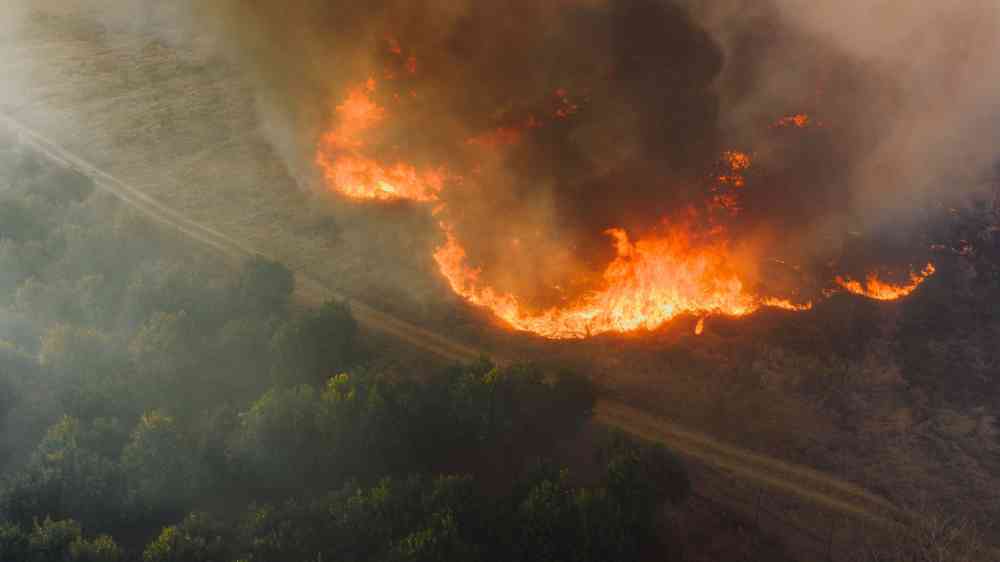
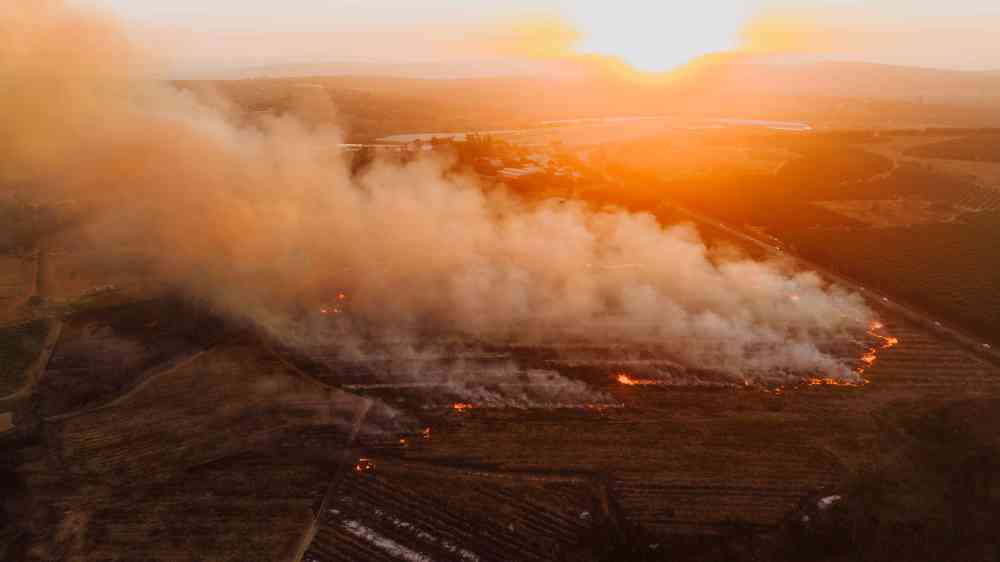
Aerial view of forest grass being burned
Research briefs

A Stanford-led study based on two decades of satellite data finds California could cut deadly pollution from wildfire smoke by 20% in active fire years by expanding use of prescribed fire in conifer forests each year.

Stanford University
White paper on live wildlife trade and markets thumbnail
Documents and publications

The paper examines the complex links between live wildlife trade, zoonotic disease risks, biodiversity loss, animal welfare, and global health security through a comprehensive One Health perspective.

International Alliance against Health Risks in Wildlife Trade
Uncertainty, pastoral knowledge and early warning: a review of drought management in the drylands, with insights from northern Kenya thumbnail
Documents and publications

This study assesses global inequalities in exposure to compound precipitation extremes (CPEs), defined as the concurrent occurrence of short-duration, high-intensity 1-day precipitation and prolonged 5-day precipitation.

npj Natural Hazards (Nature)
sarma_bruntrup_2026.pdf thumbnail
Documents and publications

The research seeks to address the question, what are the potential global targets forevaluating proactive drought preparedness and resilience that can be standardized and monitored to improve coordination among countries and international organizations.

International Journal of Disaster Risk Reduction (Elsevier)
Houses with wildfire smoke in the background
Research briefs

A new study projects the intertwined relationship between fires and the money spent fighting them.

Eos - AGU
Coastal homes in Carolina Beach, NC, USA facing the Atlantic Ocean.
Research briefs

Climate Central-led paper finds climate change tripled the number of days with extreme water-levels at worldwide locations since the 1970s.

Climate Central
Inundated street with parked cars in the background
Research briefs

A recent study including UCF researcher Thomas Wahl reveals that sinking ground levels and rising sea levels are occurring more rapidly than previously understood, often worsening flooding in coastal communities.

University of Central Florida
Hands holding smart tablet and soil. Concept about using digital wireless technology to research and collect data about agriculture problem. Checking soil quality before growing plants.
Update

What does successful climate change adaptation look like? The Global Goal on Adaptation aims to help countries find answers.

United Nations University - Institute for Environment and Human Security (UNU-EHS)
 A look inside the abandoned six-flags of New Orleans destroyed by Hurricane Katrina
Research briefs

Human-caused sea-level rise has significantly increased the frequency of extreme coastal flooding worldwide, according to a new study led by a Tulane University researcher.

Tulane University
Artist rendition of the NISAR satellite
Update

SOLAR-1 strengthens the nation’s ability to safeguard systems that can be disrupted by space weather, including the electric grid, satellites, communications, aviation, navigation systems and human spaceflight.

National Oceanic and Atmospheric Administration
illustration
The DRR Knowledge Base
Explore the latest on disaster risk and resilience from around the world: news, research, policies and publications.

Subscribe to other alerts

Contribute your content

The Knowledge Base is a collaborative effort of the DRR community, updated and reviewed daily by PreventionWeb editors.