Science and Development Network
SciDevNet
News and Media
Mission
News, views and information about science, technology and the developing world.
Items: 166
Despite proactive efforts from many African countries, five invasive insect pests cost the continent $1.1 billion every year. Recent research predicts that the threat from invasive insects will continue to increase with African countries expected to be the most vulnerable, but stronger plant regulatory systems and an emergency fund will improve the situation.
An experimental Ebola vaccine is being administered for the first time to contain an outbreak in the DRC. No vaccine has yet been licensed to control the Ebola virus, but the WHO has decided to vaccinate about 600 people on a compassionate basis and following approval from Congolese authorities.
While only 10 out of Africa’s 54 countries currently offer adequate meteorological services, the Trans-African HydroMeteorological Observatory (TAHMO) hopes to expand the continent’s weather-watching capacity. The not-for-profit organisation has an ambitious plan to deploy weather stations at every 30km.
Automated weather stations (AWS) are being installed in some of Ethiopia’s lowlands to help herders and other vulnerable residents respond better to recurring climate shocks.The Farm Africa-led Market Approaches to Resilience (MAR) project in the Afar, Southern Nationals People's Region State and Somali regions of Ethiopia is a response to increasing climate variability among lowlands communities.
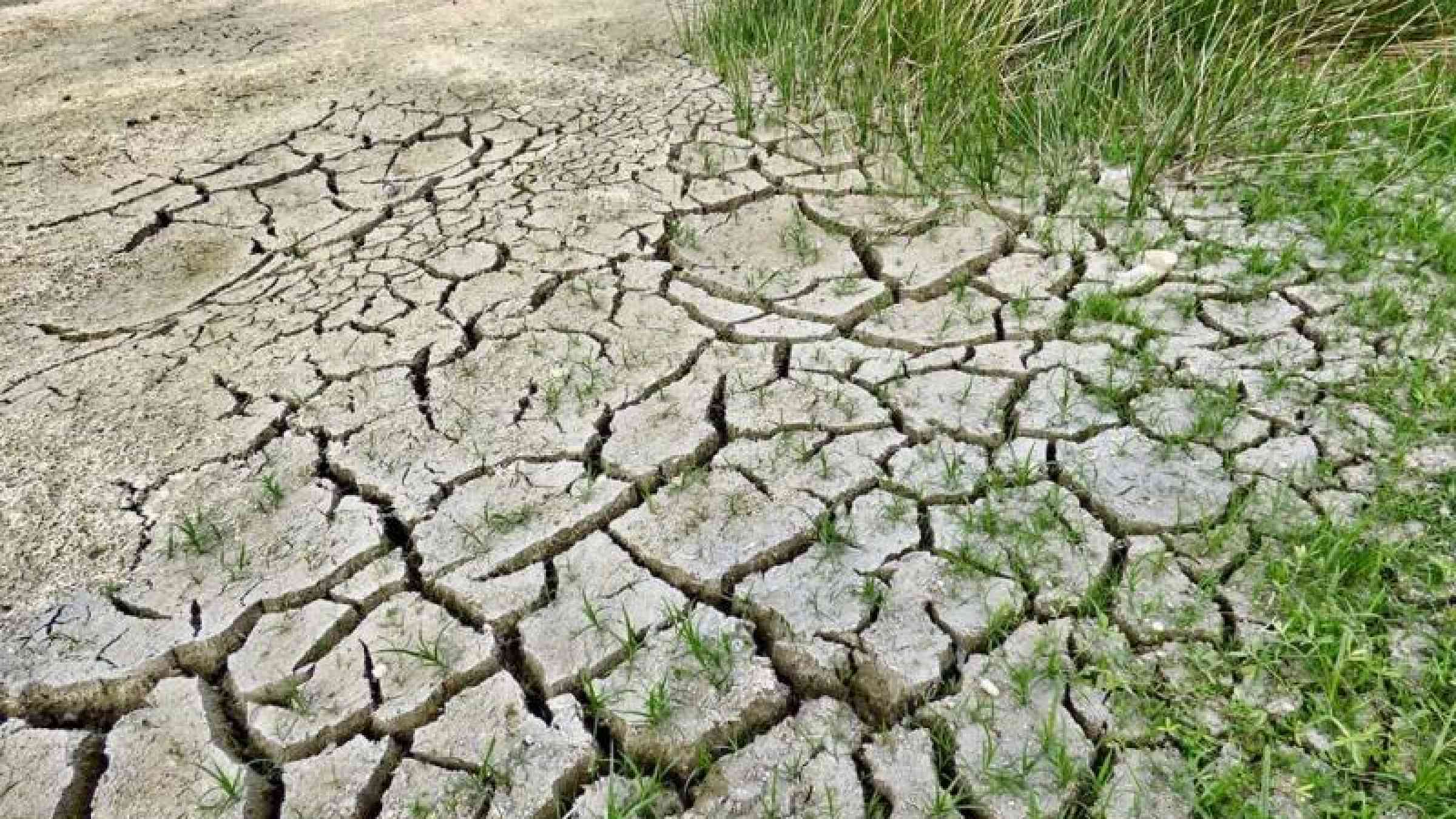
The Paris Agreement’s goal of limiting average global warming to less than two degrees Celsius is insufficient to protect the world’s drylands, a new study says. The consequences can be disastrous as drylands are home to more than two billion people 90 per cent of whom live in developing countries.
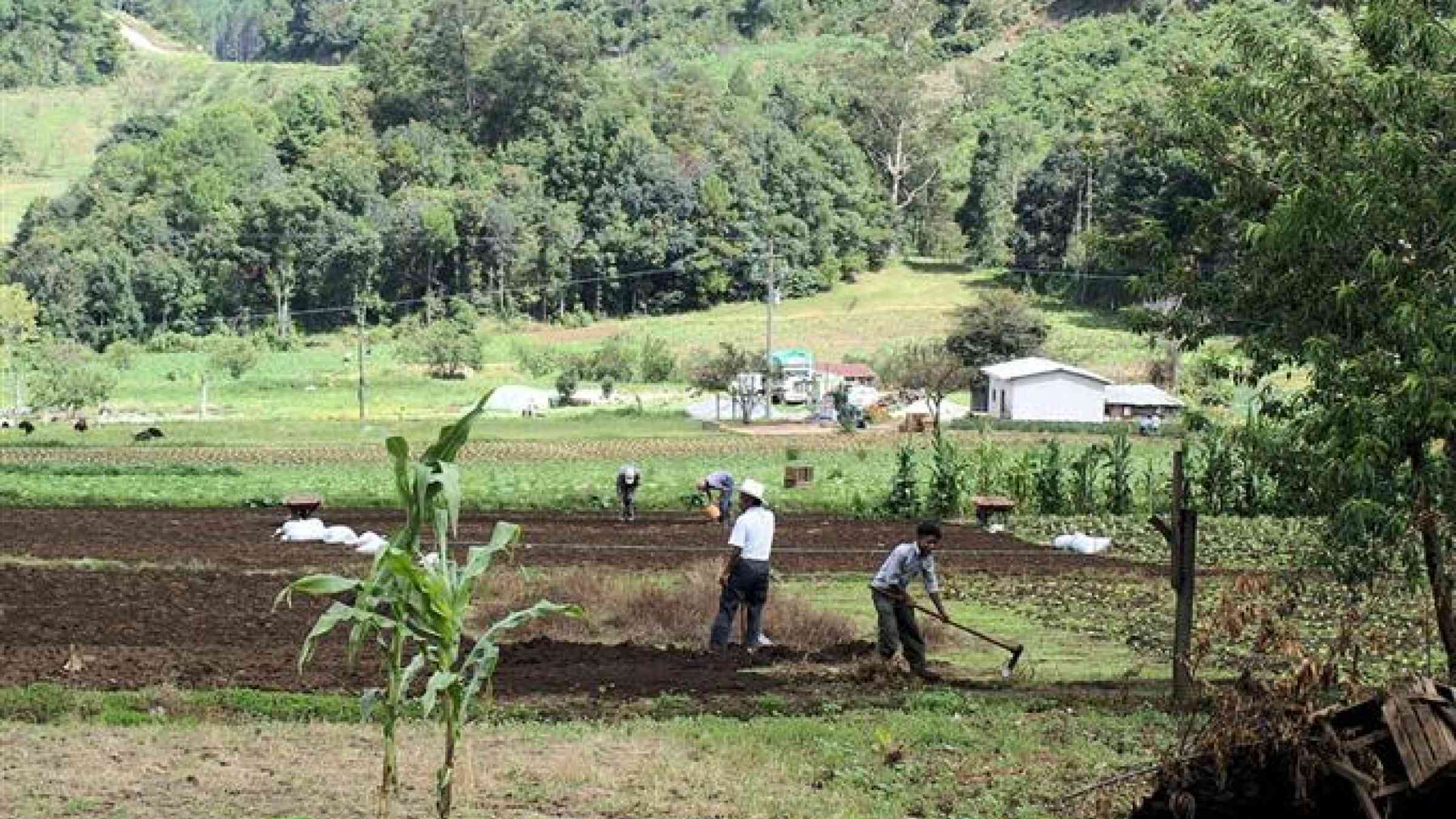
Decision-makers in Central America lack accessible, scientific information that they need for effective climate change adaptation programmes. Scientific findings can be best communicated as concrete policy recommendations and maps help to show which communities are most vulnerable to climatic variability, flooding, droughts or landslides.
Farmers in Sub-Saharan Africa are to benefit from a new project that aims to develop early warning system to help cut crop losses resulting from pests. The project will forecast pest outbreaks using cutting-edge space infrastructure, Earth observation data and state-of-the-art modelling techniques.
Locusts have become public enemy number one in the fields and pastures of Niger. As one invasion costs as much as 170 years of prevention, the threat is high and as steps are being taken to prevent invasions involving both growers as well as officials.
Voluntary Commitments
The organization has no registered commitments.
The Sendai Framework Voluntary Commitments (SFVC) online platform allows stakeholders to inform the public about their work on DRR. The SFVC online platform is a useful toolto know who is doing what and where for the implementation of the Sendai Framework, which could foster potential collaboration among stakeholders. All stakeholders (private sector, civil society organizations, academia, media, local governments, etc.) working on DRR can submit their commitments and report on their progress and deliverables.