Science and Development Network
SciDevNet
News and Media
Mission
News, views and information about science, technology and the developing world.
Items: 166
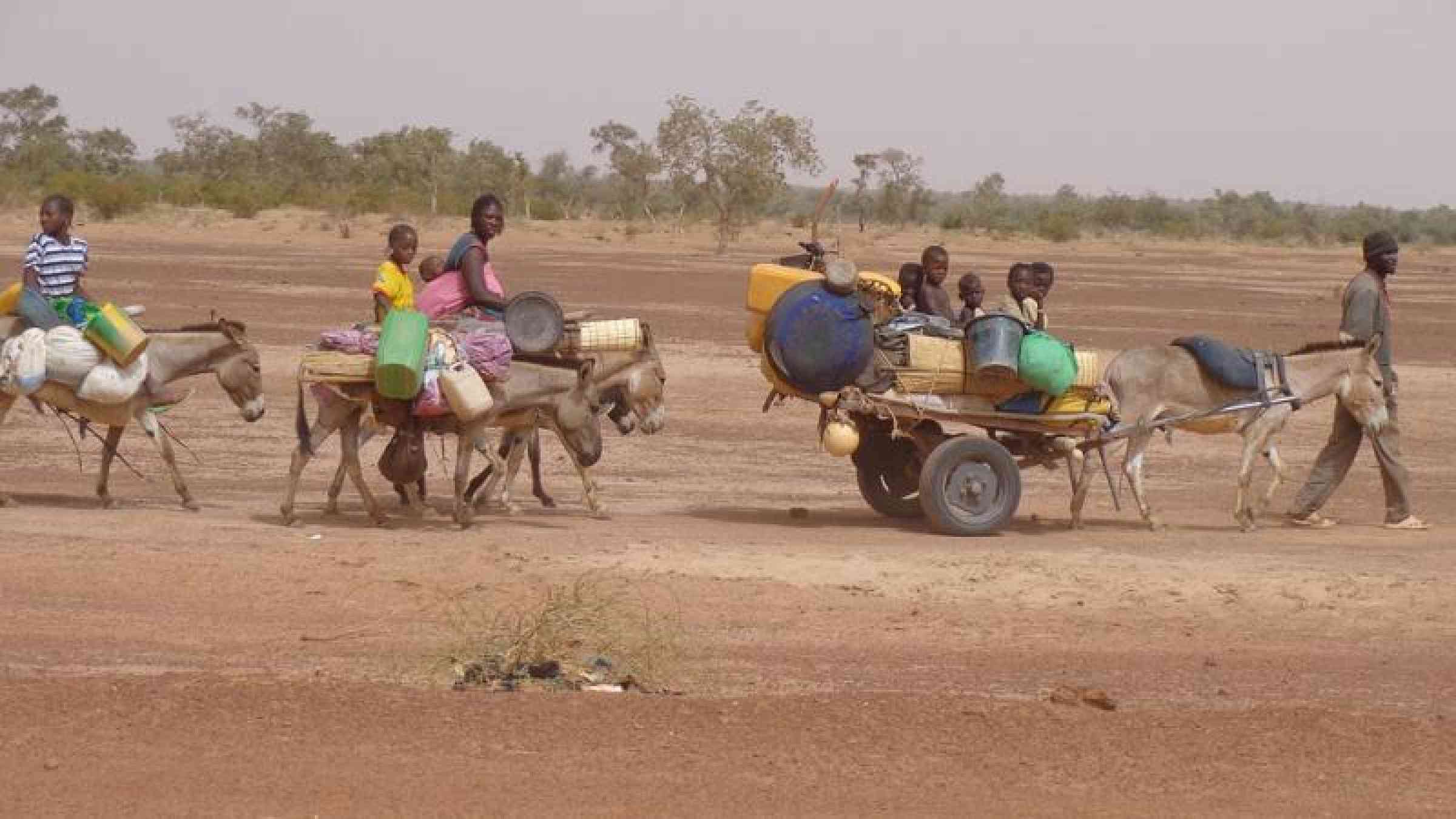
A new study from the University of Otago in New Zealand has developed a model to understand the causes of migration, divided into effects of climate change, economic performance, and political strife. Results show that climate is now the number one cause for migration, surpassing both economic and political factors.
A study to be published in May in the journal Agricultural Water Management simulated the potential impact of climate change on maize yields in northeast Brazil. The projections suggest that climate change could result in a decline in production of between 30 and 60 percent.
A new statistical heat wave forecasting model can help Pakistan predict the triggering and progress of the deadly weather events that plague the country every year, say researchers from Malaysia and Pakistan. The study also revealed that the wind and relative humidity are the major factors that define the heat waves in Pakistan.

New research warns that between 1.8 and 4.1 billion people in developing countries are vulnerable to heat-related stress and lack access to technology that cools their living spaces. The universal availability of electricity and adequate and affordable housing are prerequisites to obtaining cooling technologies, and are linked to many Sustainable Development Goals.
New research shows that garlic, oranges, chillies and sex pheromones are among the potentially viable natural control measures that could be used against fall armyworm. These biopesticides serve as a viable alternative to synthetic chemicals and are also safer for both humans and the environment, but their higher costs may impede farmers.
Scientists warn that fighting fall armyworm requires global efforts as the pest could spread to more countries. The Fall Armyworm Research for Development International Consortium, which was recently launched, is the first step towards achieving this goal, but researchers warn there is no single solution to effectively manage the pest.
Conflict has left the door open for epidemics in the Middle East, letting leishmaniasis into Syria, polio back into Iraq after 14 years, and cholera to spread across Yemen again. The conditions leading to the spread of epidemics in conflict areas are related to weaknesses in the health sector before conflict begins and the collapse of the sector during conflict.
In response to increasingly erratic rainfall patterns, the Bicol Agri-Water Project (BAWP) enhances the knowledge and skills of farmers to adapt to climate change and improve harvests. BAWP provides more climate-resilient rice and weather information and provisions that practitioners can use for early warning systems.
Voluntary Commitments
The organization has no registered commitments.
The Sendai Framework Voluntary Commitments (SFVC) online platform allows stakeholders to inform the public about their work on DRR. The SFVC online platform is a useful toolto know who is doing what and where for the implementation of the Sendai Framework, which could foster potential collaboration among stakeholders. All stakeholders (private sector, civil society organizations, academia, media, local governments, etc.) working on DRR can submit their commitments and report on their progress and deliverables.