
Science and Development Network
SciDevNet
News and Media
Mission
News, views and information about science, technology and the developing world.
Items: 166
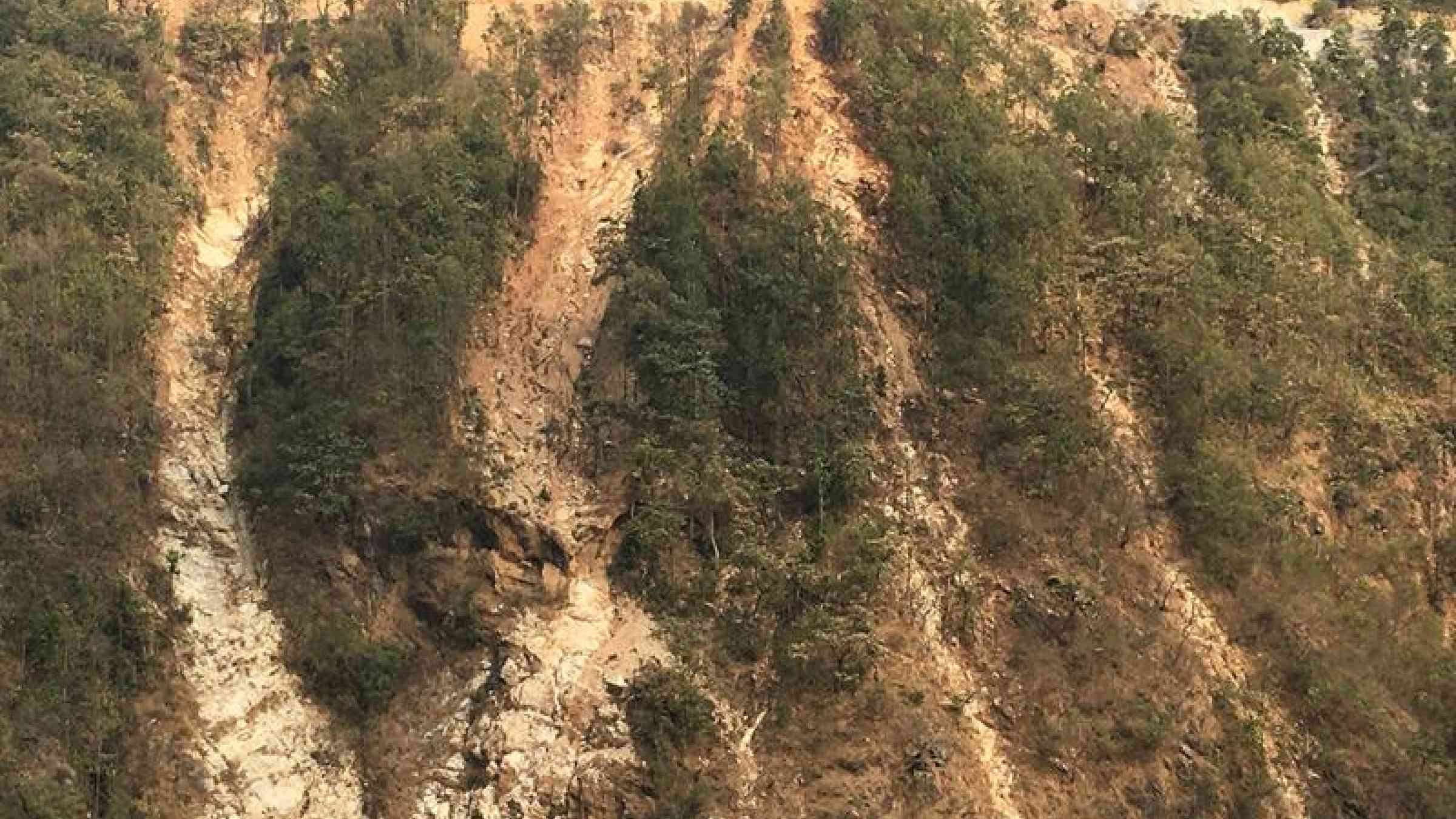
Following the earthquake that shook Nepal last year, the landscape is now more prone to landslides. In addition to rigorous hazard mapping, researchers call for close monitoring of changes in slope properties and how they respond to monsoons and aftershocks.
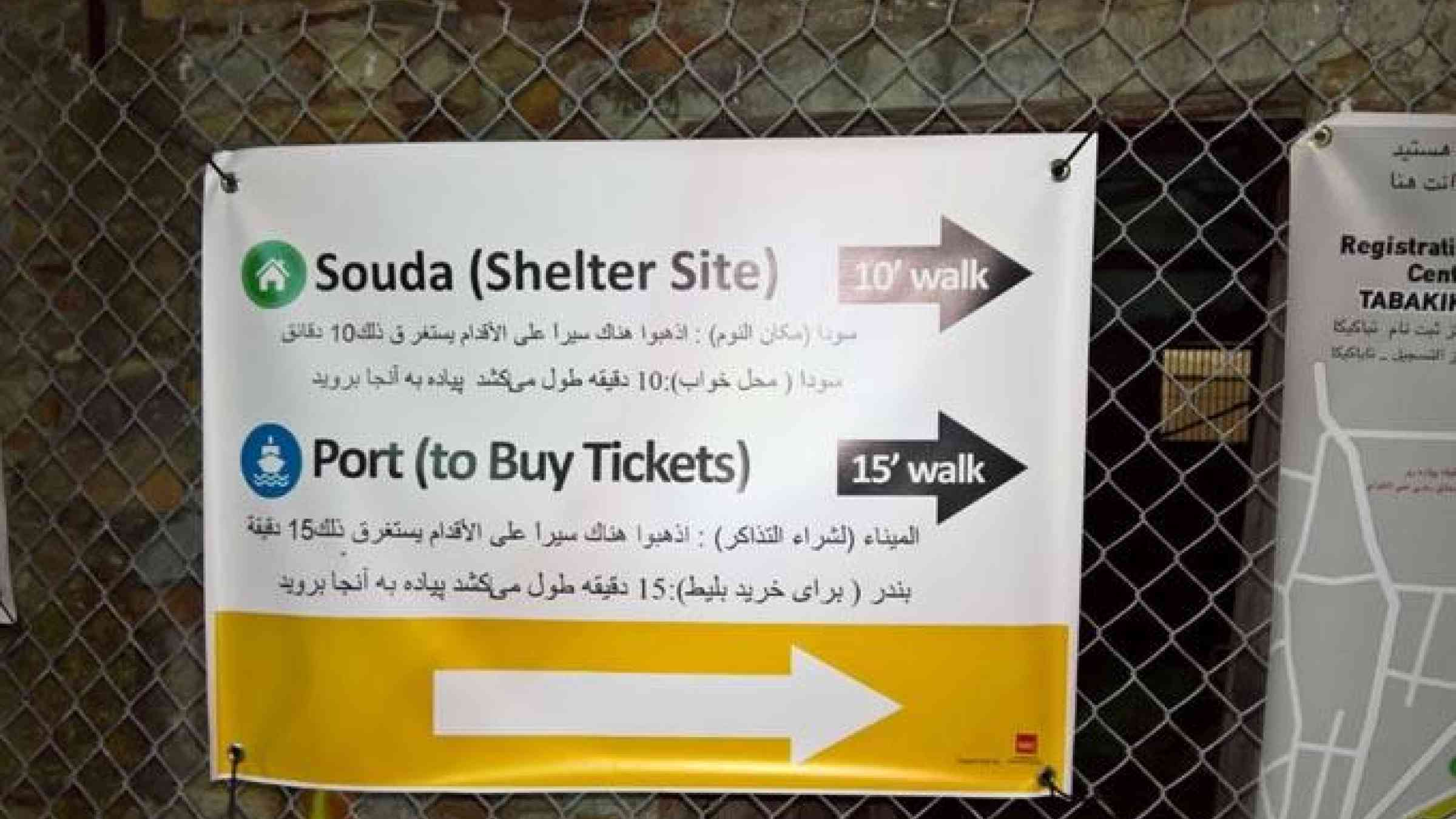
People who do not speak the language of government and public broadcasts are more vulnerable when disasters strike. New tech tools are now available to address the information needs of people in crises in multiple languages. An interview with Translators Without Borders.
The ongoing El Niño event may be spreading cholera and other diseases caused by Vibrio bacteria from Asia to South America, researchers suggest. This is because the bacteria, which are typically found in salty water, could ‘piggyback’ on zooplankton that travel to Peru and Chile with the warm easterly and southerly Pacific currents associated with El Niño.
Hydrogeologist Paul Pavelic worked with his team at the International Water Management Institute to design and trial a new system that protects communities in flood-prone areas before disaster strikes. The initiative channels surplus surface water from flood‐prone rivers or their distributary canals during the wet season when there is a high flood risk to a modified village pond.
Andrew Lee, a professor at the University of Sheffield, UK, interviewed 11 Nepalese government officials, academics, programme managers, disaster management practitioners, and policymakers in order to identify barriers to evidence-based disaster management. These barriers ranged from contextual factors such as poverty and local cultures to more system-level issues including problems with coordinating multiple agencies and NGOs...
India has embarked on a programme of developing its own climate models since existing ones are inadequate to study the increase in extreme rainfall and correlate it with human-induced climate change, top scientists say. 'The ESM will help to create projections of the future monsoon climate and its uncertainties and will be useful for understanding observed changes in the climate caused by natural and man-made effects,' P. Swapna, a scientist at the IITM tells SciDev.Net...
Communities in flood-prone areas often do not have access to information about flood forecasting. As a result, they do not have sufficient time to evacuate and put their cattle and belongings in a safe area. The new Community-Based Flood Early Warning system, now allows communities downstream to access almost real-time information about the water level upstream...
A new study of the 2015 earthquake that shook Nepal, killing roughly 9,000 people, shows that this Himalayan country may have been spared greater destruction due to a lack of surface ruptures as well as the prevalence of high-grade metamorphic and intrusive igneous rocks. Using satellite images, a team of scientists mapped 4,312 landslides that occurred both during the quake and its aftermath...
Voluntary Commitments
The organization has no registered commitments.
The Sendai Framework Voluntary Commitments (SFVC) online platform allows stakeholders to inform the public about their work on DRR. The SFVC online platform is a useful toolto know who is doing what and where for the implementation of the Sendai Framework, which could foster potential collaboration among stakeholders. All stakeholders (private sector, civil society organizations, academia, media, local governments, etc.) working on DRR can submit their commitments and report on their progress and deliverables.