Science and Development Network
SciDevNet
News and Media
Mission
News, views and information about science, technology and the developing world.
Items: 166
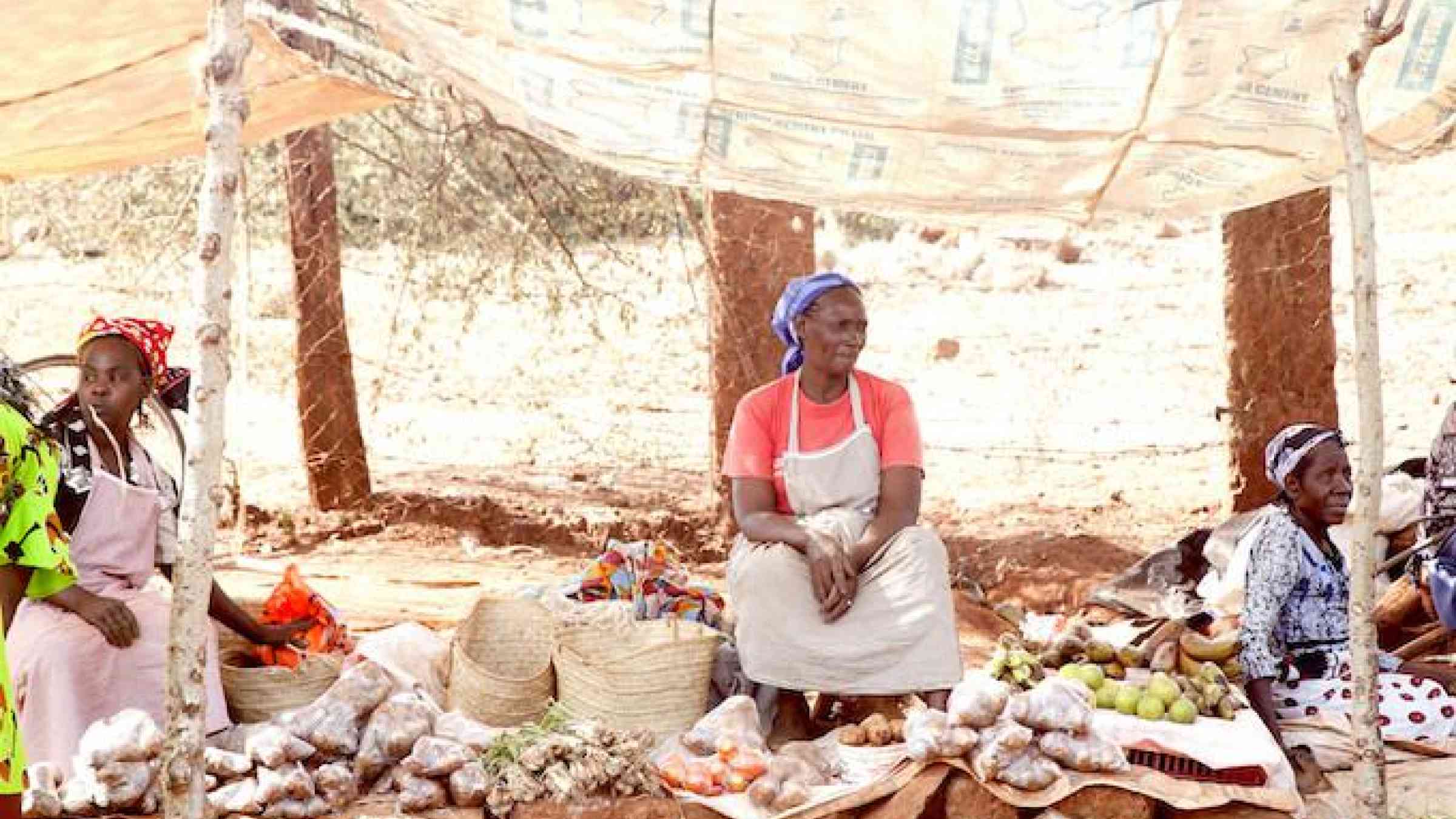
Men and women living in slums face different climate change impacts which, if overlooked, could further widen gender gaps in participatory development, says the preliminary findings of a continuing study. The study is identifying factors that influence men and women in participating in climate adaptation and mitigation initiatives...
At least 65 science bodies say they want to join a UN effort to lower global disaster risk. The organisations are set to form a Scientific and Technical Partnership that will provide evidence to help roll out the Sendai Framework for Disaster Risk Reduction. This global deal, signed in March last year, aims to curb deaths and other losses from disasters, whether natural or not...
US researchers have developed an app that uses networks of smartphones to detect earthquakes and could send out life-saving alerts. The free app, called MyShake and released on 12 February for Android users, could be useful in countries without conventional warning systems, say the developers at the University of California, Berkeley...
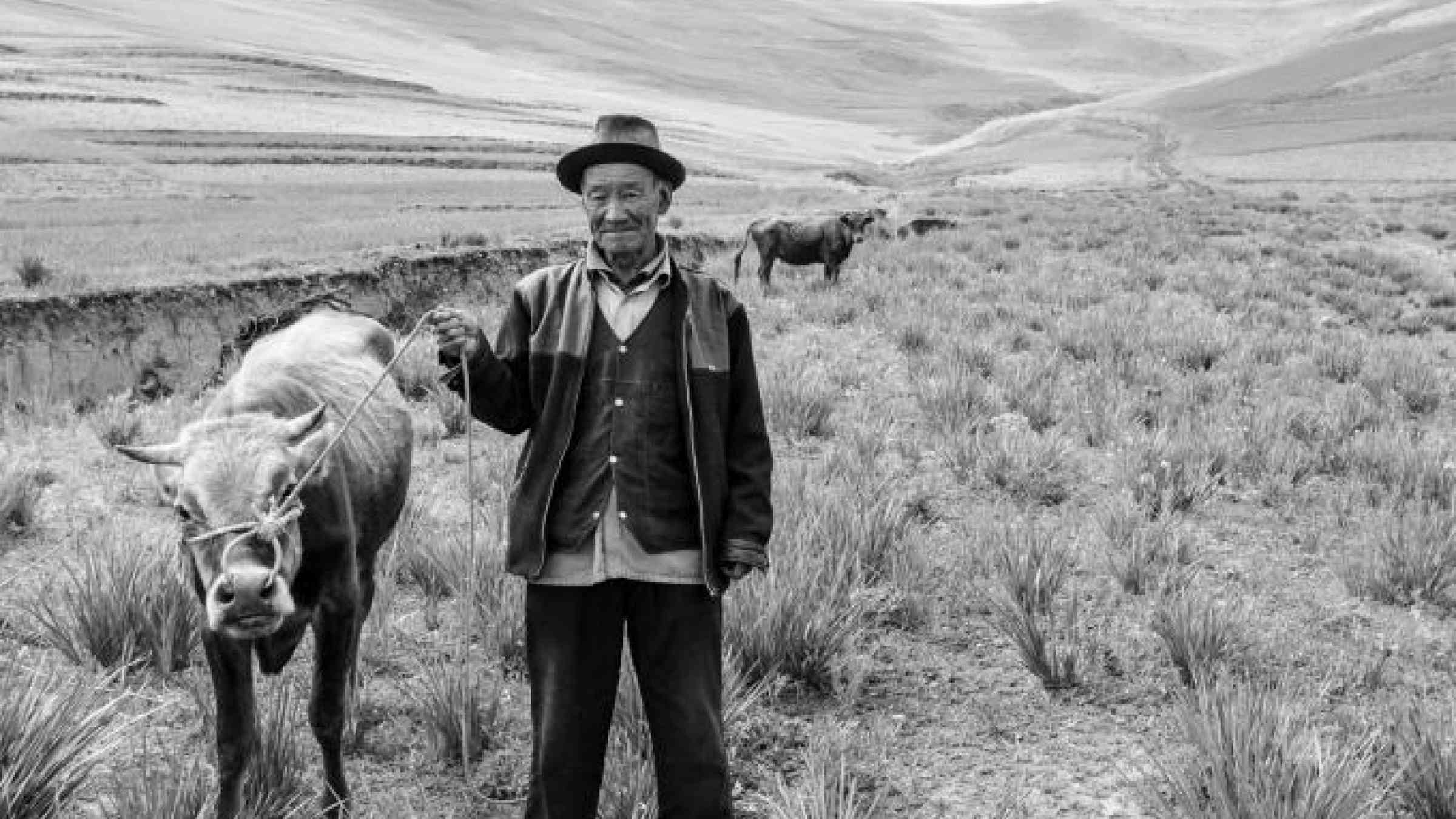
Meltwater is submerging pasture and snowstorms have hit trapped herds in Tibet. The disaster is accelerating with every warm year. Due to climate change, more and more meltwater from shrinking glaciers and defrosting soil is flowing into Siling Co, causing the lake to swell and drown surrounding land. 'More pasture got flooded every year and, eventually, we had to entirely abandon our house and land in 2011,' Bumtar says...
Two-and-a-half billion people worldwide have no access to safe, durable sanitation systems. Brian Arbogast, director of the water, sanitation and hygiene programme at the Bill & Melinda Gates Foundation, tells SciDev.Net how innovative toilet technologies and business models could help fix this — and help communities cope with the devastation of climate change...
'The recognition of disaster risk reduction as a central, cross-cutting issue for achieving sustainable development in the region aims to bring about a shift from response mechanisms to prevention and preparedness as investment in disaster risk reduction has proven to be cost effective,' Shamshad Akhtar, UN undersecretary general and ESCAP executive secretary said...
Disagreement between scientists over whether Central and South America are about to be hit by a major El Niño event are delaying vital preparations, the region’s weather organisations warn in a report by SciDevNet. Ciro Ugarte of PAHO says, 'doing nothing is not an option. Now the consensus among scientists is that there is a 95 per cent chance of having a strong or very strong El Niño year'...
Ilan Kelman, Institute for Global Health, University College London, examines the history, overlaps and conflicts between climate change, development and disasters in an article on SciDev.net. He writes that, there is no integration of global climate change, development and disaster policy, yet science says the problems, and ways to tackle them, are often interrelated. Kelman advocates for giving climate change policy a wider context, which, he concludes, could spur more action...
Voluntary Commitments
The organization has no registered commitments.
The Sendai Framework Voluntary Commitments (SFVC) online platform allows stakeholders to inform the public about their work on DRR. The SFVC online platform is a useful toolto know who is doing what and where for the implementation of the Sendai Framework, which could foster potential collaboration among stakeholders. All stakeholders (private sector, civil society organizations, academia, media, local governments, etc.) working on DRR can submit their commitments and report on their progress and deliverables.