Science and Development Network
SciDevNet
News and Media
Mission
News, views and information about science, technology and the developing world.
Items: 166
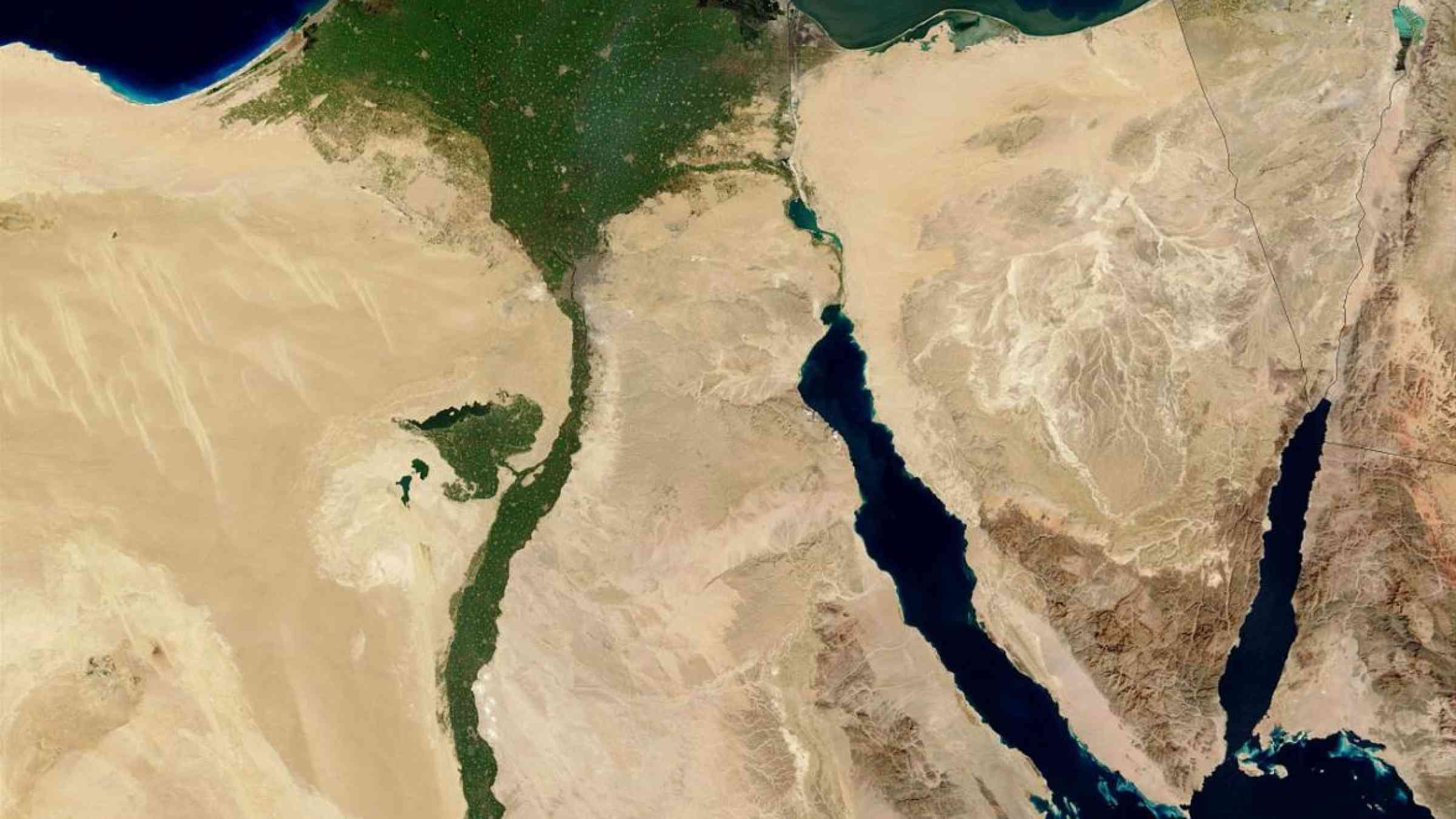
Egypt’s Nile river water supply will only be threatened by the filling of the upstream Grand Ethiopian Renaissance Dam in the case of prolonged drought, new analysis suggests.
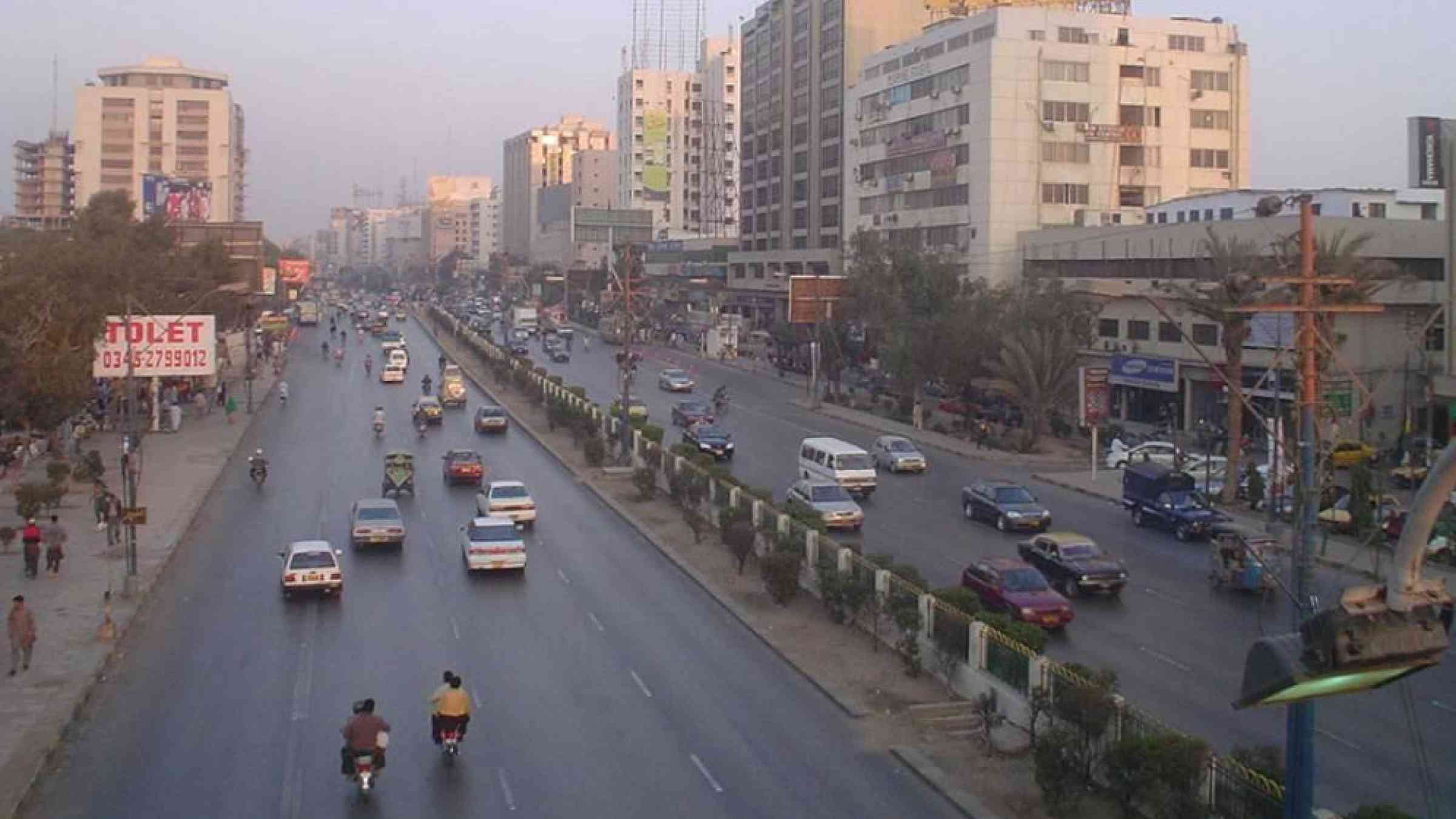
Rural populations living around large cities have better access to resources and are less vulnerable to disasters than rural communities located near small cities.

Satellite data and machine learning could predict future COVID-19 outbreaks by providing global surveillance and predicting potential epidemics
Satellites are increasingly being developed in Latin America to manage natural hazards; capacity is being ramped up to use the technology to its full advantage
Big data can help countries in sub-Saharan Africa better weather cyclones such as Idai, and survive devastating droughts.
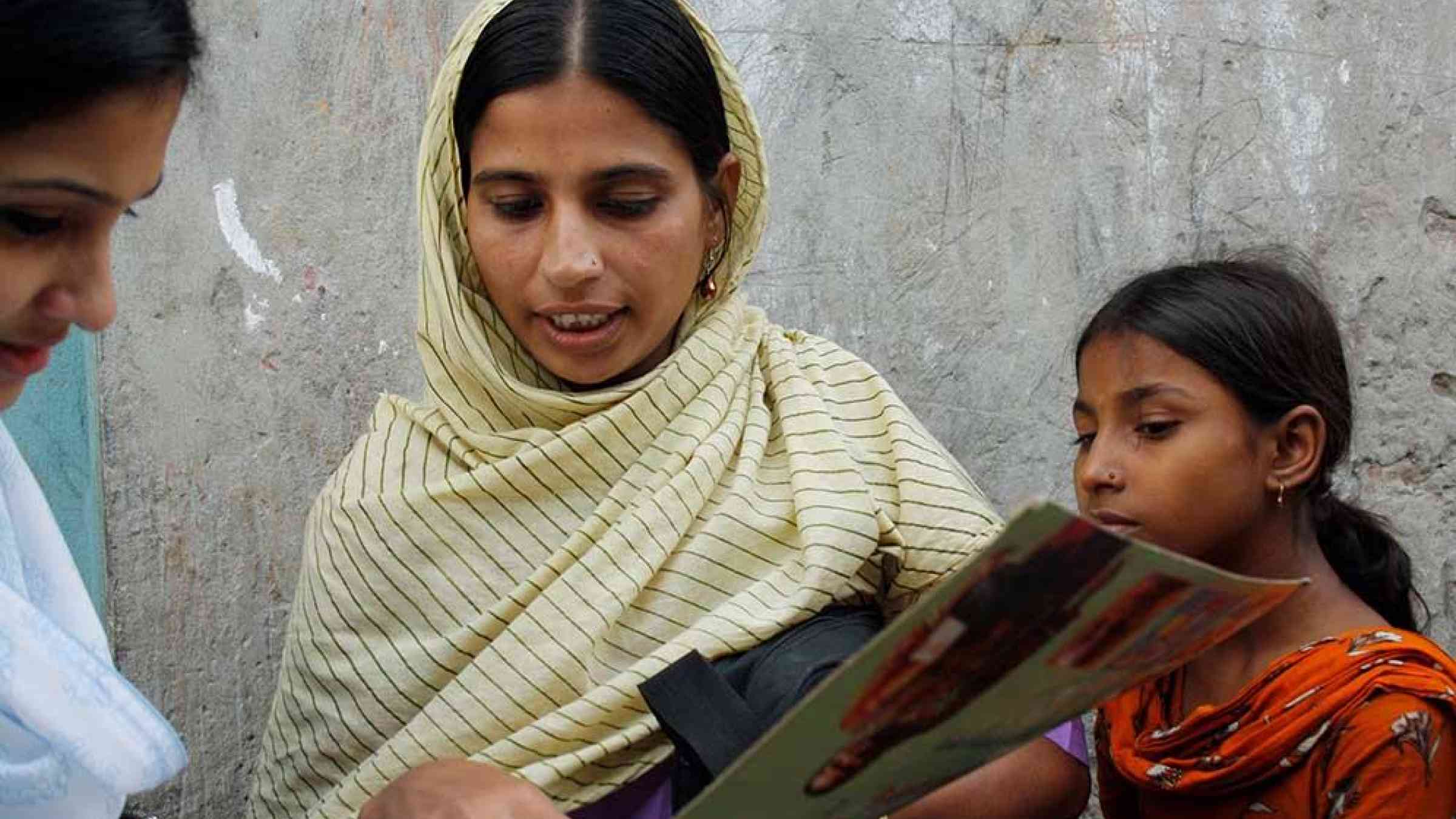
Women are on the coronavirus frontlines, but policies often fail to consider how gender and epidemics interact, say public health experts.
New technologies from the agricultural science sector, such as drought tolerant cereal, could help developing countries cope with increasingly extreme weather events.
Robots and artificial intelligence are being deployed across the globe in the fight against the coronavirus pandemic.
Voluntary Commitments
The organization has no registered commitments.
The Sendai Framework Voluntary Commitments (SFVC) online platform allows stakeholders to inform the public about their work on DRR. The SFVC online platform is a useful toolto know who is doing what and where for the implementation of the Sendai Framework, which could foster potential collaboration among stakeholders. All stakeholders (private sector, civil society organizations, academia, media, local governments, etc.) working on DRR can submit their commitments and report on their progress and deliverables.