1. Home
  2. Knowledge Base | PreventionWeb
  3. Hazards

Insect infestation

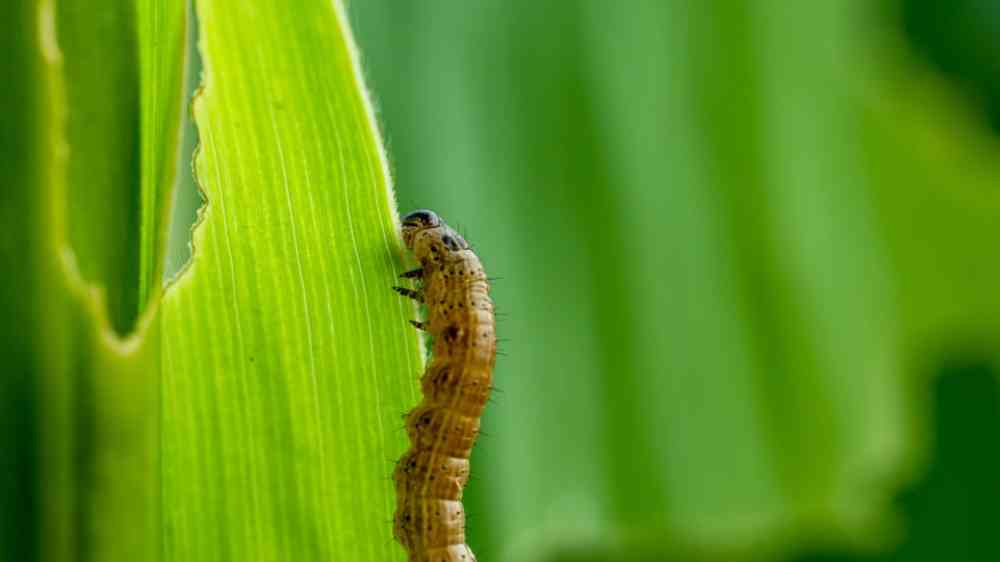
An insect pest infestation is a recently detected insect pest population, including an incursion, or a sudden significant increase of an established insect, disease agents or weed population in an area leading to damage to plants in production fields, forests or natural habitats and causing substantial damage to productivity, biodiversity or natural resources (adapted from FAO, 2019).

This planting technique reduces crop losses and improves food security.

Risk factors

Higher temperature, severe and extreme weather events and drought stress can all result in reduced vigour of trees, making them more vulnerable to outbreaks of native and introduced pests and diseases. For example, the dieback of millions of hectares of pine forests caused by outbreaks of native bark beetles in Central America, Europe and North America is associated with climate change, impacts of extreme weather events, and, in some cases, inadequate forest management practices (FAO, 2020b).

Favourable climatic conditions, disruption of ecosystems and negligence of crop/forest hygiene contribute to growth in insect populations which can cause substantial damage regularly. In many cases, long distance spread of insects results from transportation of infested goods.

Risk reduction measures

Following principles of sustainable plant production, sustainable forest management and integrated pest management practices are the best approach for control, focusing on diversified production systems, regular surveillance, preparedness before potential outbreaks, and a rapid response to prevent escalation to unmanageable scales (Guzewich et al., 1997). Post disaster needs assessment (PDNA) is designed to evaluate immediate needs for recovery and restoration for better disaster response (HIP).

Latest Insect infestation additions in the Knowledge Base

Uploaded on
Update

​​​​Experts at two Midlands universities are starting a new project to develop a photonic ‘nose’ to monitor crops for pest infestations and plant disease.

Aston University
Caterpillar infestation in an apple tree
Update

Purdue University and the U.S. Forest Service announced the improved Alien Forest Pest Explorer interactive web tool. It combines information from multiple sources to show impacts of forest insects and diseases, and the potential for further damage.

Purdue University
Nigerian pastoralist with cows in the background
Update

Pastoralists in the Sahel are adapting to the impacts of growing insecurity and climate change through extended periods of migration. Increased pastoral mobility also leads to greater risks of zoonotic disease spillovers.

London School of Economics and Political Science, the
Cover page of the article
Documents and publications

This opinion piece is derived from presentations and discussions held during a webinar on “Transboundary Disease and Pest Management”, as a part of the International Year of Plant Health webinar series organized by CGIAR.

Food Security (Springer)
This image shows a thermometer indicating high temperatures. The sun is shining brightly in the sky.
Research briefs

New research led by the University of East Anglia quantifies the benefits of limiting global warming to 1.5°C and identifies the hotspot regions for climate change risk in the future.

University of East Anglia
Close-up on a few desert locusts on corn plants.
Update

Interview with Cyril Ferrand, FAO’s Resilience Team Leader for East Africa, and Carla Mucavi, FAO Country Representative in Kenya

Food and Agriculture Organization of the United Nations (FAO)
Research briefs

An environmentally friendly spray that targets and kills one of cotton's (and the world’s) most damaging agricultural pests - silverleaf whitefly - has been created by scientists at The University of Queensland.

Cotton Research and Development Corporation
Update

Plant pest still causing massive destruction of crops despite progress in tackling it

Food and Agriculture Organization of the United Nations (FAO)
Uploaded on