1. Home
  2. Knowledge Base | PreventionWeb
  3. Hazards

Insect infestation

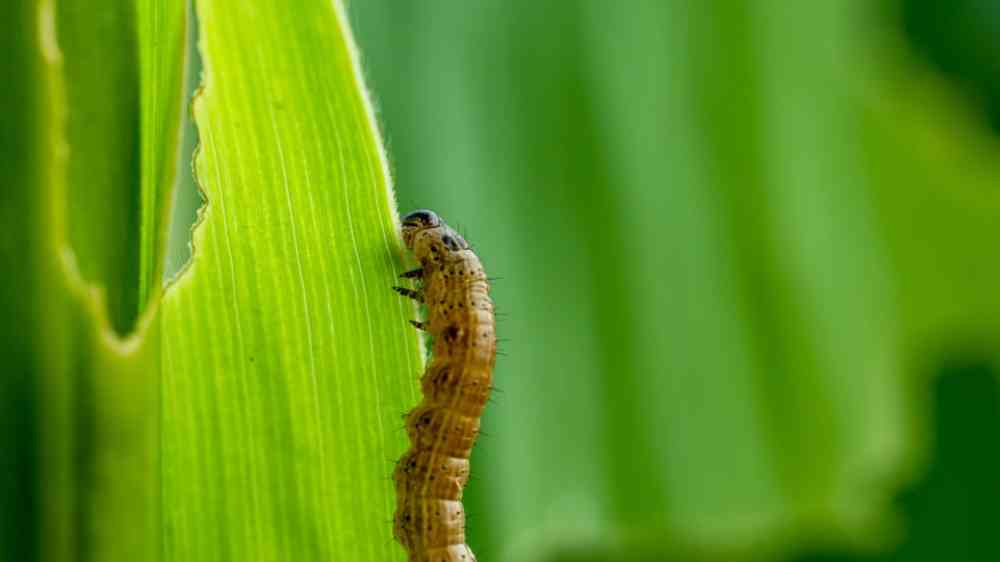
An insect pest infestation is a recently detected insect pest population, including an incursion, or a sudden significant increase of an established insect, disease agents or weed population in an area leading to damage to plants in production fields, forests or natural habitats and causing substantial damage to productivity, biodiversity or natural resources (adapted from FAO, 2019).

This planting technique reduces crop losses and improves food security.

Risk factors

Higher temperature, severe and extreme weather events and drought stress can all result in reduced vigour of trees, making them more vulnerable to outbreaks of native and introduced pests and diseases. For example, the dieback of millions of hectares of pine forests caused by outbreaks of native bark beetles in Central America, Europe and North America is associated with climate change, impacts of extreme weather events, and, in some cases, inadequate forest management practices (FAO, 2020b).

Favourable climatic conditions, disruption of ecosystems and negligence of crop/forest hygiene contribute to growth in insect populations which can cause substantial damage regularly. In many cases, long distance spread of insects results from transportation of infested goods.

Risk reduction measures

Following principles of sustainable plant production, sustainable forest management and integrated pest management practices are the best approach for control, focusing on diversified production systems, regular surveillance, preparedness before potential outbreaks, and a rapid response to prevent escalation to unmanageable scales (Guzewich et al., 1997). Post disaster needs assessment (PDNA) is designed to evaluate immediate needs for recovery and restoration for better disaster response (HIP).

Latest Insect infestation additions in the Knowledge Base

Uploaded on
Locusts
Update

The Food and Agriculture Organization of the United Nations, in collaboration with Georgia State University, is developing a novel training approach using Virtual Reality (VR) to teach teams about locust surveys and controls during breeding and invasion.

Food and Agriculture Organization of the United Nations (FAO)
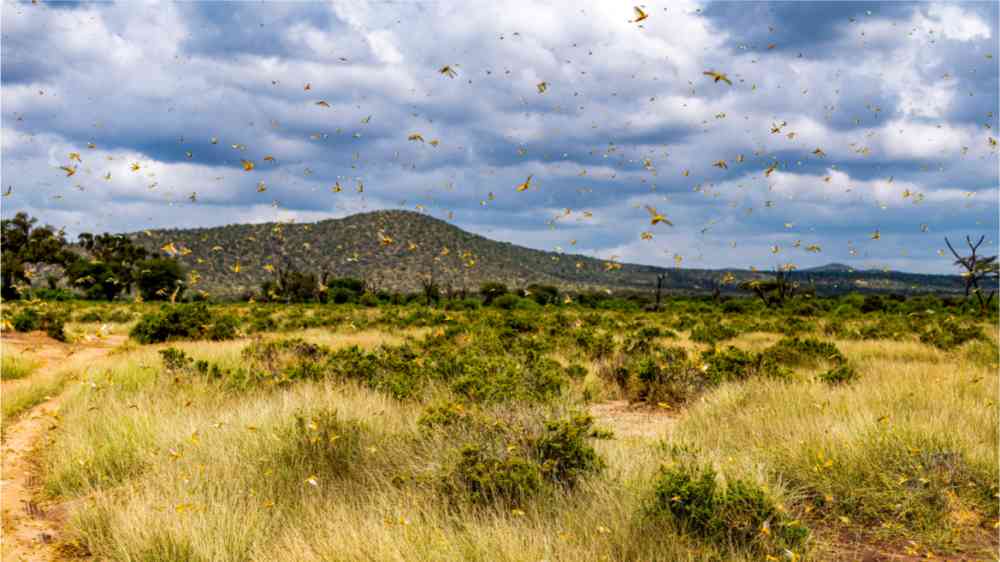
Samburu landscape viewed through swarm of invasive, destructive Desert Locusts.
Update

Kenya is currently free from desert locust. However, developing capacities should continue so that the country is always prepared to manage any invasion. Garissa, Isiolo, Marsabit, Samburu, and Wajir remain frontline desert locust invasion counties.

Food and Agriculture Organization of the United Nations (FAO)
Women conduct a disaster risk assessment in a rural village in Lao PDR.
Update

The Gender Action Plan to support implementation of the Sendai Framework for Disaster Risk Reduction 2015-2030 (Sendai GAP) has been launched on 18 March 2024.

United Nations Office for Disaster Risk Reduction (UNDRR)
Update

Strengthening capacities to contain and control the disease will safeguard food and livelihood security.

Food and Agriculture Organization of the United Nations (FAO)
Cover
Documents and publications

This publication develops a data-driven framework to assess the compound risk of locust outbreaks in the Middle East and North Africa (MENA) and elucidate the role of climate in locust dynamics.

American Association for the Advancement of Science
Update

Dr Hettie Arwoh Boafo, Research Officer, Invasive Species Management, based at CABI's centre in Ghana, is the winner of the Carol Ellison Science Award. She will use her £2,000 grant to study natural enemies of the Asian citrus psyllid (ACP) in Ghana.

Ghana News Agency
Update

The invasion of the pest poses a threat to coconut cultivation, a lifeline to the population.

Food and Agriculture Organization of the United Nations (FAO)
Update

Farmers are grappling with the most damaging incursion of fall armyworm (FAW) on record, and have likened the destruction to that caused by a bushfire.

Australian Broadcasting Corporation
Uploaded on