1. Home
  2. Knowledge Base | PreventionWeb
  3. Hazards

Insect infestation

An insect pest infestation is a recently detected insect pest population, including an incursion, or a sudden significant increase of an established insect, disease agents or weed population in an area leading to damage to plants in production fields, forests or natural habitats and causing substantial damage to productivity, biodiversity or natural resources (adapted from FAO, 2019).

This planting technique reduces crop losses and improves food security.

Risk factors

Higher temperature, severe and extreme weather events and drought stress can all result in reduced vigour of trees, making them more vulnerable to outbreaks of native and introduced pests and diseases. For example, the dieback of millions of hectares of pine forests caused by outbreaks of native bark beetles in Central America, Europe and North America is associated with climate change, impacts of extreme weather events, and, in some cases, inadequate forest management practices (FAO, 2020b).

Favourable climatic conditions, disruption of ecosystems and negligence of crop/forest hygiene contribute to growth in insect populations which can cause substantial damage regularly. In many cases, long distance spread of insects results from transportation of infested goods.

Risk reduction measures

Following principles of sustainable plant production, sustainable forest management and integrated pest management practices are the best approach for control, focusing on diversified production systems, regular surveillance, preparedness before potential outbreaks, and a rapid response to prevent escalation to unmanageable scales (Guzewich et al., 1997). Post disaster needs assessment (PDNA) is designed to evaluate immediate needs for recovery and restoration for better disaster response (HIP).

Latest Insect infestation additions in the Knowledge Base

Uploaded on
A farmer holds a corn leaf full of holes eaten out by pests
Update

The spread of invasive species across Sub-Saharan Africa is expedited by porous borders with poor phytosanitary checks, say the scientists. They believe this needs to be addressed as a priority, rather than relying on the extensive use of chemicals.

Science and Development Network
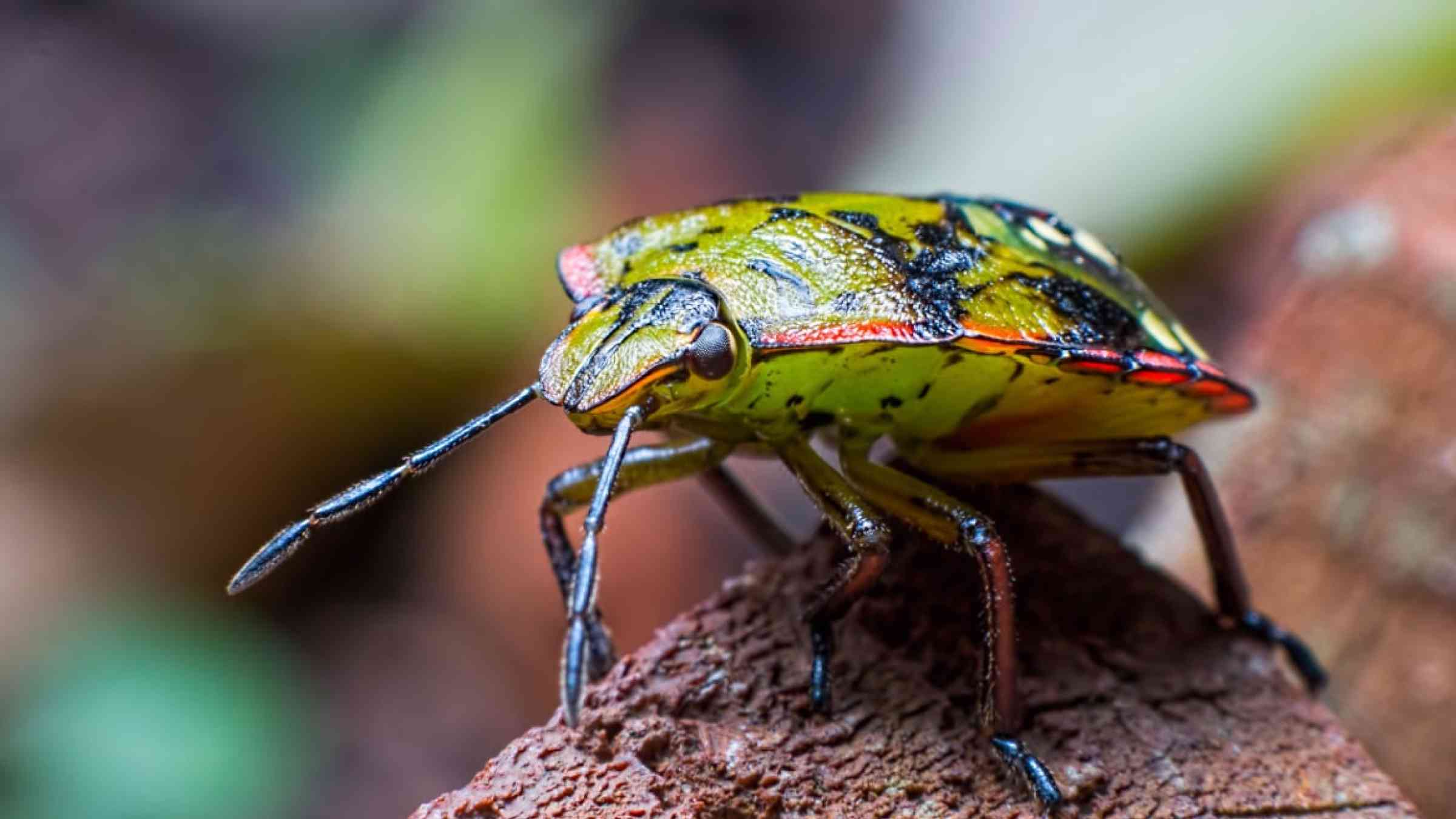
Southern green stink bug, Nezara viridula
Research briefs

A foul-smelling, voracious, wide-spread pest could become even more ubiquitous with climate change.

Washington State University
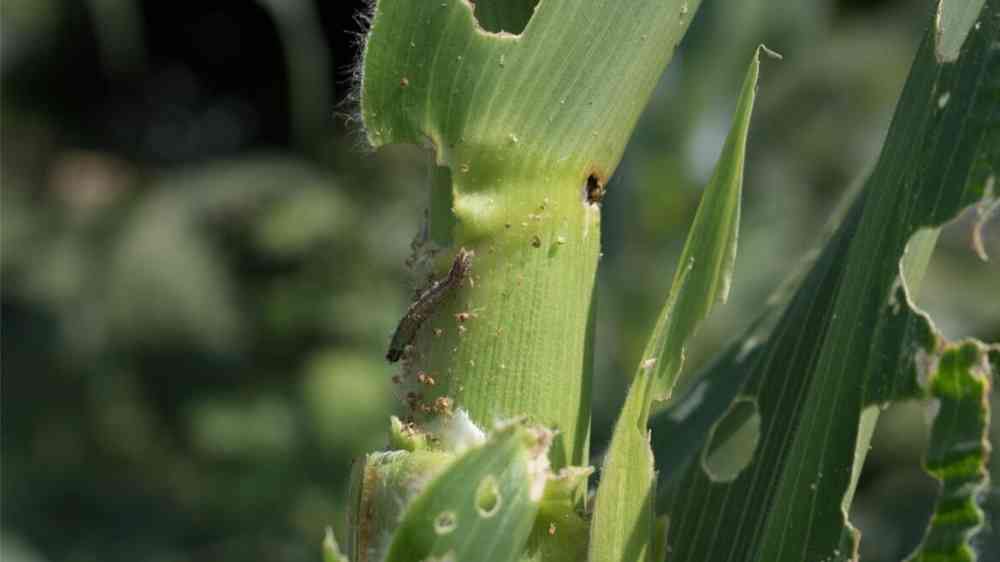
Armyworm feeding on a corn plant
Update

AgForce is encouraging growers dealing with fall armyworm to access the latest online resources using the new FAW ehub.

AgForce
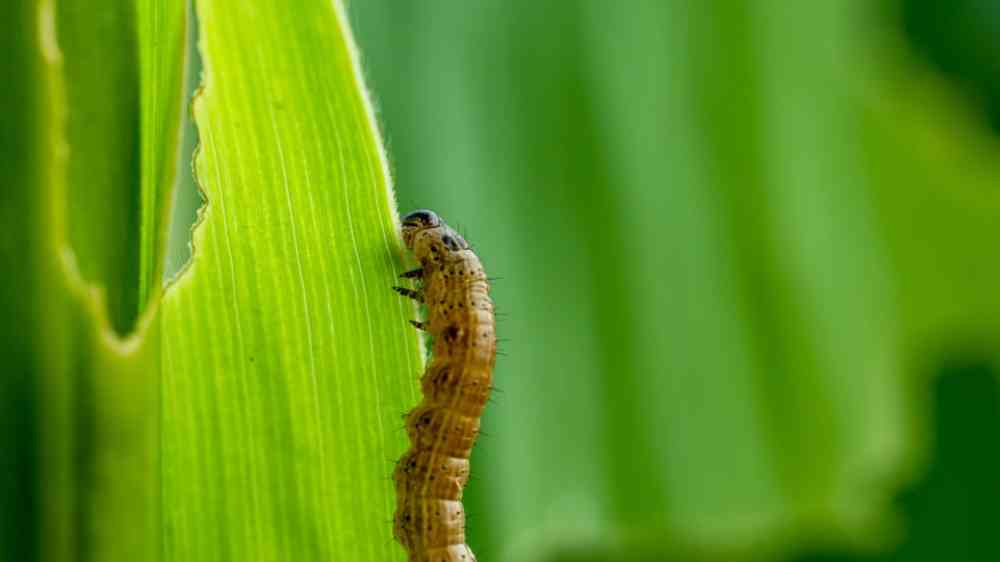
Armyworm feeding on a corn plant
Update

Researchers assessing the effects of a campaign on fall armyworm control and maize yield found thatcampaign increased maize yield by up to 34 per cent by aiding adoption of better practices

Science and Development Network
A farmer holds a corn leaf full of holes eaten out by pests
Update

A new study from North Carolina State University shows soil temperature can be used to effectively monitor and predict the spread of the corn earworm (Helicoverpa zea), a pest that ravages corn, cotton, soybeans, peppers, tomatoes and other crops.

North Carolina State University (NCSU)
Research briefs

Plant that helps produce behavior-changing pheromones could boost environmentally friendly pest control.

American Association for the Advancement of Science
Update

To avert agricultural losses due to the voracious desert locust, FAO recently delivered various equipment and machinery to Yemen's Ministry of Agriculture, Irrigation and Fisheries (MAIF) in Aden.

Food and Agriculture Organization of the United Nations (FAO)
Update

Mexico is using a nuclear-based technique known as the sterile insect technique (SIT) to eradicate the medfly that had been threatening fruit and vegetable crops, farmers’ livelihoods and the country’s economy.

International Atomic Energy Agency
Uploaded on