1. Home
  2. Knowledge Base | PreventionWeb
  3. Hazards

Insect infestation

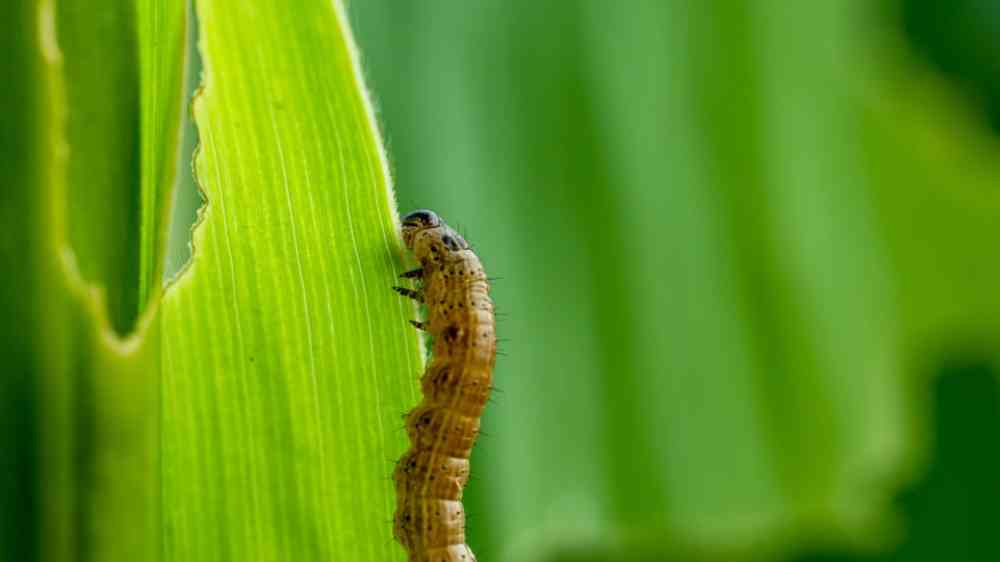
An insect pest infestation is a recently detected insect pest population, including an incursion, or a sudden significant increase of an established insect, disease agents or weed population in an area leading to damage to plants in production fields, forests or natural habitats and causing substantial damage to productivity, biodiversity or natural resources (adapted from FAO, 2019).

This planting technique reduces crop losses and improves food security.

Risk factors

Higher temperature, severe and extreme weather events and drought stress can all result in reduced vigour of trees, making them more vulnerable to outbreaks of native and introduced pests and diseases. For example, the dieback of millions of hectares of pine forests caused by outbreaks of native bark beetles in Central America, Europe and North America is associated with climate change, impacts of extreme weather events, and, in some cases, inadequate forest management practices (FAO, 2020b).

Favourable climatic conditions, disruption of ecosystems and negligence of crop/forest hygiene contribute to growth in insect populations which can cause substantial damage regularly. In many cases, long distance spread of insects results from transportation of infested goods.

Risk reduction measures

Following principles of sustainable plant production, sustainable forest management and integrated pest management practices are the best approach for control, focusing on diversified production systems, regular surveillance, preparedness before potential outbreaks, and a rapid response to prevent escalation to unmanageable scales (Guzewich et al., 1997). Post disaster needs assessment (PDNA) is designed to evaluate immediate needs for recovery and restoration for better disaster response (HIP).
Latest Insect infestation additions in the Knowledge Base

Uploaded on
Research briefs

A new study led by scientists from the Chinese MARA-CABI Joint Laboratory for Biosafety suggests greater awareness of biopesticide market availability, efficacy and field application processes could help tackle locust outbreaks in China.

CAB International
Research briefs

Intercropping – the practice of planting mixtures of crops – can be an effective pest management tool worldwide, a new University of Florida study shows.

University of Florida’s Institute of Food and Agricultural Sciences
Dying coconut trees
Update

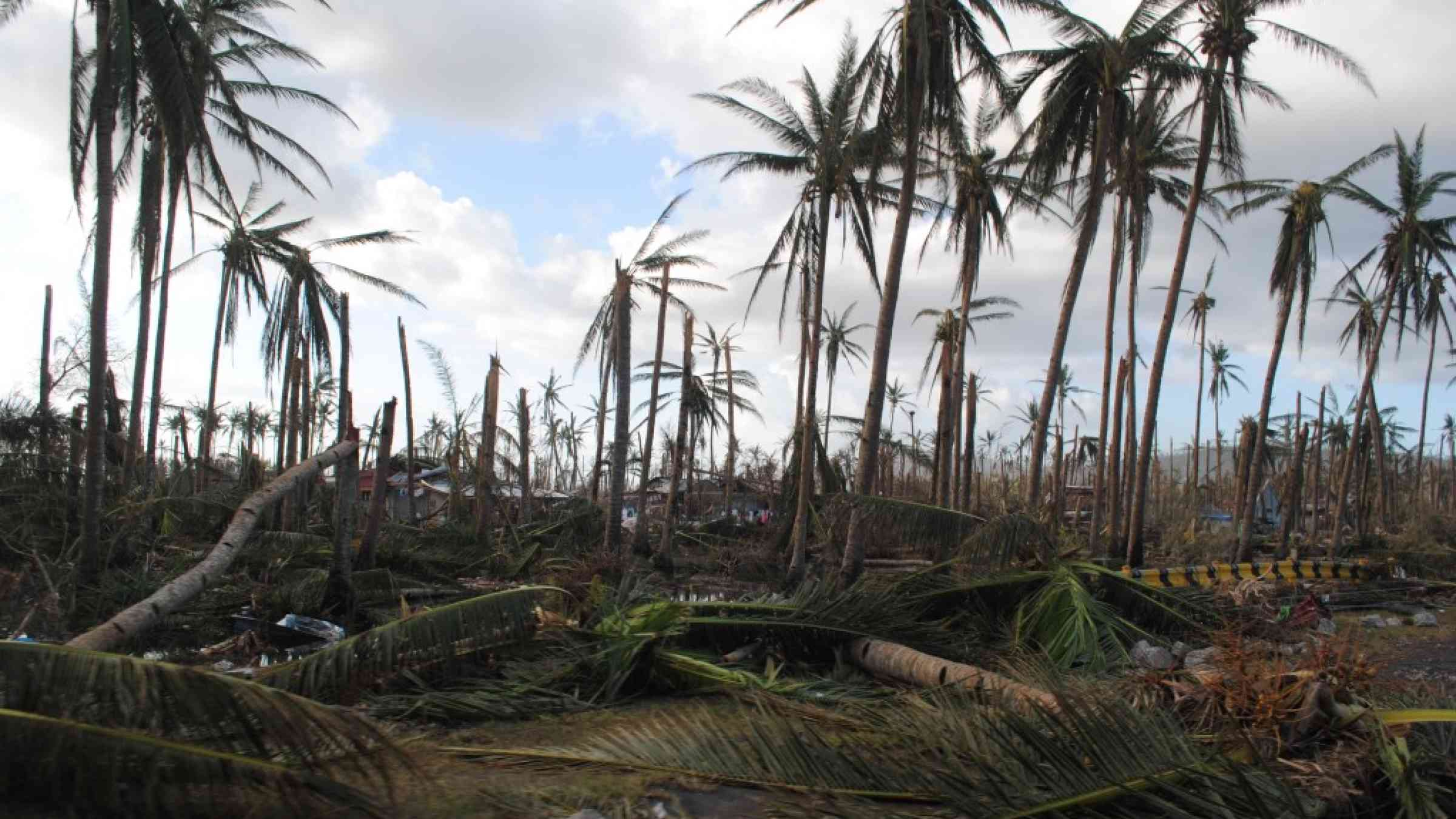
Consistent monitoring and surveillance of the deadly coconut rhinoceros beetle (CRB) in Vanuatu will be crucial for the country’s biosecurity team in the coming months following the destruction left behind by the four tropical cyclones Judy and Kevin.

Pacific Community
Close-up on a few desert locusts on corn plants.
Research briefs

In work published in Agronomy, the TMG Research gGmbH study team traced a highly destructive desert locust invasion in the Eastern Africa and Horn region between 2019-2021. Ethiopia and Kenya sprayed over a million hectares with damaging pesticides.

PhysOrg, Omicron Technology Ltd
Update

Experts want Counties to scale up and accelerate the adoption of recently developed disease and pest control technologies to realize better yields this season.

Kenya news
Cover FAO
Documents and publications

In March–April 2022, Tajikistan witnessed an increase of Moroccan locust infestations in its southern areas.

Food and Agriculture Organization of the United Nations (FAO)
International Awareness Day for Avoidable Deaths Poster
Update

The Avoidable Deaths Network is launching a global campaign, declaring 12 March as the ‘International Awareness Day for Avoidable Deaths’ (IAD4AD).

Avoidable Deaths Network
Update

In 2020-21, Pakistan experienced its worst locust outbreak in nearly three decades, causing severe crop yield reduction or even total failure in many areas. According to the FAO, desert locusts affected 38 percent of Pakistan’s land area.

China Economic Net, Economic Daily
Uploaded on