1. Home
  2. Knowledge Base | PreventionWeb
  3. Hazards

Insect infestation

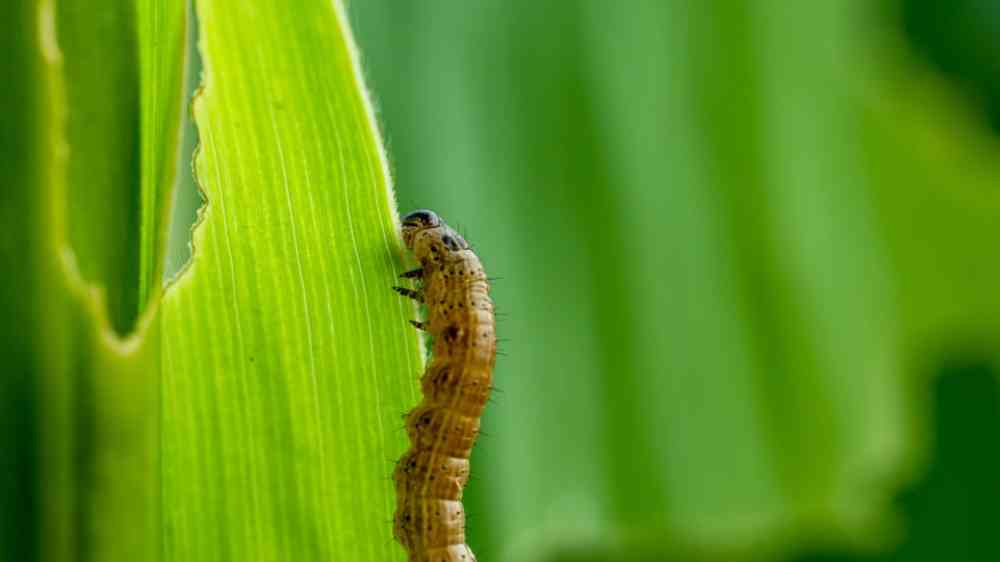
An insect pest infestation is a recently detected insect pest population, including an incursion, or a sudden significant increase of an established insect, disease agents or weed population in an area leading to damage to plants in production fields, forests or natural habitats and causing substantial damage to productivity, biodiversity or natural resources (adapted from FAO, 2019).

This planting technique reduces crop losses and improves food security.

Risk factors

Higher temperature, severe and extreme weather events and drought stress can all result in reduced vigour of trees, making them more vulnerable to outbreaks of native and introduced pests and diseases. For example, the dieback of millions of hectares of pine forests caused by outbreaks of native bark beetles in Central America, Europe and North America is associated with climate change, impacts of extreme weather events, and, in some cases, inadequate forest management practices (FAO, 2020b).

Favourable climatic conditions, disruption of ecosystems and negligence of crop/forest hygiene contribute to growth in insect populations which can cause substantial damage regularly. In many cases, long distance spread of insects results from transportation of infested goods.

Risk reduction measures

Following principles of sustainable plant production, sustainable forest management and integrated pest management practices are the best approach for control, focusing on diversified production systems, regular surveillance, preparedness before potential outbreaks, and a rapid response to prevent escalation to unmanageable scales (Guzewich et al., 1997). Post disaster needs assessment (PDNA) is designed to evaluate immediate needs for recovery and restoration for better disaster response (HIP).

Latest Insect infestation additions in the Knowledge Base

Uploaded on
Update

Scientists warn that fighting fall armyworm requires global efforts as the pest could spread to more countries. The Fall Armyworm Research for Development International Consortium, which was recently launched, is the first step towards achieving this goal, but researchers warn there is no single solution to effectively manage the pest.

Science and Development Network
Research briefs

New research finds that pests most commonly targeting New Zealand’s pastures are costing the economy up to $2.3 billion a year. The study is the first of its kind to estimate the financial impact of invertebrate pests, such as the grass grub, black beetle, nematodes and weevils, in terms of lost productivity for pastoral farming.

AgResearch
Policies and plans
Policy type
National policies and plans

This plan is a sectoral policy document, jointly issued by the National Development and Reform Commission and the Ministry of Agriculture in order to improve the capacity of grassland disaster prevention and mitigation, maintain the security of grassland

People's Republic of China - government
Update

A team led by Plant and Food Research will undertake a pilot study to determine if native birds can potentially function as nature’s pest control. Next-generation sequencing technology will allow researchers to better understand the birds' insect preferences and whether they should be encouraged or discouraged from the orchard environment.

The New Zealand Institute for Plant and Food Research Limited
Update

Researchers plan on combating fall armyworm in Kenya, Tanzania, and Ethiopia by breeding and releasing parasitoid wasps, the armyworm's natural enemy. This form of biological control is a viable solution because it is environmentally friendly, socially acceptable, safe for humans and animals, and self-perpetuating.

Entomological Society of America
Update

New research finds that every ladybird in a cotton field in the North China Plain provides an economic benefit to farmers of at least 0.05 yuan (US$ 0.01). Doubling the current ladybird density in two-thirds of Chinese cotton fields could bring farmers around US$300 million per year because ladybirds eat aphids that destroy cotton plants, reducing insecticide costs.

Consultative Group on International Agricultural Research (CGIAR)
Update

New research finds that metal bins and hermetically sealed bags can cut the loss of harvested maize by 10% in Tanzania, and help one-third fewer households go hungry in the lean season. Up to 98% of insects can be eliminated from stored grain within a month of putting it in the bag, cutting losses.

Thomson Reuters Foundation, trust.org
Research briefs

New research shows that crop losses for critical food grains will increase substantially with global warming, as rising temperatures boost the metabolism and population growth of insect pests. Losses are projected to rise by 10 to 25% per degree of warming, with France, China, and the United States being the hardest hit.

University of Vermont
Uploaded on