1. Home
  2. Knowledge Base | PreventionWeb
  3. Hazards

Insect infestation

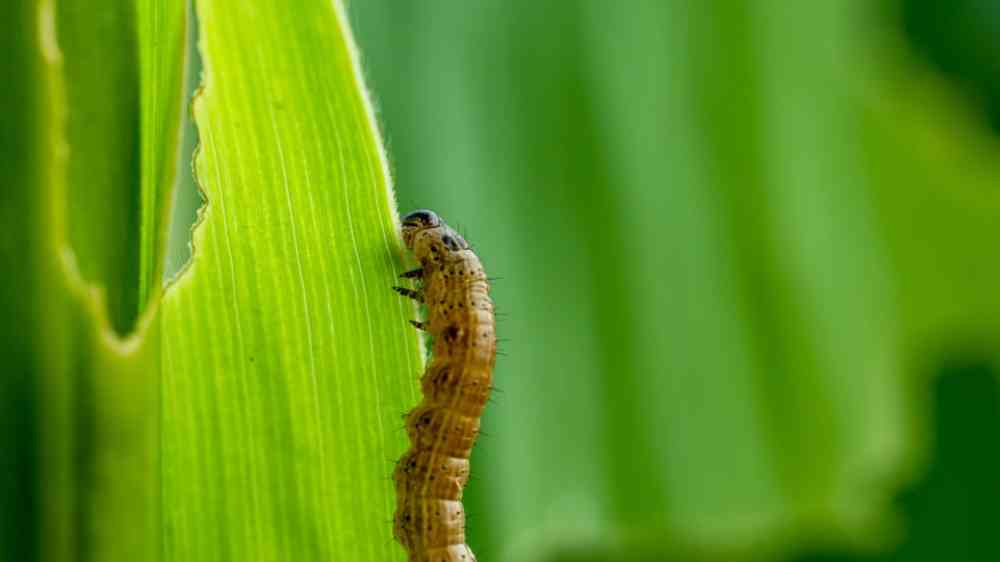
An insect pest infestation is a recently detected insect pest population, including an incursion, or a sudden significant increase of an established insect, disease agents or weed population in an area leading to damage to plants in production fields, forests or natural habitats and causing substantial damage to productivity, biodiversity or natural resources (adapted from FAO, 2019).

This planting technique reduces crop losses and improves food security.

Risk factors

Higher temperature, severe and extreme weather events and drought stress can all result in reduced vigour of trees, making them more vulnerable to outbreaks of native and introduced pests and diseases. For example, the dieback of millions of hectares of pine forests caused by outbreaks of native bark beetles in Central America, Europe and North America is associated with climate change, impacts of extreme weather events, and, in some cases, inadequate forest management practices (FAO, 2020b).

Favourable climatic conditions, disruption of ecosystems and negligence of crop/forest hygiene contribute to growth in insect populations which can cause substantial damage regularly. In many cases, long distance spread of insects results from transportation of infested goods.

Risk reduction measures

Following principles of sustainable plant production, sustainable forest management and integrated pest management practices are the best approach for control, focusing on diversified production systems, regular surveillance, preparedness before potential outbreaks, and a rapid response to prevent escalation to unmanageable scales (Guzewich et al., 1997). Post disaster needs assessment (PDNA) is designed to evaluate immediate needs for recovery and restoration for better disaster response (HIP).

Latest Insect infestation additions in the Knowledge Base

Uploaded on
Research briefs

As climate change increases the prevalence of liver fluke, a parasite that can significantly impact livestock production, a new tool explicitly links liver fluke prevalence with key environmental drivers to help farmers decide whether to avoid grazing livestock on certain pastures.

University of Bristol
Update

Farmers in the Himalayas have experienced increasingly erratic rainfall, drought and floods, higher temperatures, and a rise in crop pests and diseases, leading to lower yields. However, farmers are developing new – and old – ways to improve food security, climate resilience and incomes, while maintaining crop diversity.

Down To Earth
Research briefs

Researchers have discovered insights into the chemical language used between invasive stink bugs to attract each other. Applying this knowledge allows researchers to incorporate these chemicals into "trap crops" that lure these pests away from more profitable crops, thereby reducing insecticide expenses by potentially millions of dollars.

Virginia Tech
Update

Despite growing more climate-resilient crops, inconsistent rainfall patterns have yielded a surge in pests in Malawi farmers' crops. However, under the under the M-CLIMES Project, farmers will receive tailored weather information and advisories to better manage their crops.

United Nations Development Programme (UNDP)
Research briefs

New research shows that countries including China, Indonesia and Australia face a high threat of invasion by the fall armyworm because of their trade routes and climate conditions. Governments can limit the movement of invasive species across borders through proper quarantine regulation and inspection, and by ensuring food supply chains follow appropriate measures.

University of Exeter
Research briefs

For Colombia's coffee producers, climate-induced disasters – coupled with the increasingly unpredictable seasons, crop disease and invasive insects associated with climate change – endanger their livelihoods. Considering that coffee is Colombia's most important agricultural export, some farmers have begun experimenting with new farming techniques to offset risks.

Conversation Media Group, the
Documents and publications

This paper aims to assess the potential global year-round distribution of fall armyworm and its impact on crops and livelihoods. This paper used evidence of the effects of temperature and precipitation on fall armyworm life-history, combined with data on

Cold Spring Harbor Laboratory
Update

Fall Armyworm could threaten the food security and livelihoods of millions of small-scale farmers in Asia as the invasive crop-eating pest is highly likely to spread further from India, with South East Asia and South China most at risk. It could have a devastating impact on Asia's maize and rice crops, which are among the most cultivated in the region.

Food and Agriculture Organization of the United Nations (FAO)
Uploaded on