1. Home
  2. Knowledge Base | PreventionWeb
  3. Hazards

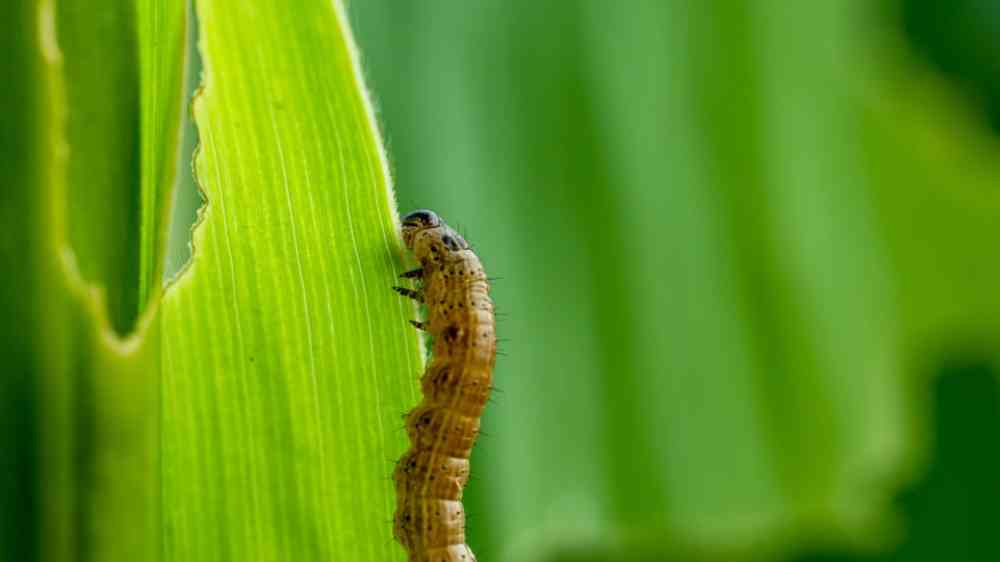
Insect infestation

An insect pest infestation is a recently detected insect pest population, including an incursion, or a sudden significant increase of an established insect, disease agents or weed population in an area leading to damage to plants in production fields, forests or natural habitats and causing substantial damage to productivity, biodiversity or natural resources (adapted from FAO, 2019).

This planting technique reduces crop losses and improves food security.

Risk factors

Higher temperature, severe and extreme weather events and drought stress can all result in reduced vigour of trees, making them more vulnerable to outbreaks of native and introduced pests and diseases. For example, the dieback of millions of hectares of pine forests caused by outbreaks of native bark beetles in Central America, Europe and North America is associated with climate change, impacts of extreme weather events, and, in some cases, inadequate forest management practices (FAO, 2020b).

Favourable climatic conditions, disruption of ecosystems and negligence of crop/forest hygiene contribute to growth in insect populations which can cause substantial damage regularly. In many cases, long distance spread of insects results from transportation of infested goods.

Risk reduction measures

Following principles of sustainable plant production, sustainable forest management and integrated pest management practices are the best approach for control, focusing on diversified production systems, regular surveillance, preparedness before potential outbreaks, and a rapid response to prevent escalation to unmanageable scales (Guzewich et al., 1997). Post disaster needs assessment (PDNA) is designed to evaluate immediate needs for recovery and restoration for better disaster response (HIP).

Latest Insect infestation additions in the Knowledge Base

Uploaded on
Research briefs

New research contradicts the widespread assumption that more natural habitats around farm fields yields more crop pest enemies and deterrents. While much of the research shows that surrounding natural habitat does indeed help farmers control pests, just as much illustrates negative effects on crop yields, negating the one-size-fits-all approach to pest mitigation.

University of California, Santa Cruz
Update

Regional Marketing Group (RMG) Ghana Limited has introduced a new chemical known as “Belt Expert 480SC” to help farmers fight the menace of Fall Armyworm. The chemical is not corrosive to most beneficial species and pollinators, and demonstrates good stability to UV radiation and can provide a longer residual effect.

Ghana News Agency
Update

In Kenya, fall armyworm has spread to many parts of maize-growing areas, with the government estimating that over 50% losses in maize yields could occur this year as a result of the spread of the pest. Ineffective pesticides and a lack of coordination between the national and county governments in terms of intervention have further exacerbated the situation.

Science and Development Network
Update

Strong plant protection regulatory frameworks are important in safeguarding agriculture from fall armyworm. As countries build these regulatory frameworks, they need data and information to drive decision-making, which can be acquired through designating a national plant protection unit, producing yearly reports, and creating protocols, among other projects.

Feed the Future
Documents and publications

Ecosystem-based adaptation (EbA) is the use of biodiversity and ecosystem services as part of an overall strategy to help people to adapt to the adverse effects of climate change and promote sustainable development. This report presents the results of

World Conservation Monitoring Centre
United Nations Environment Programme (UNEP)
International Institute for Environment and Development (IIED)
International Union for the Conservation of Nature
Centre for Chinese Agricultural Policy
Update

A new weapon in the fight against the Fall armyworm is being launched giving thousands of smallholder farmers free expert help and advice on how to tackle the devastating pest through mobile SMS text messaging. Such information will guide farmers with sound FAW management measures, thereby contributing towards the overall Government agenda on food security.

CAB International
Documents and publications

This document provides a regional assessment of food security and vulnerability for SADC member countries, and aims to synthesise national level vulnerability assessments, facilitate discussions and a shared vision for reducing vulnerability, and discuss

Southern African Development Community
Update

Farmers in Western Kenya have discovered that organic control methods are much more effective in control of the armyworms than chemical options. Farmers have begun using natural bio-pesticides as well as garlic, which is cheaper than chemical pesticides.

Farmers Review Africa
Uploaded on