1. Home
  2. Knowledge Base | PreventionWeb
  3. Hazards

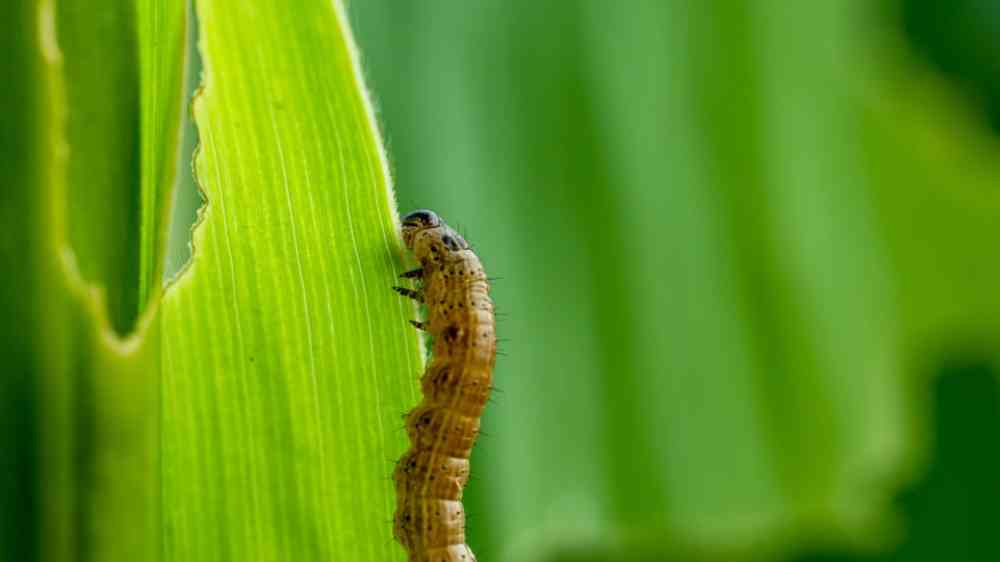
Insect infestation

An insect pest infestation is a recently detected insect pest population, including an incursion, or a sudden significant increase of an established insect, disease agents or weed population in an area leading to damage to plants in production fields, forests or natural habitats and causing substantial damage to productivity, biodiversity or natural resources (adapted from FAO, 2019).

This planting technique reduces crop losses and improves food security.

Risk factors

Higher temperature, severe and extreme weather events and drought stress can all result in reduced vigour of trees, making them more vulnerable to outbreaks of native and introduced pests and diseases. For example, the dieback of millions of hectares of pine forests caused by outbreaks of native bark beetles in Central America, Europe and North America is associated with climate change, impacts of extreme weather events, and, in some cases, inadequate forest management practices (FAO, 2020b).

Favourable climatic conditions, disruption of ecosystems and negligence of crop/forest hygiene contribute to growth in insect populations which can cause substantial damage regularly. In many cases, long distance spread of insects results from transportation of infested goods.

Risk reduction measures

Following principles of sustainable plant production, sustainable forest management and integrated pest management practices are the best approach for control, focusing on diversified production systems, regular surveillance, preparedness before potential outbreaks, and a rapid response to prevent escalation to unmanageable scales (Guzewich et al., 1997). Post disaster needs assessment (PDNA) is designed to evaluate immediate needs for recovery and restoration for better disaster response (HIP).

Latest Insect infestation additions in the Knowledge Base

Uploaded on
Documents and publications

This is the third edition of the Suffering in Silence report. The aim of this report is to highlight those humanitarian crises in 2018 that, though large, have received little public attention. In the final section, it also addresses the question of how

CARE International
Research briefs

A new study finds that the Western Corn Rootworm dies upon eating hybrid corn plants that are genetically engineered to produce insecticidal toxins from Bacillus thuringiensis, a bacterium. The plant sends out an organic compound that attracts nematodes to feed on the rootworms, effectively mitigating damages.

University of Delaware
Update

Below-normal monsoon rains and an infestation of the fall armyworm have cut India’s corn output and boosted prices, increasing the odds that the government will grant duty-free imports for the first time since 2016. The shift to imports in the world’s seventh-largest corn producer, which typically exports to Asia, highlights the breadth of the disaster losses.

Thomson Reuters
Update

The FAO has warned that rains and cyclones triggered a recent surge in Desert Locust populations, causing an outbreak to develop in Sudan and Eritrea that is rapidly spreading to Saudi Arabia and Egypt. Given the major threat these swarms pose to crop production and livelihoods, countries are using aerial and ground control methods to curb damages.

Food and Agriculture Organization of the United Nations (FAO)
Update

In Australia, floods in the Ross River have attracted mosquitoes and led to what is now known as Ross River virus. But despite plagues of mosquitoes taking advantage of flood waters, disease outbreaks don’t always follow. Complex biological, environmental and climatic drivers can obscure predictions for viral outbreaks.

Conversation Media Group, the
Documents and publications

Climate change is altering seasonal patterns in Michigan, USA, making hot days hotter, and increasing the severity of extreme events. As a result, Michiganders face a variety of increasing health problems such as more heat-related illnesses, breathing and

Natural Resources Defense Council
Research briefs

New research has quantified the losses associated with 137 pathogens and pests in five major food crops. Losses are substantial and vary across critical sources of the global food system. The research provides a measure of past advances and a springboard for future progress, research and policy prioritisation concerning crop health management.

University of Twente
Update

Drones are delivering a whole new perspective of crop disease and pest early warning system to farmers, as the devices are over 10 times more accurate than the human eye. Using infrared light, drone sensors assess crop stress, creating colour coded maps that predict pest and disease attacks and identify plant stresses like water levels and humidity.

Nation Media Group Ltd.
Uploaded on