1. Home
  2. Knowledge Base | PreventionWeb
  3. Hazards

Insect infestation

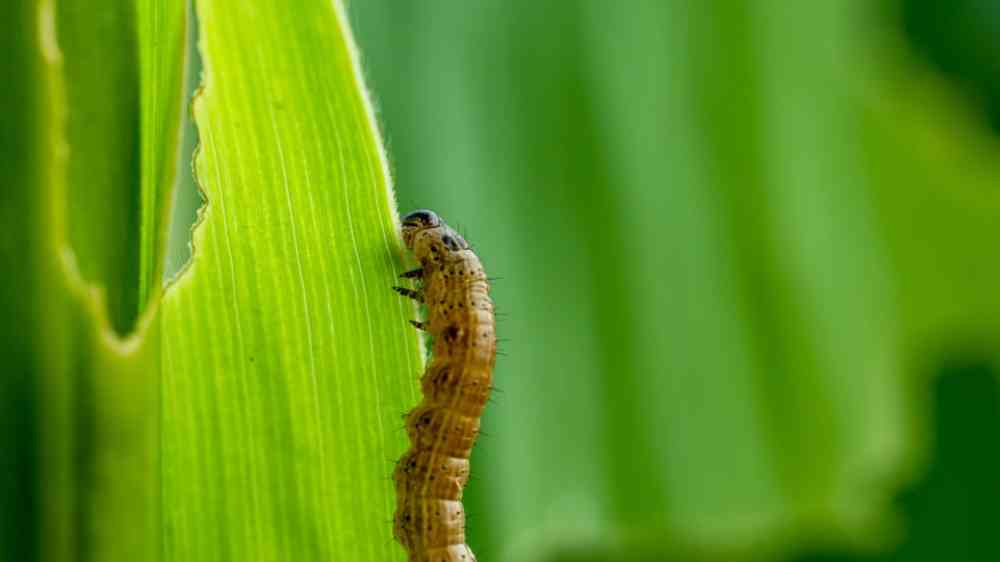
An insect pest infestation is a recently detected insect pest population, including an incursion, or a sudden significant increase of an established insect, disease agents or weed population in an area leading to damage to plants in production fields, forests or natural habitats and causing substantial damage to productivity, biodiversity or natural resources (adapted from FAO, 2019).

This planting technique reduces crop losses and improves food security.

Risk factors

Higher temperature, severe and extreme weather events and drought stress can all result in reduced vigour of trees, making them more vulnerable to outbreaks of native and introduced pests and diseases. For example, the dieback of millions of hectares of pine forests caused by outbreaks of native bark beetles in Central America, Europe and North America is associated with climate change, impacts of extreme weather events, and, in some cases, inadequate forest management practices (FAO, 2020b).

Favourable climatic conditions, disruption of ecosystems and negligence of crop/forest hygiene contribute to growth in insect populations which can cause substantial damage regularly. In many cases, long distance spread of insects results from transportation of infested goods.

Risk reduction measures

Following principles of sustainable plant production, sustainable forest management and integrated pest management practices are the best approach for control, focusing on diversified production systems, regular surveillance, preparedness before potential outbreaks, and a rapid response to prevent escalation to unmanageable scales (Guzewich et al., 1997). Post disaster needs assessment (PDNA) is designed to evaluate immediate needs for recovery and restoration for better disaster response (HIP).

Latest Insect infestation additions in the Knowledge Base

Uploaded on
Research briefs

Researchers have created a visual guide to help identify and control the Asian longhorned tick, which threatens livestock in the United States. The tick has become widespread in the eastern U.S. and is almost identical to two U.S. species, obfuscating identification. But the guide makes it easy for anyone with a strong enough microscope to differentiate the pests.

Rutgers, The State University of New Jersey
Research briefs

John A Wightman, an expert who combatted Spolit in India during the 1980s, recommends managing fall armyworm by measuring the pest's resistance to insecticides, exploring pesticidal plants and entomopathogens, and using natural predators. Beyond other observations, he also calls for more research to understand the pest's survival during the dry season.

International Crops Research Institute for the Semi-Arid Tropics
Update

In western India, sugarcane yields are declining because climate-induced higher temperatures and prolonged dry spells are leading to increased pest attacks and disease outbreaks. But large-scale organic farming can help sugarcanes survive.

India Climate Dialogue
Update

With about 80 percent of Kenya's population relying on maize as a staple food, the fall armyworm invasion in the abundant North Rift could wreak havoc on production. But the government's recent early warning and optimistic outlook on the response to the threat are a positive sign that the pest won't be too damaging.

Nation Media Group Limited
Documents and publications

This paper examines farmers’ perceptions of climate change and climate-related risks affecting crop and livestock production, including climate-risk management and adaptation strategies, in Uganda. Percieved changes in climate included erratic rainfall

Elsevier
Research briefs

The widespread distribution and use of pesticides to control fall armyworm in Africa is not ideal because some are harmful and highly toxic, putting smallholder farmers at risk. Instead, biopesticides present safe, low-risk options for pest control. But few biopesticides are registered for use in African countries, and many are unaffordable or not widely available.

Conversation Media Group, the
Research briefs

Analysing the effects of different temperatures and precipitation levels on fall armyworm, new research finds that South and Southeast Asia, as well as Australia are most at risk of an invasion. But other regions are not in the clear and the pest could travel very far during its seasonal migration, especially because of increasing transportation and global trade.

Pensoft Publishers
Update

Sri Lanka's Agriculture of Ministry has decided to use drone technology to spray insecticides and stop the Fall Armyworm from spreading. This is but one of many measures, including the introduction of four new and subsidized pesticides.

Daily News, the
Uploaded on