1. Home
  2. Knowledge Base | PreventionWeb
  3. Hazards

Insect infestation

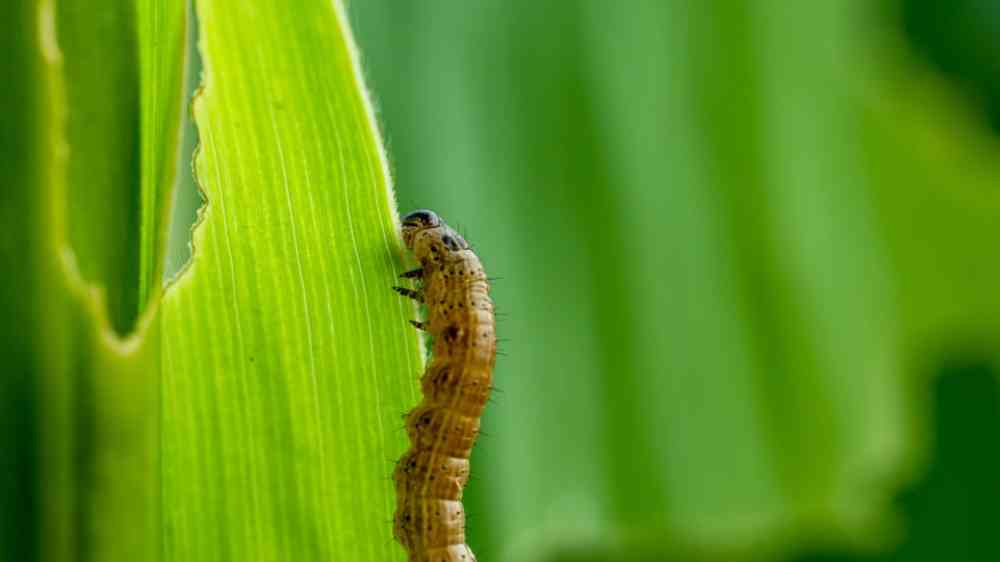
An insect pest infestation is a recently detected insect pest population, including an incursion, or a sudden significant increase of an established insect, disease agents or weed population in an area leading to damage to plants in production fields, forests or natural habitats and causing substantial damage to productivity, biodiversity or natural resources (adapted from FAO, 2019).

This planting technique reduces crop losses and improves food security.

Risk factors

Higher temperature, severe and extreme weather events and drought stress can all result in reduced vigour of trees, making them more vulnerable to outbreaks of native and introduced pests and diseases. For example, the dieback of millions of hectares of pine forests caused by outbreaks of native bark beetles in Central America, Europe and North America is associated with climate change, impacts of extreme weather events, and, in some cases, inadequate forest management practices (FAO, 2020b).

Favourable climatic conditions, disruption of ecosystems and negligence of crop/forest hygiene contribute to growth in insect populations which can cause substantial damage regularly. In many cases, long distance spread of insects results from transportation of infested goods.

Risk reduction measures

Following principles of sustainable plant production, sustainable forest management and integrated pest management practices are the best approach for control, focusing on diversified production systems, regular surveillance, preparedness before potential outbreaks, and a rapid response to prevent escalation to unmanageable scales (Guzewich et al., 1997). Post disaster needs assessment (PDNA) is designed to evaluate immediate needs for recovery and restoration for better disaster response (HIP).

Latest Insect infestation additions in the Knowledge Base

Uploaded on
Update

Fall armyworms arrived in Bangladesh in 2018 after ravaging Sub-Saharan Africa; 2019 brings an intense attack as pesticides fail to take effect.

The Daily Prothom Alo
Update

As millet-destroying worm thrives in drier conditions, farmers learn how to breed wasps that can control the pest damaging their food supplies and incomes.

Thomson Reuters Foundation, trust.org
Documents and publications

The fall armyworm, Spodoptera frugiperda, a moth originating from tropical and subtropical America, has recently become a serious pest of cereals in sub-Saharan Africa. Biological control offers an economically and environmentally safer alternative to

International Crops Research Institute for the Semi-Arid Tropics
Research briefs

To reduce the amount of disease-bearing insects, researchers in a new study released transgenic mosquitoes in Brazil to breed with wild populations and limit reproduction.

Yale University
Update

XAG will introduce autonomous drones in countries where fall armyworm has ruined crops, in order to improve the control efficacy that has been limited to manual spraying.

XAG Co., Ltd.
Update

The fall army worm is a voracious eater of maize plants and has spread quickly throughout India, causing cascading effects on crops and growing prices.

Mongabay
Update

Protecting amaranth, Africa's most consumed crop, and preventing infestations from the amaranthus leaf webber may mitigate food insecurity in the continent.

CNBC
Update

Locusts are difficult to control, but a lab at Arizona State University is studying locust life and believes that crops low in carbohydrates may be the key.

NPR
Uploaded on