1. Home
  2. Knowledge Base | PreventionWeb
  3. Hazards

Insect infestation

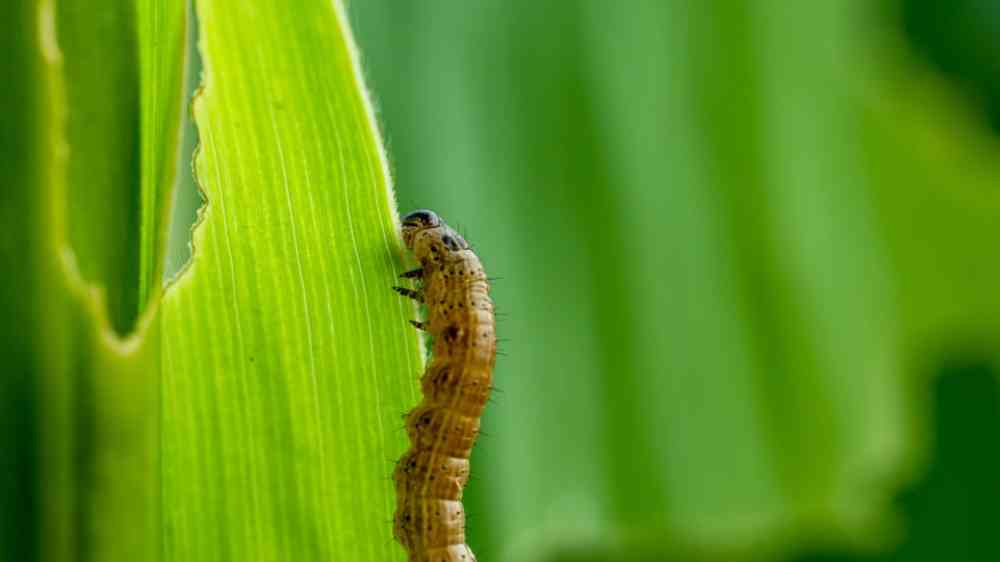
An insect pest infestation is a recently detected insect pest population, including an incursion, or a sudden significant increase of an established insect, disease agents or weed population in an area leading to damage to plants in production fields, forests or natural habitats and causing substantial damage to productivity, biodiversity or natural resources (adapted from FAO, 2019).

This planting technique reduces crop losses and improves food security.

Risk factors

Higher temperature, severe and extreme weather events and drought stress can all result in reduced vigour of trees, making them more vulnerable to outbreaks of native and introduced pests and diseases. For example, the dieback of millions of hectares of pine forests caused by outbreaks of native bark beetles in Central America, Europe and North America is associated with climate change, impacts of extreme weather events, and, in some cases, inadequate forest management practices (FAO, 2020b).

Favourable climatic conditions, disruption of ecosystems and negligence of crop/forest hygiene contribute to growth in insect populations which can cause substantial damage regularly. In many cases, long distance spread of insects results from transportation of infested goods.

Risk reduction measures

Following principles of sustainable plant production, sustainable forest management and integrated pest management practices are the best approach for control, focusing on diversified production systems, regular surveillance, preparedness before potential outbreaks, and a rapid response to prevent escalation to unmanageable scales (Guzewich et al., 1997). Post disaster needs assessment (PDNA) is designed to evaluate immediate needs for recovery and restoration for better disaster response (HIP).

Latest Insect infestation additions in the Knowledge Base

Uploaded on
Update

In anticipation of the spread of Fall Armyworm in India, agriculture officials recommend that farmers use summer ploughing.

Times of India, the
Documents and publications

Earlier models of integrated pest management (IPM) focused on ecological aspects of pest management. With the recent developments in agricultural technology, modern communication tools, changing consumer trends, increased awareness for sustainably

Oxford University Press
Entomological Society of America
Research briefs

Surendra Dara, a cooperative extension advisor at the University of California, presents a new model for integrated pest management (IPM). The model balances knowledge of IPM and access to expertise, organisational capacity, communication, extension educators, and the public, and aims to encourage collaboration between different disciplines.

Entomological Society of America
Update

New research reveals that aphids, mustard plant pests, in India's Gangetic plain originate from the Himalayas. Lower temperatures drive the aphid to migrate from the freezing part of western Himalaya to the upper portion of the Indo Gangetic Plains, with spreading wind patterns facilitating this migration.

India Science Wire
Update

Insects are proliferating across the world as climate change gathers pace, which scientists say will threaten food production, particularly in bio-diverse countries like India. Caterpillar and fall armyworm invasions are preludes to future crop destruction, escalating the need for pest management to become the new norm.

India Climate Dialogue
Documents and publications

Insect pests damage millions of hectares of forest worldwide each year. Moreover, the extent of such damage is increasing as international trade grows, facilitating the spread of insect pests, and as the impacts of climate change become more evident

Food and Agriculture Organization of the United Nations (FAO)
Documents and publications

This profile provides an overview of climate risks in Malawi, including how climate change will potentially impact three key sectors in the country: agriculture; health and nutrition; and water, sanitation and hygiene (WASH).

United States Agency for International Development (USAID)
Research briefs

A group of scientists have confirmed the presence of an egg parasitoid called Telenomus remus in multiple African countries. The species could be a vital tool in the fight against the devastating fall armyworm that threatens the food security of more than 200 million people.

CAB International
Uploaded on