1. Home
  2. Knowledge Base | PreventionWeb
  3. Hazards

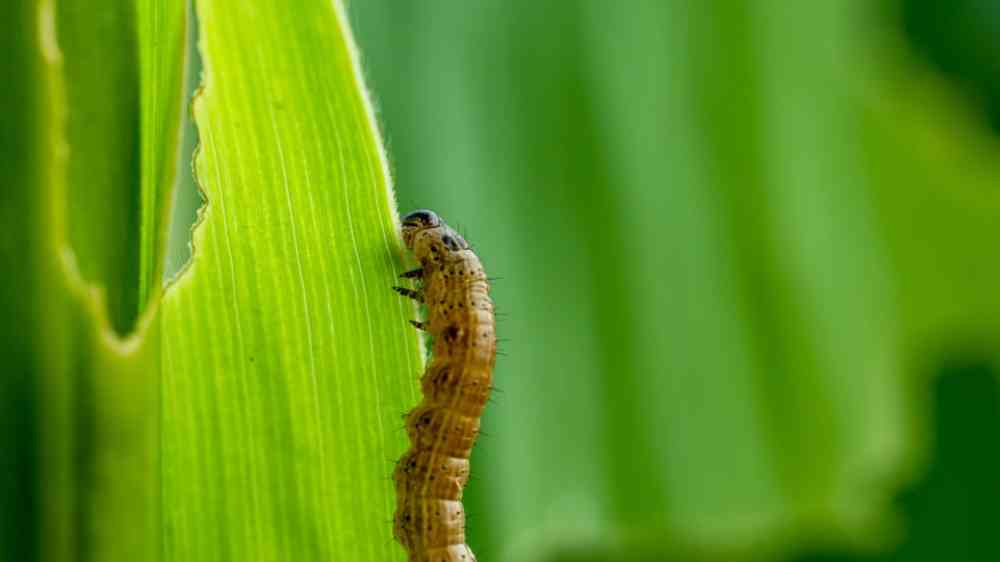
Insect infestation

An insect pest infestation is a recently detected insect pest population, including an incursion, or a sudden significant increase of an established insect, disease agents or weed population in an area leading to damage to plants in production fields, forests or natural habitats and causing substantial damage to productivity, biodiversity or natural resources (adapted from FAO, 2019).

This planting technique reduces crop losses and improves food security.

Risk factors

Higher temperature, severe and extreme weather events and drought stress can all result in reduced vigour of trees, making them more vulnerable to outbreaks of native and introduced pests and diseases. For example, the dieback of millions of hectares of pine forests caused by outbreaks of native bark beetles in Central America, Europe and North America is associated with climate change, impacts of extreme weather events, and, in some cases, inadequate forest management practices (FAO, 2020b).

Favourable climatic conditions, disruption of ecosystems and negligence of crop/forest hygiene contribute to growth in insect populations which can cause substantial damage regularly. In many cases, long distance spread of insects results from transportation of infested goods.

Risk reduction measures

Following principles of sustainable plant production, sustainable forest management and integrated pest management practices are the best approach for control, focusing on diversified production systems, regular surveillance, preparedness before potential outbreaks, and a rapid response to prevent escalation to unmanageable scales (Guzewich et al., 1997). Post disaster needs assessment (PDNA) is designed to evaluate immediate needs for recovery and restoration for better disaster response (HIP).

Latest Insect infestation additions in the Knowledge Base

Uploaded on
Update

Researchers use supercomputer to predict potential breeding areas of locust, as the worst locust outbreak in Kenya -----

Guardian, the (UK)
Update

Outbreaks of insect pests and invasions are rising in Africa, a trend expected to continue as temperatures increasing, creating ideal conditions for insects to thrive.

Conversation Media Group, the
Update

Swarms of locusts ravaging crops and grazing land across east Africa have reached South Sudan, already reeling from widespread hunger and years of civil war.

Thomson Reuters
Update

It will be more cost-effective to support the UN Food and Agriculture Organization to tackle locusts in East Africa now, than to help people after their crops are ruined.

World Food Programme (WFP)
Update

Tekniker is involved in the development of a robot that can move autonomously inside greenhouses, provides early pest detection and sprays pesticides.

IK4 Tekniker
Update

Locust swarms are ravaging crops in East Africa, with Kenya hit hard. If the trend continues, the region may need food aid soon.

Science and Development Network
Photo by Flickr user Wild Center CC BY-NC 2.0 https://flic.kr/p/9uzkpz
Update

UN to test drones with mapping sensors and atomizers to spray pesticides in parts of east Africa. The infestation threatens to increase food shortages in the region.

Thomson Reuters Foundation, trust.org
Update

Countries need to have a control institution in place to coordinate activities and information to track, locate and eliminate swarms of locust as early as possible.

Conversation Media Group, the
Uploaded on