1. Home
  2. Knowledge Base | PreventionWeb
  3. Hazards

Insect infestation

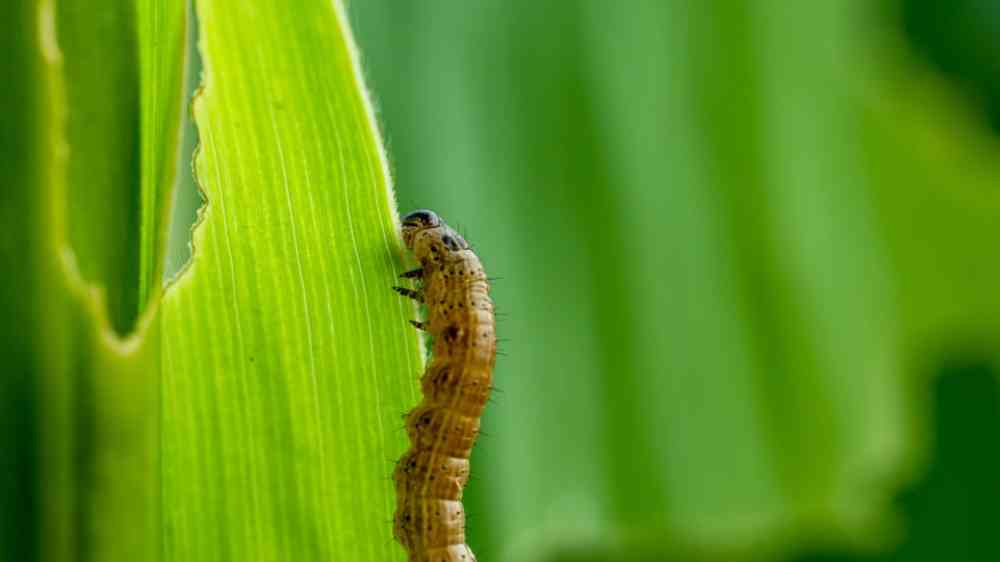
An insect pest infestation is a recently detected insect pest population, including an incursion, or a sudden significant increase of an established insect, disease agents or weed population in an area leading to damage to plants in production fields, forests or natural habitats and causing substantial damage to productivity, biodiversity or natural resources (adapted from FAO, 2019).

This planting technique reduces crop losses and improves food security.

Risk factors

Higher temperature, severe and extreme weather events and drought stress can all result in reduced vigour of trees, making them more vulnerable to outbreaks of native and introduced pests and diseases. For example, the dieback of millions of hectares of pine forests caused by outbreaks of native bark beetles in Central America, Europe and North America is associated with climate change, impacts of extreme weather events, and, in some cases, inadequate forest management practices (FAO, 2020b).

Favourable climatic conditions, disruption of ecosystems and negligence of crop/forest hygiene contribute to growth in insect populations which can cause substantial damage regularly. In many cases, long distance spread of insects results from transportation of infested goods.

Risk reduction measures

Following principles of sustainable plant production, sustainable forest management and integrated pest management practices are the best approach for control, focusing on diversified production systems, regular surveillance, preparedness before potential outbreaks, and a rapid response to prevent escalation to unmanageable scales (Guzewich et al., 1997). Post disaster needs assessment (PDNA) is designed to evaluate immediate needs for recovery and restoration for better disaster response (HIP).
Latest Insect infestation additions in the Knowledge Base

Uploaded on
Update

Researchers join FAO to make new tools to tackle the East African locust outbreak. These tools are ever more necessary as COVID-19 restricts locust reduction responses.

Food and Agriculture Organization of the United Nations (FAO)
Update

Desert locusts continue to remain alarming, particularly in Ethiopia, Kenya and Somalia, where they pose an unprecedented threat to food security and livelihoods.

Food and Agriculture Organization of the United Nations (FAO)
Update

SERVIR partners with relief organizations and the UN to produce maps explaining locust behaviour, drawing on environmental conditions that influence locust life cycles.

United Nations Platform for Space-based Information for Disaster Management and Emergency Response
Update

Coronavirus-linked flight restrictions are hampering efforts to wipe out locust swarms on the verge of devastating crops in eastern Africa

Thomson Reuters
Update

With 3 million Kenyans already facing food shortages, new locust swarms are starting to appear. Farmers have been warned to prepare.

Thomson Reuters Foundation, trust.org
Update

Experts fear locusts swarm like those seen in Africa will become more common with climate change as tropical storms create favourable breeding conditions for the insects.

Guardian, the (UK)
Update

Despite efforts to contain the locust swarms across East Africa, Asia, and the Middle East, heavy rains, war and a lack of funding have been hampering solutions.

Nature International journal of science
Update

The Food and Agriculture Organization of the United Nations begins training National Youth Service trainees to boost Kenya’s ground surveillance on desert locusts.

Food and Agriculture Organization of the United Nations (FAO)
Uploaded on