1. Home
  2. Knowledge Base | PreventionWeb
  3. Hazards

Insect infestation

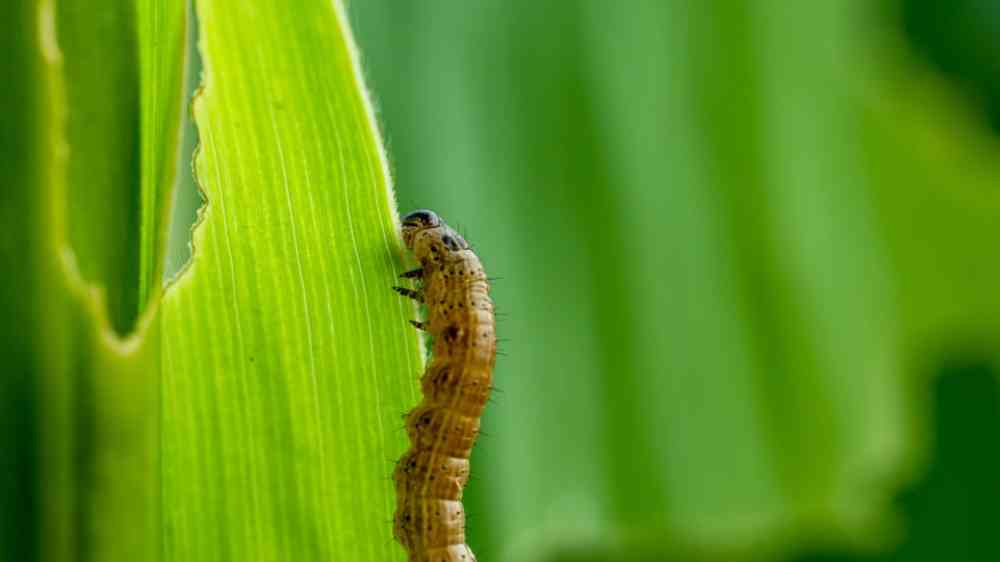
An insect pest infestation is a recently detected insect pest population, including an incursion, or a sudden significant increase of an established insect, disease agents or weed population in an area leading to damage to plants in production fields, forests or natural habitats and causing substantial damage to productivity, biodiversity or natural resources (adapted from FAO, 2019).

This planting technique reduces crop losses and improves food security.

Risk factors

Higher temperature, severe and extreme weather events and drought stress can all result in reduced vigour of trees, making them more vulnerable to outbreaks of native and introduced pests and diseases. For example, the dieback of millions of hectares of pine forests caused by outbreaks of native bark beetles in Central America, Europe and North America is associated with climate change, impacts of extreme weather events, and, in some cases, inadequate forest management practices (FAO, 2020b).

Favourable climatic conditions, disruption of ecosystems and negligence of crop/forest hygiene contribute to growth in insect populations which can cause substantial damage regularly. In many cases, long distance spread of insects results from transportation of infested goods.

Risk reduction measures

Following principles of sustainable plant production, sustainable forest management and integrated pest management practices are the best approach for control, focusing on diversified production systems, regular surveillance, preparedness before potential outbreaks, and a rapid response to prevent escalation to unmanageable scales (Guzewich et al., 1997). Post disaster needs assessment (PDNA) is designed to evaluate immediate needs for recovery and restoration for better disaster response (HIP).

Latest Insect infestation additions in the Knowledge Base

Uploaded on
Update

East Africa is currently facing multiple threats of locust swarms, flooding and Covid-19 that are affecting the livelihoods and food security of millions of people.

Climate and Development Knowledge Network
Photo by Flickr user Hector Garza, CC BY-NC-ND 2.0
Update

Drones are now providing an innovative alternative to the more expensive use of light aircrafts. These aerial vehicles can be used to remotely sense areas, carry out pest surveillance and monitor crop growth.

Conversation Media Group, the
Update

In Sudan, during the COVID-19 crisis, preserving the country’s natural resources is critical and could be the way to sustain the future.

World Bank, the
Update

If the outbreak isn't dealt with, larger swarms could devour summer crops and pave the way for more food insecurity, experts say.

Thomson Reuters Foundation, trust.org
Update

Russia's sprawling Siberia region is being transformed by climate change that has brought with it warmer temperatures, forest fires and moths.

France 24
Update

Now is the time to put together all our efforts to fight the locust war, build capacity of agriculture departments.

Express Tribune News Network, the
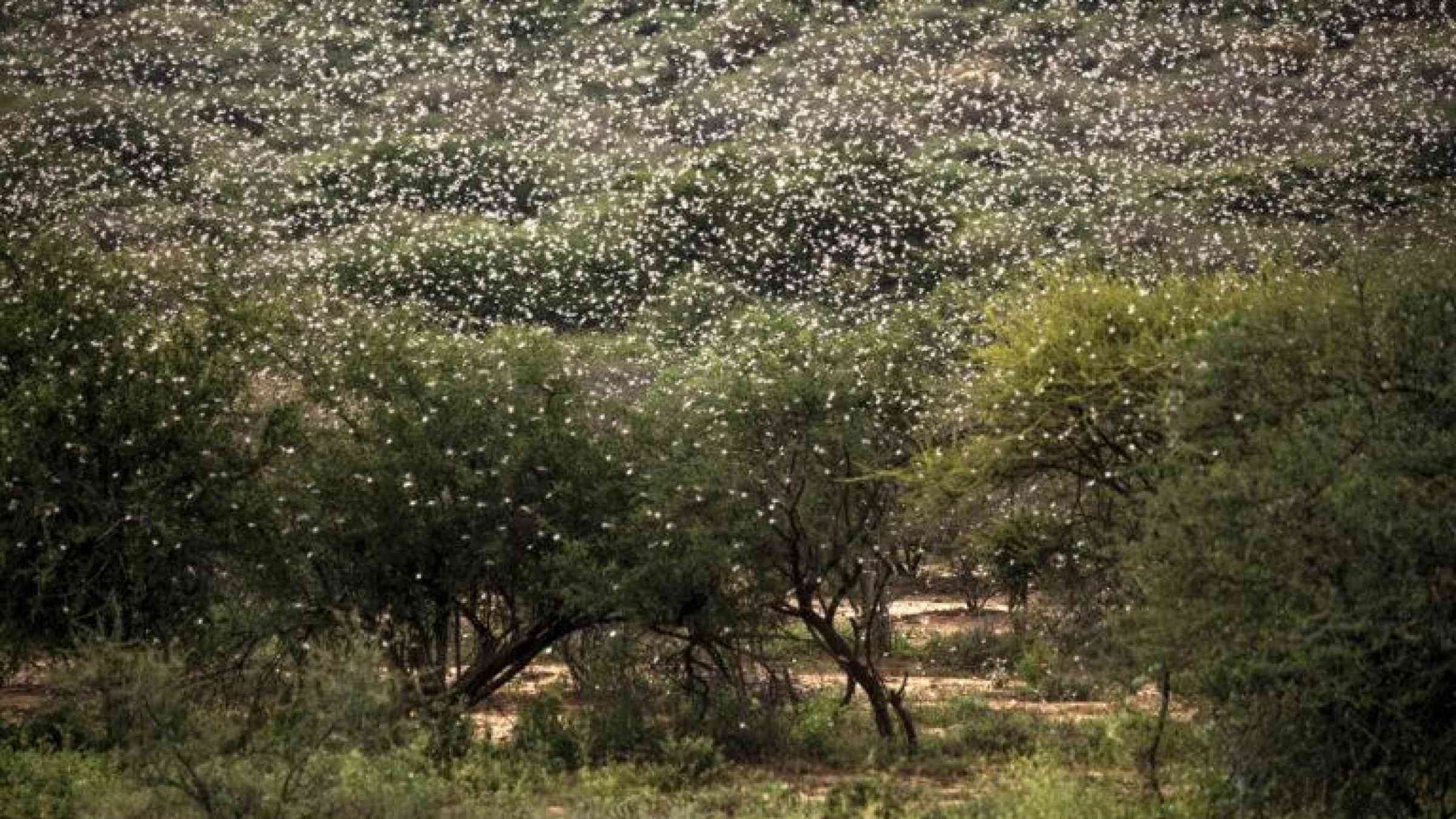
Desert locust swarm in a forested area in eastern Africa. Photo by Sven Torfinn/FAO.
Update

Climate change cited as the main reason for the proliferation of locusts that are now ranging from the horn of Africa to the Arabian Peninsula to the Indian subcontinent.

Mongabay
Update

A fearsome cyclone, other climate extremes, Covid-19 and now locust swarms – Indians may think life could hardly get worse

Climate News Network
Uploaded on