1. Home
  2. Knowledge Base | PreventionWeb
  3. Hazards

Insect infestation

An insect pest infestation is a recently detected insect pest population, including an incursion, or a sudden significant increase of an established insect, disease agents or weed population in an area leading to damage to plants in production fields, forests or natural habitats and causing substantial damage to productivity, biodiversity or natural resources (adapted from FAO, 2019).

This planting technique reduces crop losses and improves food security.

Risk factors

Higher temperature, severe and extreme weather events and drought stress can all result in reduced vigour of trees, making them more vulnerable to outbreaks of native and introduced pests and diseases. For example, the dieback of millions of hectares of pine forests caused by outbreaks of native bark beetles in Central America, Europe and North America is associated with climate change, impacts of extreme weather events, and, in some cases, inadequate forest management practices (FAO, 2020b).

Favourable climatic conditions, disruption of ecosystems and negligence of crop/forest hygiene contribute to growth in insect populations which can cause substantial damage regularly. In many cases, long distance spread of insects results from transportation of infested goods.

Risk reduction measures

Following principles of sustainable plant production, sustainable forest management and integrated pest management practices are the best approach for control, focusing on diversified production systems, regular surveillance, preparedness before potential outbreaks, and a rapid response to prevent escalation to unmanageable scales (Guzewich et al., 1997). Post disaster needs assessment (PDNA) is designed to evaluate immediate needs for recovery and restoration for better disaster response (HIP).

Latest Insect infestation additions in the Knowledge Base

Uploaded on
Research briefs

A new CABI-led study has sought to set out a framework and method for assessing the performance and responsiveness of an invasive species system.

CAB International
Update

Ces insectes constituent donc une menace pour les cultivateurs et par ricochet sur la capacité d'une population a se nourrir correctement et de façon durable. Il faut trouver des alternatives efficace pour palier cette menace.

Radio Tokpa
Locust in Yemen
Update

Yemen is a key desert locust breeding ground, where swarms develop in several locations throughout the year and then disperse across the country and region, affecting the food security and livelihoods of tens of millions of people.

World Bank, the
Update

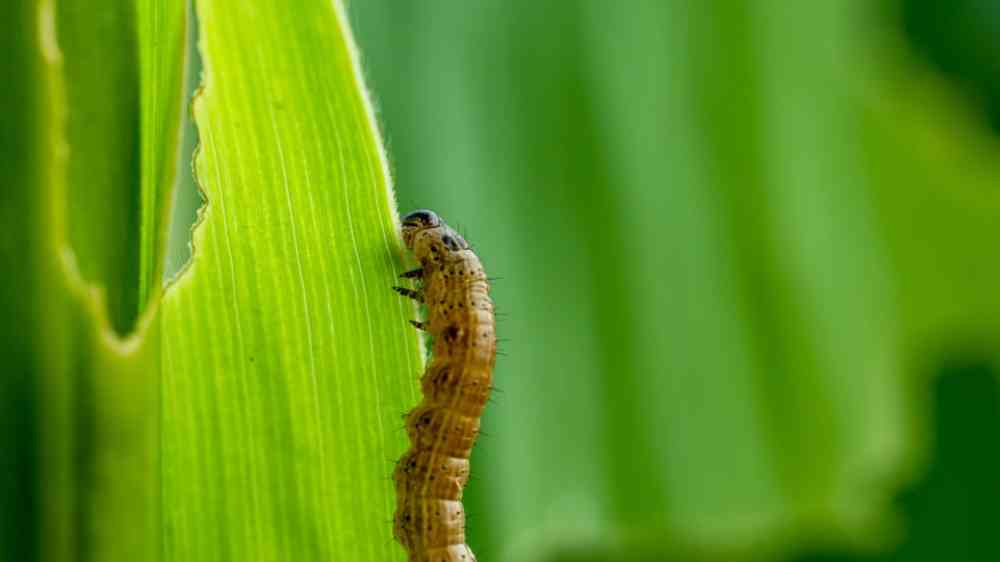
The economic costs of fall armyworm invasions are high. This year alone they have preyed upon millions of acres of crops, hayfields, lawns and turfgrass. Insecticide applications cost farmers, homeowners and businesses tens of millions of dollars.

Conversation Media Group, the
Update

Maize remains a crucial part of the food security equation in Southern Africa and other sub-regions on the continent for both human and animal consumption. Close to 90 percent of approximately 347 million people in Southern Africa are dependent on maize

Food and Agriculture Organization of the United Nations (FAO)
Cover
Documents and publications

The aim of these guidelines is to help national plant protection organizations (NPPOs) to take suitable actions at the proper time against Fall Armyworm (FAW) through timely detection to prevent or slow the spread of the pest and reduce its negative impact.

Food and Agriculture Organization of the United Nations (FAO)
Women living in refugee camps due to drought in Somalia are waiting for water distribution
Rein Paulsen
The way humanitarian aid has functioned for decades is as a response. But there is a better way to respond; a way that is more supportive of vulnerable households, more financially effective, and, more logistically efficient.
Cover
Documents and publications

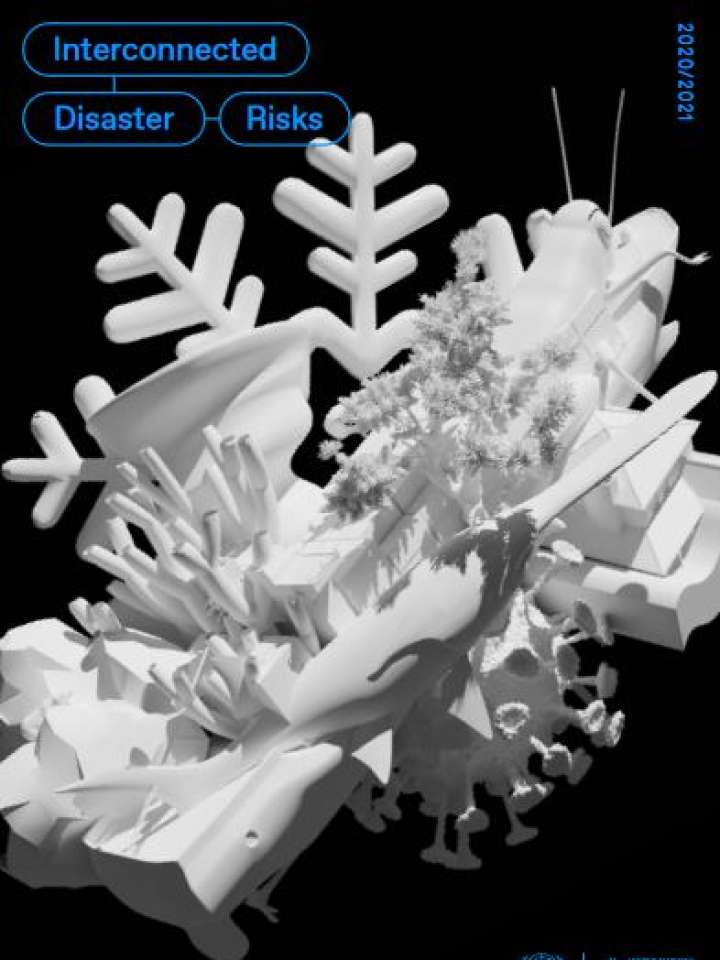
This report explains that disaster events are only the tip of the iceberg, by highlighting how these events are interconnected with each other, with other larger processes, as well as with our action or inaction.

United Nations University - Institute for Environment and Human Security (UNU-EHS)
Uploaded on