1. Home
  2. Knowledge Base | PreventionWeb
  3. Hazards

Insect infestation

An insect pest infestation is a recently detected insect pest population, including an incursion, or a sudden significant increase of an established insect, disease agents or weed population in an area leading to damage to plants in production fields, forests or natural habitats and causing substantial damage to productivity, biodiversity or natural resources (adapted from FAO, 2019).

This planting technique reduces crop losses and improves food security.

Risk factors

Higher temperature, severe and extreme weather events and drought stress can all result in reduced vigour of trees, making them more vulnerable to outbreaks of native and introduced pests and diseases. For example, the dieback of millions of hectares of pine forests caused by outbreaks of native bark beetles in Central America, Europe and North America is associated with climate change, impacts of extreme weather events, and, in some cases, inadequate forest management practices (FAO, 2020b).

Favourable climatic conditions, disruption of ecosystems and negligence of crop/forest hygiene contribute to growth in insect populations which can cause substantial damage regularly. In many cases, long distance spread of insects results from transportation of infested goods.

Risk reduction measures

Following principles of sustainable plant production, sustainable forest management and integrated pest management practices are the best approach for control, focusing on diversified production systems, regular surveillance, preparedness before potential outbreaks, and a rapid response to prevent escalation to unmanageable scales (Guzewich et al., 1997). Post disaster needs assessment (PDNA) is designed to evaluate immediate needs for recovery and restoration for better disaster response (HIP).
Latest Insect infestation additions in the Knowledge Base

Uploaded on
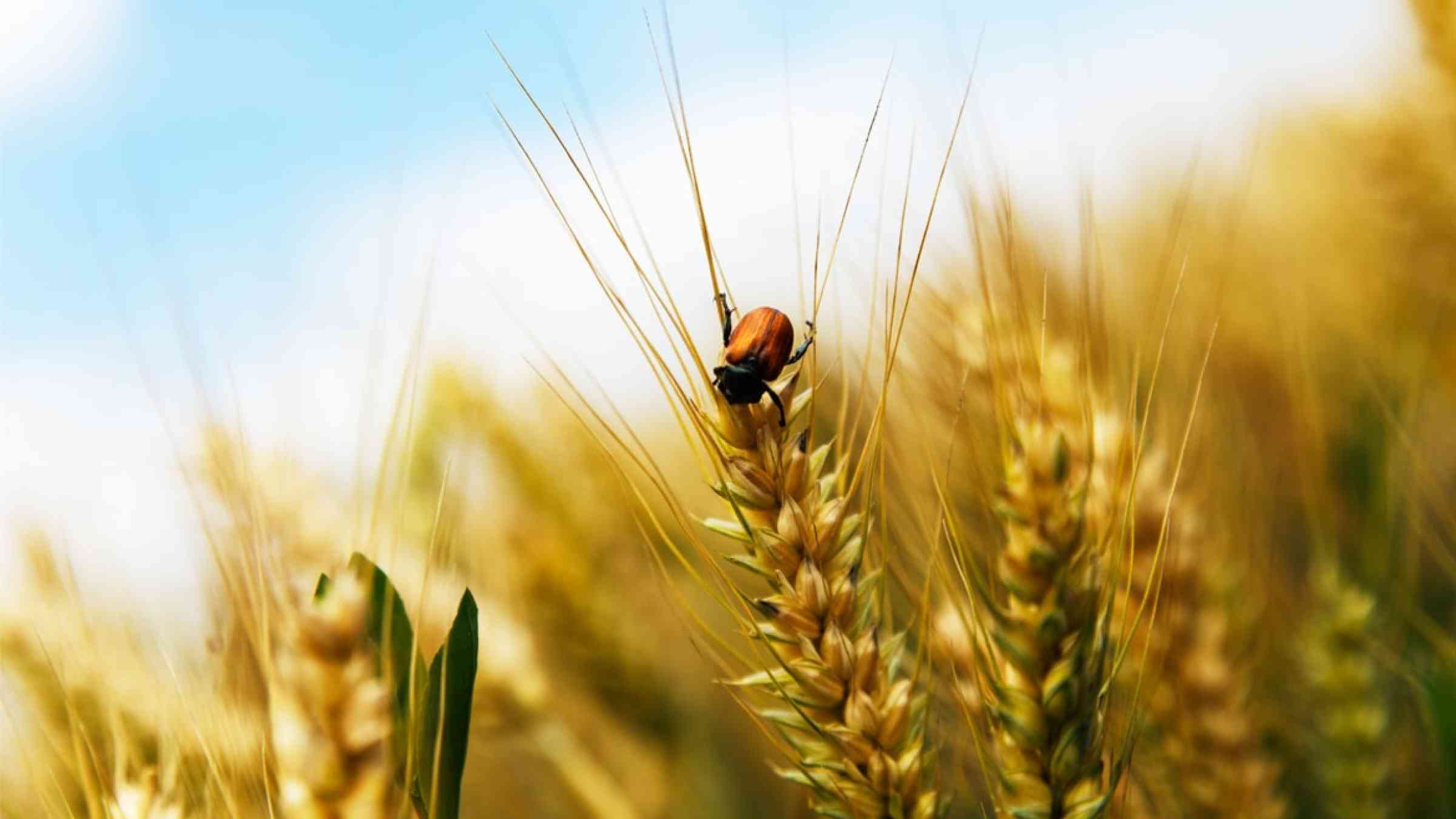
Pest in the barley
Update

A mobile phone app will support farmers across Africa to adopt environmentally friendly ways of protecting their crops from pests.

University of Leeds
Update

The Intergovernmental Authority on Development (IGAD) has signed a three year, 3 million USD grant with the World Bank to set up an Inter-Regional Platform for the Sustainable Management of Desert Locusts and other Trans-Boundary Pests.

IGAD Climate Prediction and Application Centre
Documents and publications

The paper provides additional context on COVID-19-related effects on local and regional economies and food supply chains. It also covers how the locust invasion has created “crisis within a crisis” in the surveyed province.

Asian Development Bank (ADB)
Update

The system was developed by a team of experts to meet the growing need of Risk Information due to increasing climate extremes.

IGAD Climate Prediction and Application Centre
Update

Eastern Africa has been battling the worst Desert Locust invasion in the last 70 years.

Intergovernmental Authority on Development
Update

South Sudan will benefit from two new projects totalling $116 million that aim to strengthen the capacity of farmers and restore livelihoods and food security.

World Bank, the
Update

Pests destroy up to 40 percent of global crops and cost $220 billion of losses.

Food and Agriculture Organization of the United Nations (FAO)
Documents and publications

This scientific review assesses the potential effects of climate change on plant pests and consequently on plant health. The evidence assessed strongly indicates that climate change has already expanded some pests’ host range and geographical distribution

Food and Agriculture Organization of the United Nations (FAO)
Uploaded on