1. Home
  2. Knowledge Base | PreventionWeb
  3. Hazards

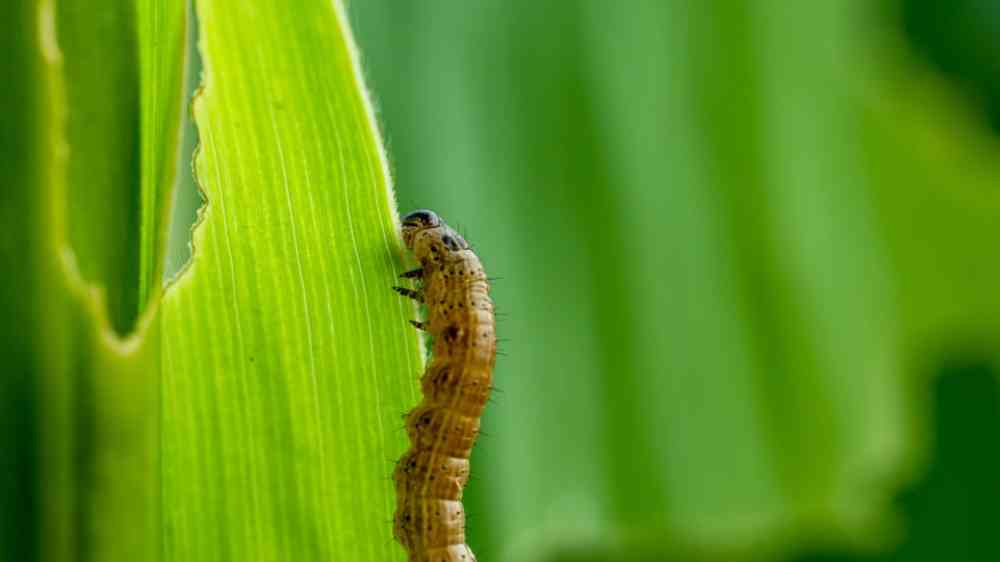
Insect infestation

An insect pest infestation is a recently detected insect pest population, including an incursion, or a sudden significant increase of an established insect, disease agents or weed population in an area leading to damage to plants in production fields, forests or natural habitats and causing substantial damage to productivity, biodiversity or natural resources (adapted from FAO, 2019).

This planting technique reduces crop losses and improves food security.

Risk factors

Higher temperature, severe and extreme weather events and drought stress can all result in reduced vigour of trees, making them more vulnerable to outbreaks of native and introduced pests and diseases. For example, the dieback of millions of hectares of pine forests caused by outbreaks of native bark beetles in Central America, Europe and North America is associated with climate change, impacts of extreme weather events, and, in some cases, inadequate forest management practices (FAO, 2020b).

Favourable climatic conditions, disruption of ecosystems and negligence of crop/forest hygiene contribute to growth in insect populations which can cause substantial damage regularly. In many cases, long distance spread of insects results from transportation of infested goods.

Risk reduction measures

Following principles of sustainable plant production, sustainable forest management and integrated pest management practices are the best approach for control, focusing on diversified production systems, regular surveillance, preparedness before potential outbreaks, and a rapid response to prevent escalation to unmanageable scales (Guzewich et al., 1997). Post disaster needs assessment (PDNA) is designed to evaluate immediate needs for recovery and restoration for better disaster response (HIP).

Latest Insect infestation additions in the Knowledge Base

Uploaded on
Update

NSW Department of Primary Industries (DPI) and North Coast Local Land Services (LLS) have urged producers to monitor crops for fall armyworm damage this autumn.

New South Wales Government
Update

Alien species can threaten the health of plants and animals, including humans. And they cause huge economic harm. Recent research puts a figure on that damage.

Conversation Media Group, the
WildlifeWorld/Shutterstock
Update

In this Q&A interview, Keith Cressman and Cyril Ferrand discuss progress made in containing the threat posed by the voracious pest in East Africa.

Food and Agriculture Organization of the United Nations (FAO)
Update

For millennia, insects and the plants they feed on have been engaged in a co-evolutionary battle: to eat or not be eaten.

Conversation Media Group, the
Update

The tool was developed in a study published in the journal Ecological Modeling, by researchers from HUJI and the MIGAL Galilee Research Institute in northern Israel.

Xinhua News Agency
Update

Every year, up to 40 percent of global crop production - worth over $200 billion - is lost to plant pests and diseases.

Food and Agriculture Organization of the United Nations (FAO)
CABI
Research briefs

CABI led the study exploring the income and food security effects of the fall armyworm in Zimbabwe, where affected households are 12% more likely to experience hunger.

CAB International
EurekAlert
Update

The locust plagues are linked to powerful recent cyclones in the fast-warming western Indian Ocean, creating ideal conditions for desert locusts to breed and spread.

Global Landscapes Forum
Uploaded on